
Many silicone bras are discarded too early due to loss of stickiness or hygiene concerns. In most cases, the issue is not the product concept, but material quality and post-use handling.
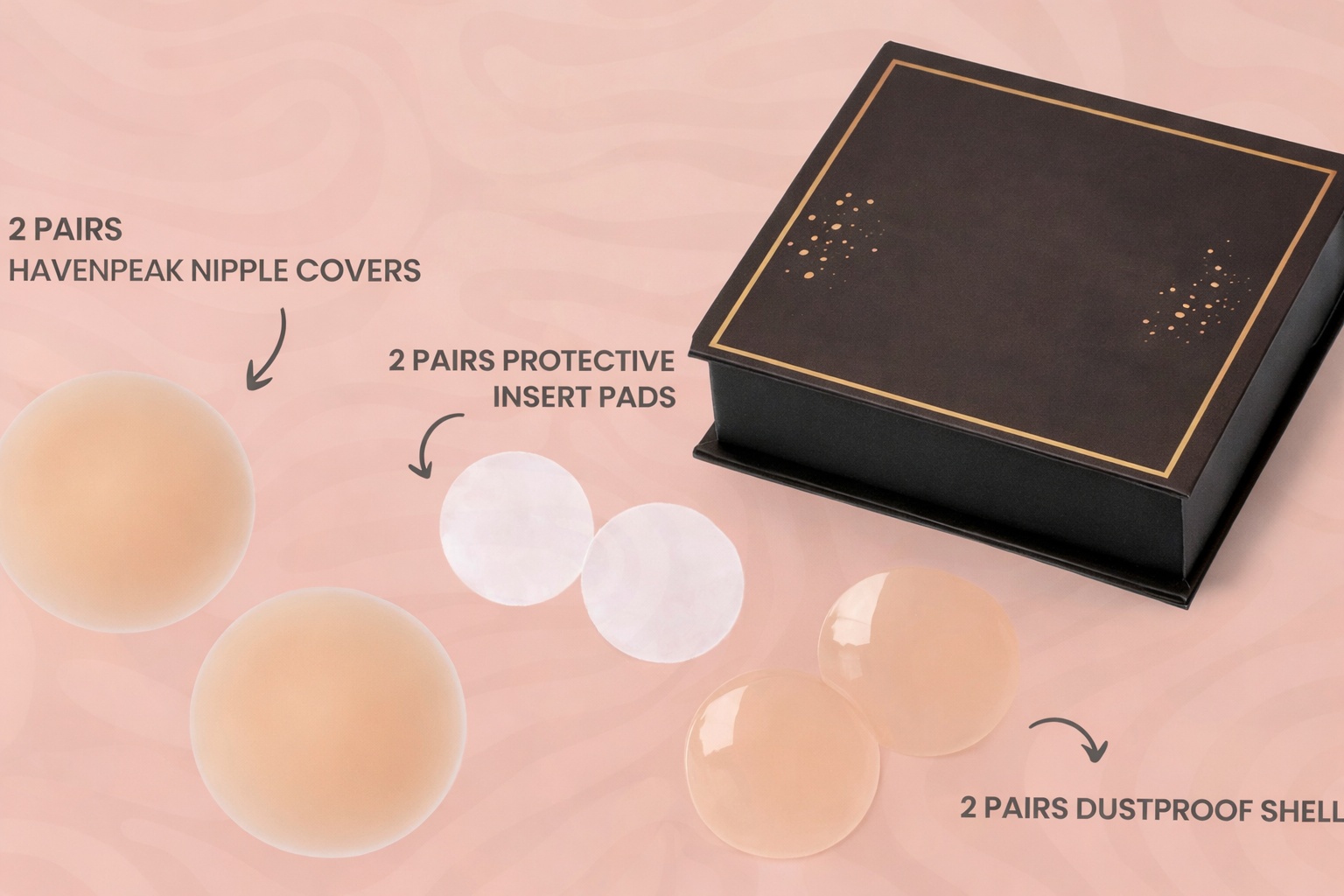
Yes, a silicone bra is reusable when manufactured with high-grade silicone, washable pressure-sensitive adhesive, and controlled production processes designed for repeated wear.
Reusability is not a surface feature. It is an engineered outcome determined during material selection, adhesive formulation, and factory-level testing. Understanding how reusability is built helps explain why some silicone bras last for dozens of wears while others fail quickly.
What makes a silicone bra reusable?
Not all silicone bras are designed for multiple uses.
Reusable silicone bras depend on stable silicone structure and adhesive systems that recover tackiness after cleaning.
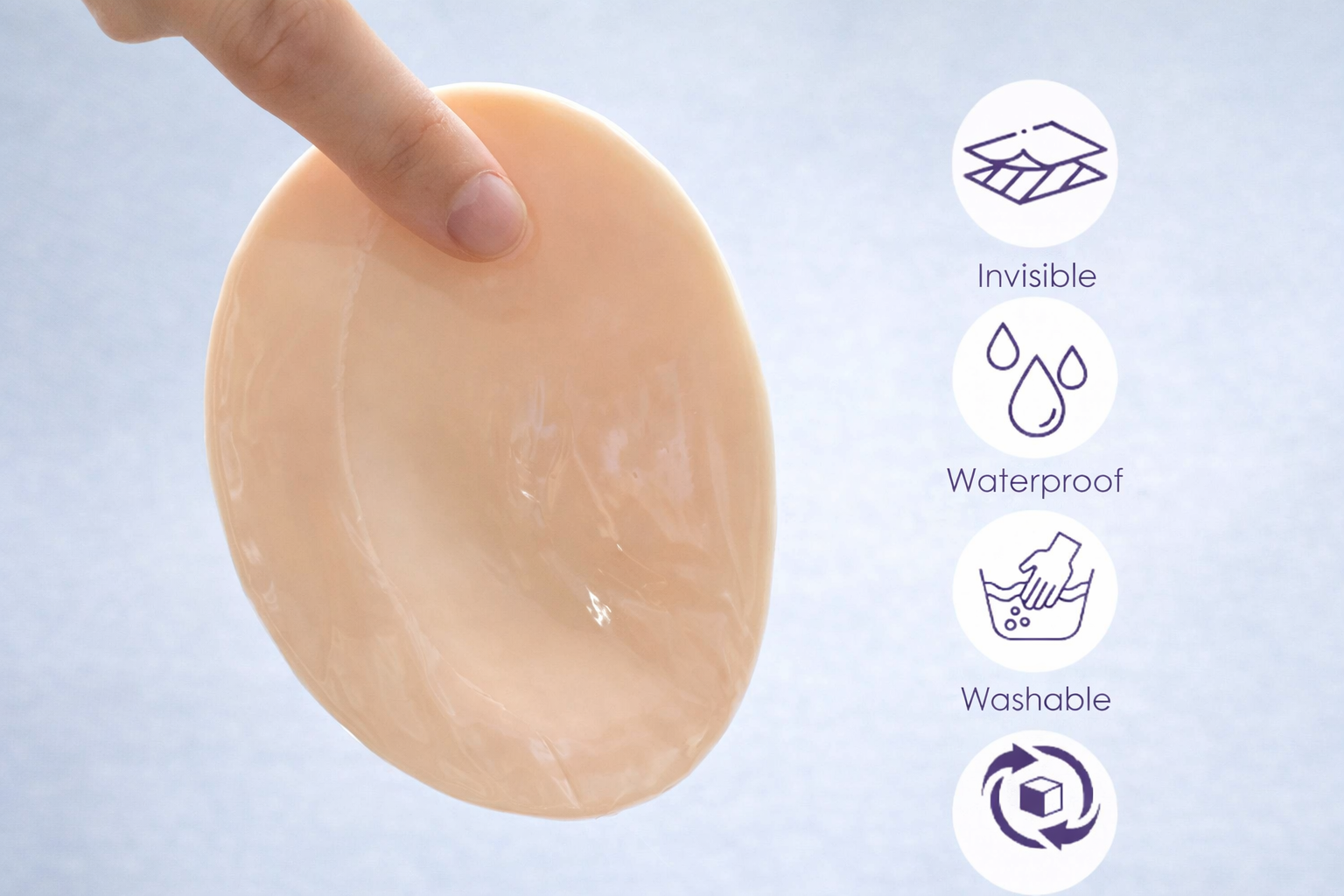
Reusable silicone bras are produced using platinum-cured silicone, chosen for its elasticity, durability, and resistance to deformation. This type of silicone maintains shape after repeated stretching and washing, unlike lower-grade alternatives that harden or warp.
The adhesive layer is equally important. Washable pressure-sensitive adhesives are engineered to release skin oils and contaminants when rinsed with water. Once air-dried, the adhesive regains its original tackiness without additional chemicals.
In manufacturing, adhesive bonding methods are critical. Advanced processes integrate the adhesive directly onto the silicone surface rather than applying it as a superficial layer. This prevents peeling, cracking, or uneven wear after repeated use.
Reusability is verified through wash-and-wear simulations during development. Products that fail to recover adhesion consistently are rejected before mass production.
How many times can a silicone bra typically be reused?
Reuse limits vary based on engineering quality.
Most well-made silicone bras are designed for approximately 20–50 uses under proper care conditions.
Reuse ratings are established through internal testing rather than assumptions. During testing, silicone bras are applied, worn, removed, washed, air-dried, and reapplied repeatedly until adhesion performance declines below acceptable standards.
High-quality adhesives maintain stable peel strength across many cycles. Adhesive recovery after each wash is a key indicator of long-term usability.
Silicone integrity also affects reuse count. Smooth, stable silicone surfaces allow adhesive to bond evenly after each cleaning. Inferior silicone develops micro-textures or stiffness that interferes with adhesion recovery.
Factories with in-house testing capabilities publish realistic reuse ranges based on data rather than marketing claims. Actual lifespan depends on usage environment and aftercare discipline.
Does washing affect reusability?
Cleaning is essential, not optional.
Proper washing restores adhesive performance and extends the usable life of a silicone bra.
After each use, adhesive surfaces accumulate skin oils, sweat, and microscopic debris. These contaminants block surface contact and reduce adhesion strength during the next wear.
Reusable silicone bras are designed to be gently rinsed with clean water or mild soap. This process removes oils without damaging adhesive polymers. Harsh detergents, alcohol, or brushes degrade adhesive structure and shorten lifespan.
Air drying is required for adhesive recovery. Pressure-sensitive adhesives regain tackiness as moisture evaporates naturally. Heat or sunlight accelerates degradation and reduces reuse cycles.
In factory testing, adhesives are evaluated for recovery behavior after repeated washing. Only formulations that consistently regain adhesion are approved for reusable designs.
How does storage influence reusability?
Storage protects adhesive integrity.
Proper storage prevents contamination, deformation, and premature adhesive degradation.
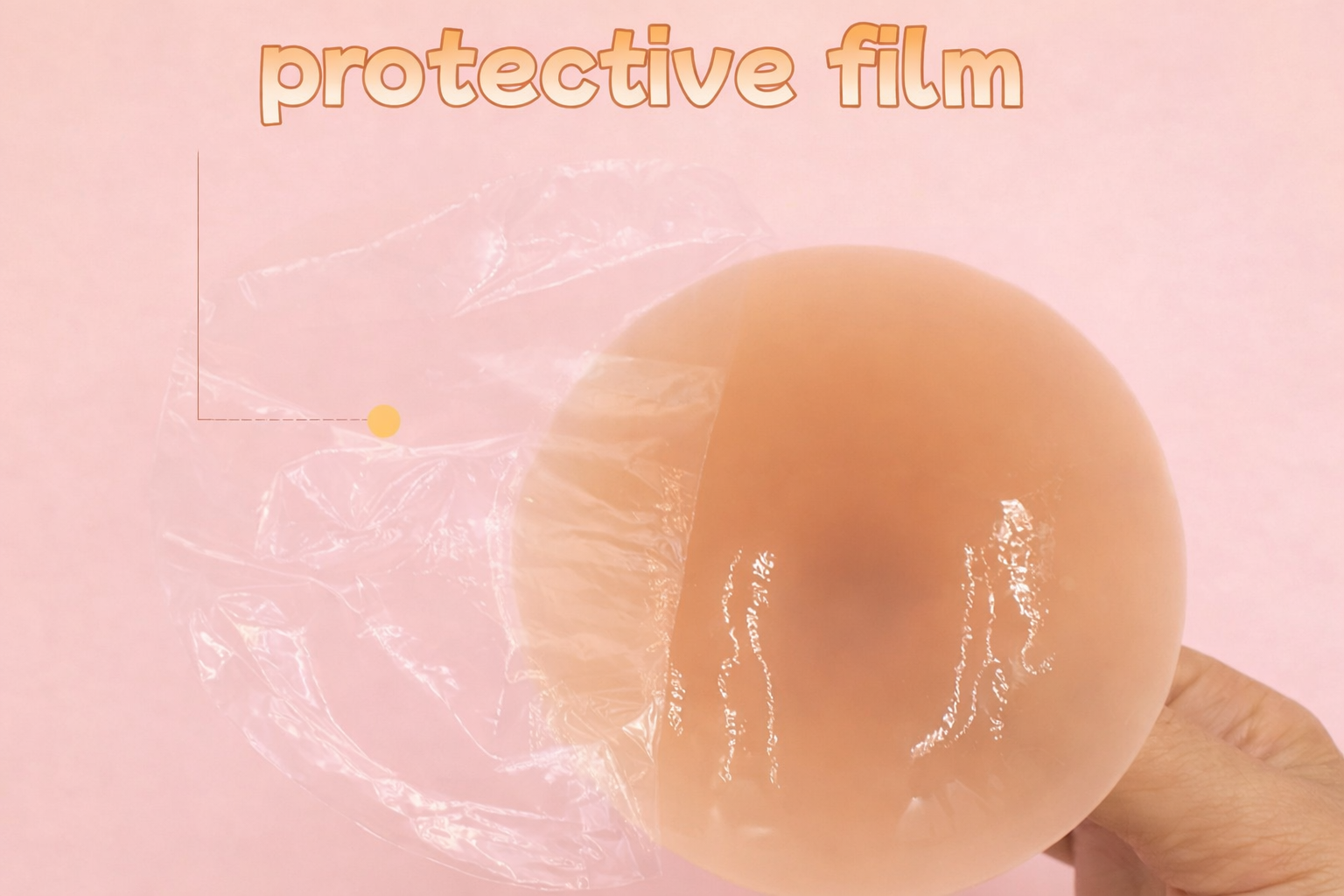
After drying, reusable silicone bras should be covered with the original release film. This film protects adhesive surfaces from dust, fibers, and oxidation.
Improper storage exposes adhesive to airborne particles that cannot be fully removed during washing. This contamination permanently reduces stickiness and shortens usable life.
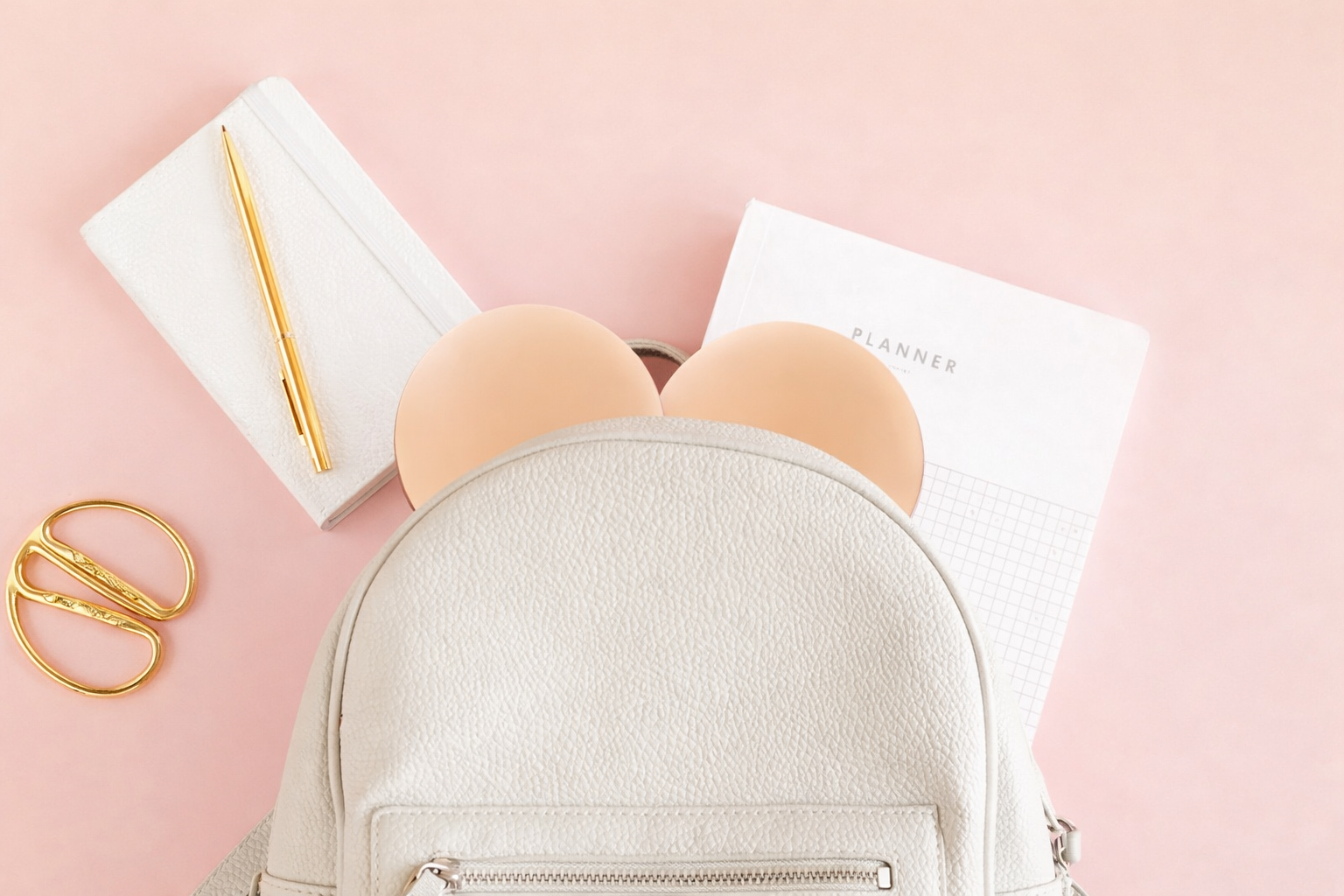
Silicone bras should be stored flat or in shaped cases to prevent deformation. Folding or compressing the cups introduces creases that affect fit and adhesion.
Factories store finished products under controlled temperature and humidity to preserve material stability. Similar conditions during long-term storage help maintain factory-level performance.
How do factory processes ensure reusability?
Reusability is built during production.
Precision molding, controlled curing, and automated adhesive coating ensure silicone bras withstand repeated use.
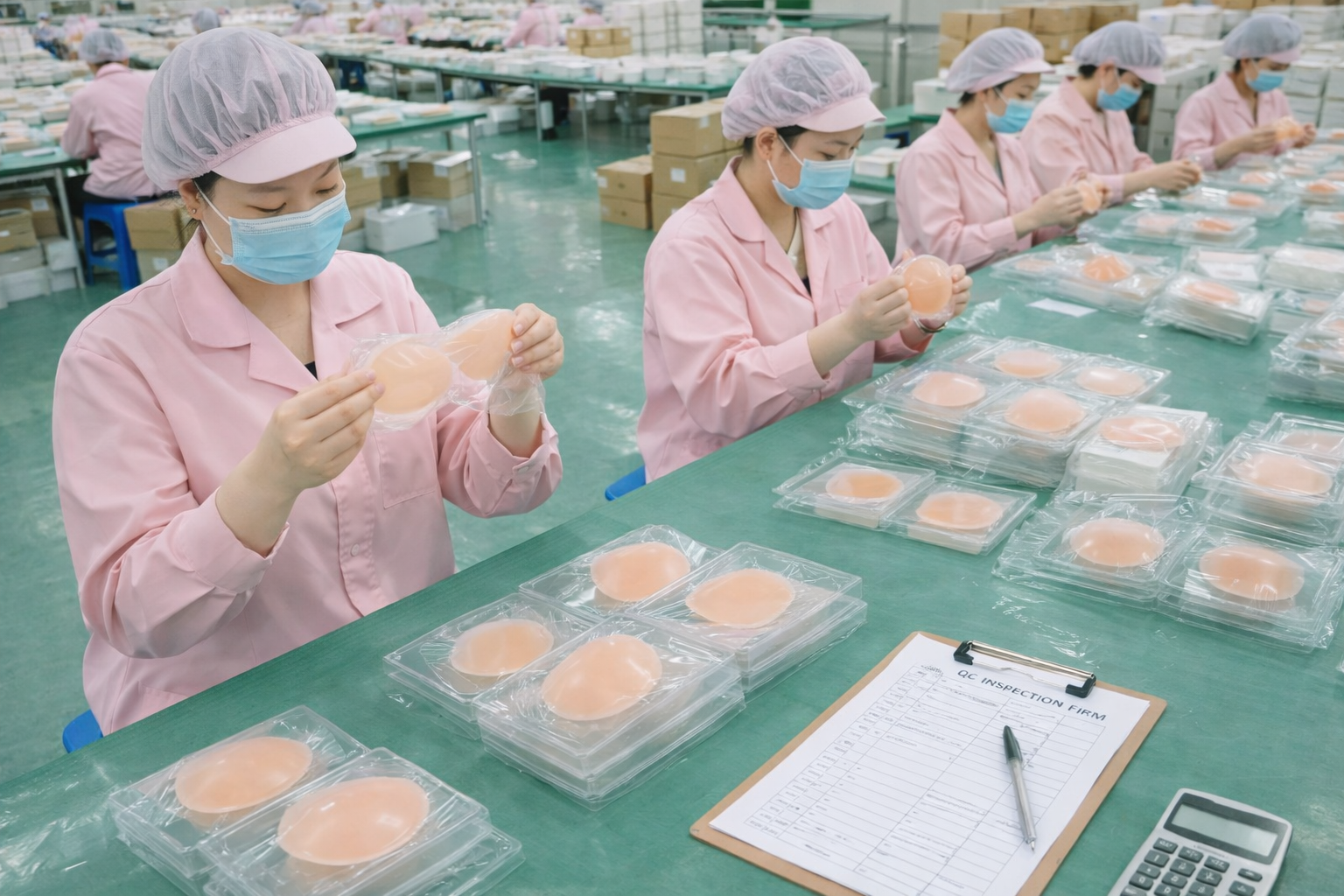
Manufacturing workshops are divided into zones for silicone preparation, molding, curing, adhesive coating, assembly, and inspection. Each stage affects long-term durability.
Precision molds create consistent thickness and smooth surfaces. Even thickness prevents stress concentration that leads to tearing or deformation after repeated wear.
Post-curing stabilizes silicone elasticity and removes residual compounds that could affect adhesive bonding or skin comfort.
Adhesive coating lines use automated systems to control layer thickness precisely. Consistency ensures predictable adhesion recovery across reuse cycles.
Quality inspection includes wash-cycle simulations, adhesion testing, tensile testing, and visual checks. Products that fail reusability standards are removed before packaging.
Why do some silicone bras stop working after a few uses?
Early failure reflects poor engineering.
Short lifespan usually results from low-grade silicone, unstable adhesive, or inadequate process control.
Low-cost products often prioritize initial stickiness over long-term stability. These adhesives feel strong at first but degrade rapidly when exposed to sweat and washing.
Inferior silicone formulations stiffen or deform, preventing adhesive from making uniform contact after reuse.
Without controlled curing and coating processes, batch consistency suffers. Products may perform well as samples but fail during repeated use.
Reusable silicone bras require system-level engineering rather than surface-level features.
Conclusion
A silicone bra is reusable when designed with durable silicone materials, washable pressure-sensitive adhesive, and disciplined factory processes. Typical reuse ranges from 20 to 50 wears when cleaning, drying, and storage align with engineering intent. Reusability is not accidental; it is the result of material science, adhesive recovery behavior, and controlled manufacturing. When these elements work together, silicone bras deliver reliable performance across repeated use rather than short-term convenience.
