
Many silicone bras fail not because of shape or size, but because of adhesive problems. Weak stickiness, skin irritation, residue, or short lifespan usually trace back to the wrong adhesive choice.
Silicone bras typically use skin-safe, pressure-sensitive adhesives engineered to bond with clean skin through body heat, offering secure hold while allowing gentle removal and reuse.
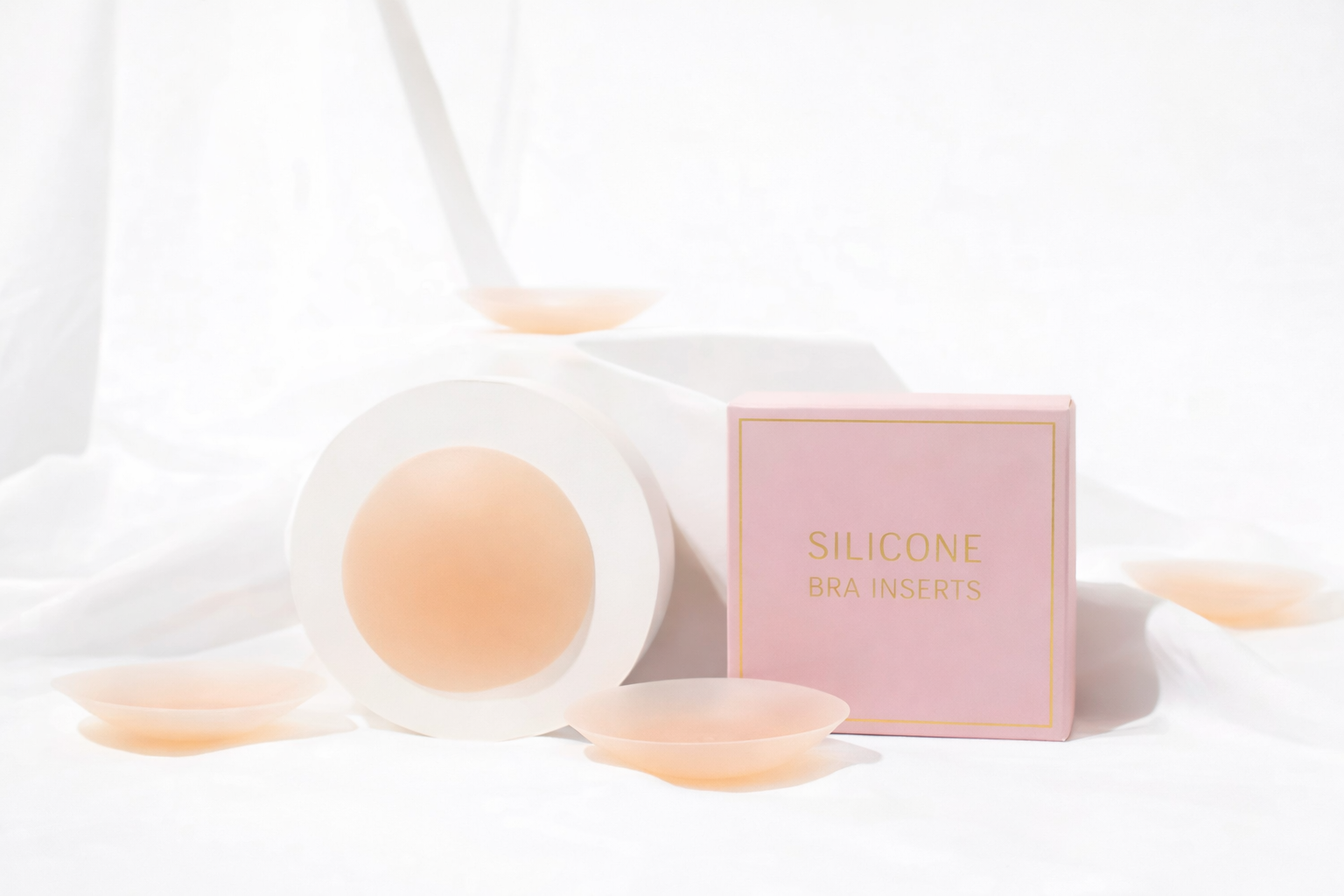
Adhesive is the core technology behind silicone bras. It determines whether the product feels secure or uncomfortable, reusable or disposable. Understanding how adhesive works requires looking at chemistry, application methods, and factory-level process control.
What type of adhesive is commonly used in silicone bras?
Not all adhesives are suitable for skin contact. Many industrial adhesives are unsafe for wearables.
Silicone bras use medical-grade or cosmetic-grade pressure-sensitive adhesives specifically formulated for prolonged skin contact.
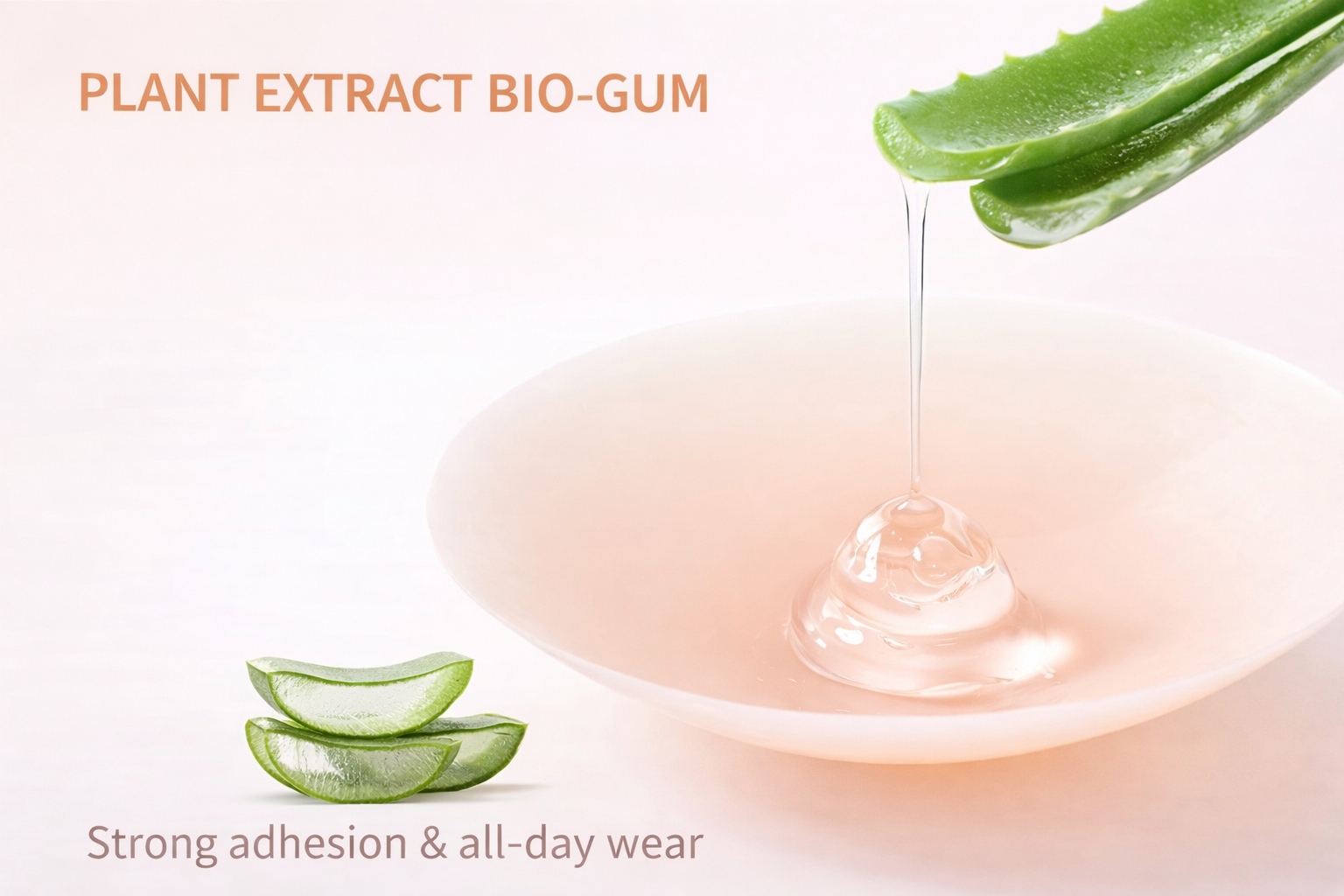
The most widely used adhesive in silicone bras is a pressure-sensitive adhesive (PSA). This type of adhesive does not require heat, water, or chemical activation. It bonds when light pressure is applied, making it ideal for wearable products.
These adhesives are designed to remain tacky at room and body temperature. They create adhesion through surface contact rather than chemical reaction with skin, which helps reduce irritation risk.
In manufacturing, adhesive raw materials are sourced from suppliers specializing in skin-contact formulations. Viscosity, elasticity, and peel strength are carefully controlled to ensure predictable performance. Adhesives that are too soft may migrate, while overly firm adhesives may cause discomfort.
This balance is achieved through formulation tuning and curing control, not through thickness alone.
Is the adhesive used in silicone bras safe for skin?
Safety concerns are common, especially for products worn directly on sensitive areas.
High-quality silicone bra adhesives are hypoallergenic, non-toxic, and designed to minimize skin irritation when used correctly.
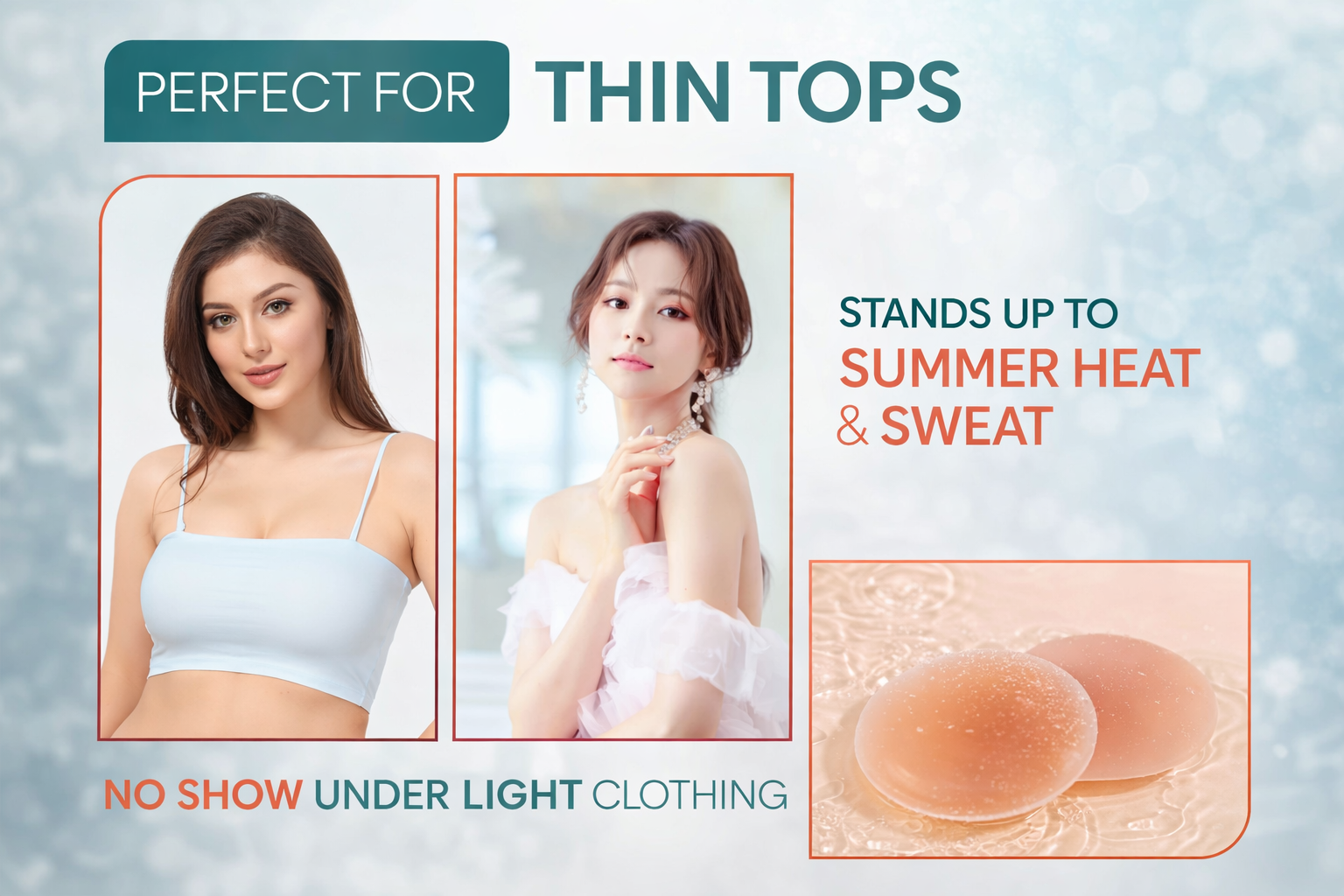
Skin-safe adhesives are tested to ensure they do not contain harsh solvents, latex, or reactive chemicals. These adhesives are biologically inert, meaning they do not interact with skin tissue.
In professional manufacturing environments, adhesives undergo stability and skin-compatibility evaluations. These tests examine how the adhesive behaves under heat, sweat, friction, and repeated wear.
Improper curing is a major risk factor. Adhesives that are rushed through production may retain volatile components, increasing irritation potential. Controlled curing times allow adhesive chemistry to stabilize fully.
Clean production environments also matter. Dust or oil contamination during adhesive application can compromise safety and performance. Dedicated coating zones help prevent these issues.
How is adhesive applied during production?
Adhesive performance depends heavily on how it is applied, not just what is used.
Adhesive for silicone bras is applied using automated coating processes to ensure uniform thickness and consistent adhesion strength.
In modern factories, adhesive application is handled by automated coating machines rather than manual brushing. Automation ensures even distribution across the silicone surface, eliminating weak spots and over-adhesive areas.
Thickness control is critical. A layer that is too thin loses grip quickly. A layer that is too thick may feel sticky, collect debris, or leave residue. Coating parameters are adjusted at micrometer levels to achieve optimal balance.
After coating, adhesive layers undergo curing or aging processes. This allows adhesive polymers to stabilize before assembly. Premature handling can damage adhesive structure.
Protective release films are applied immediately after curing. These films preserve tackiness, prevent contamination, and extend shelf life during storage and transportation.
How does adhesive support reusability?
Reusability is one of the main advantages of silicone bras, but only if the adhesive is engineered correctly.
Reusable silicone bras use washable pressure-sensitive adhesives that recover tackiness after drying.
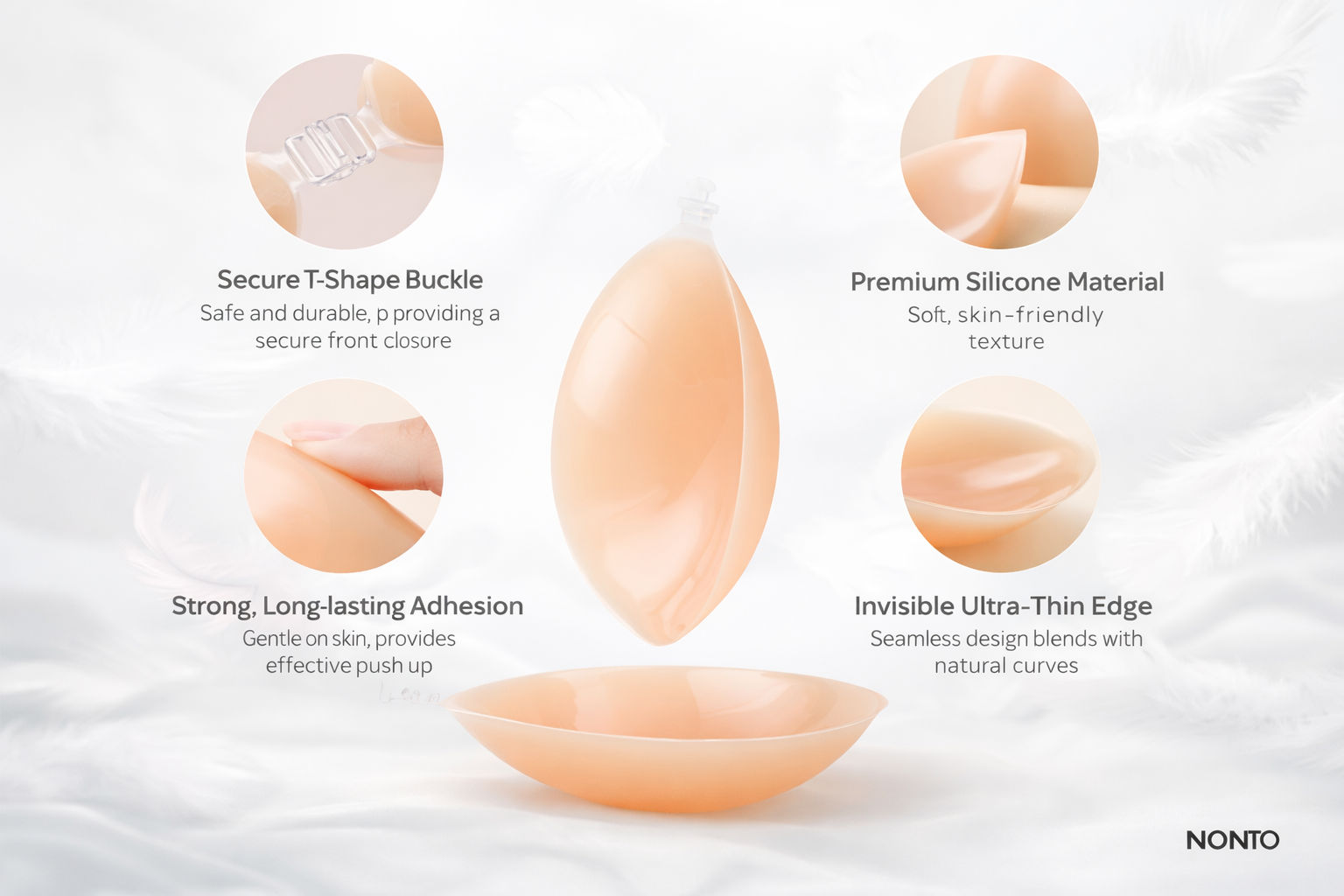
Reusable adhesives are designed to release oils and debris when rinsed with water. Once air-dried, the adhesive regains its original tackiness. This behavior is achieved through polymer structure rather than added chemicals.
In production testing, wash-cycle simulations are performed. Products are washed, dried, and reapplied repeatedly to measure adhesion loss. High-quality adhesives maintain stable performance across many cycles.
Adhesive bonding to silicone is another key factor. Advanced production methods integrate adhesive directly onto the silicone surface, reducing delamination or peeling over time.
Edge integrity also matters. Proper trimming and smooth transitions prevent adhesive edges from lifting during repeated use.
How do factory processes affect adhesive performance?
Adhesive reliability is built on process discipline.
Controlled factory conditions ensure adhesive stability through precise temperature, humidity, and handling control.
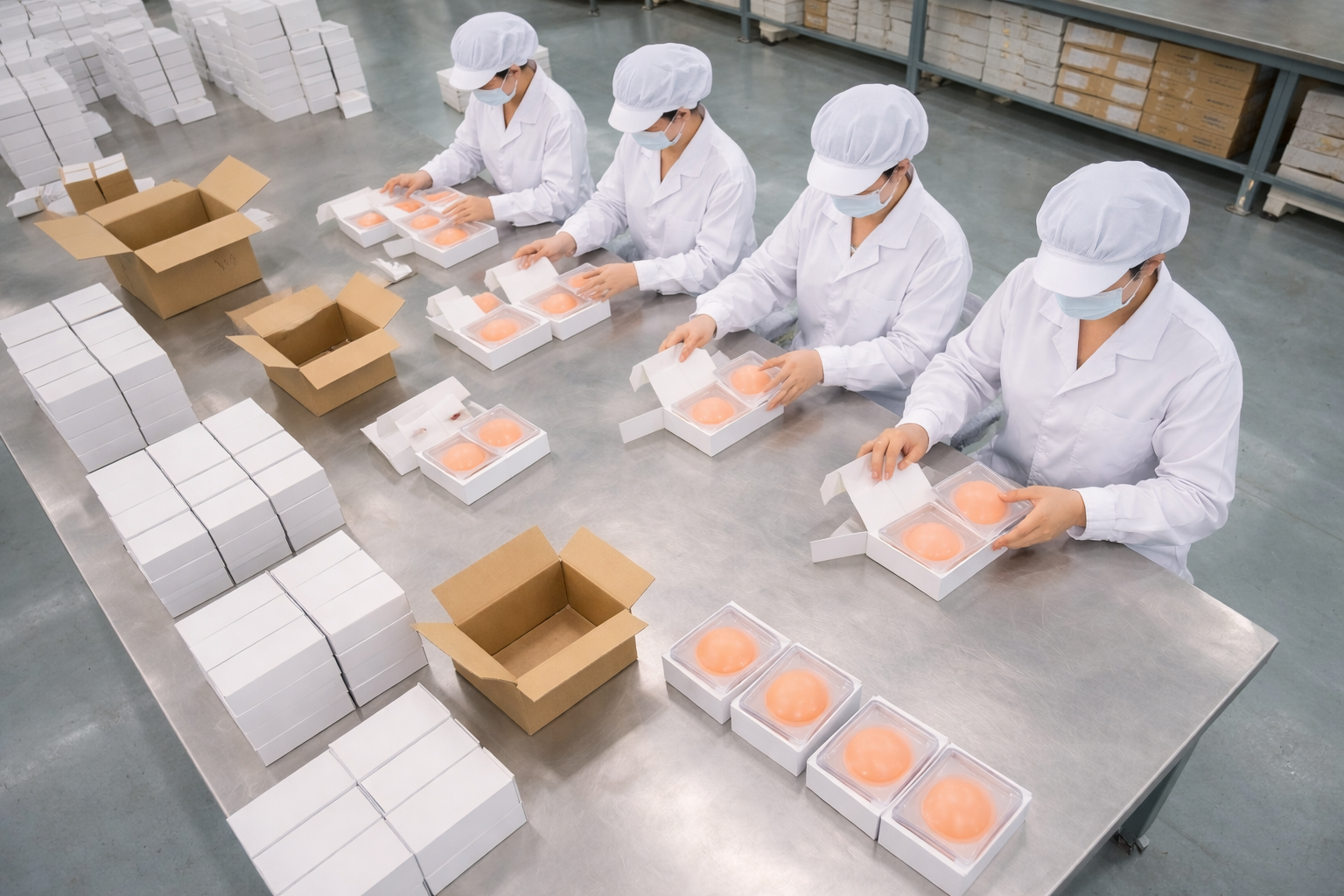
Adhesive behavior is sensitive to environmental conditions. Temperature fluctuations can alter viscosity, while humidity affects curing speed. Professional workshops maintain stable conditions during coating and curing.
Adhesive storage is equally important. Raw adhesive materials are sealed and stored under specific conditions to prevent degradation before use.
Quality inspection includes peel strength testing, visual checks, and contamination screening. Adhesive surfaces are examined for bubbles, streaks, or foreign particles.
Batch traceability allows process adjustments if performance issues arise. This systematic approach ensures consistency between samples and mass production.
Why does adhesive quality vary between silicone bras?
Market differences reflect technical depth.
Adhesive quality varies due to differences in formulation, application precision, curing control, and quality inspection standards.
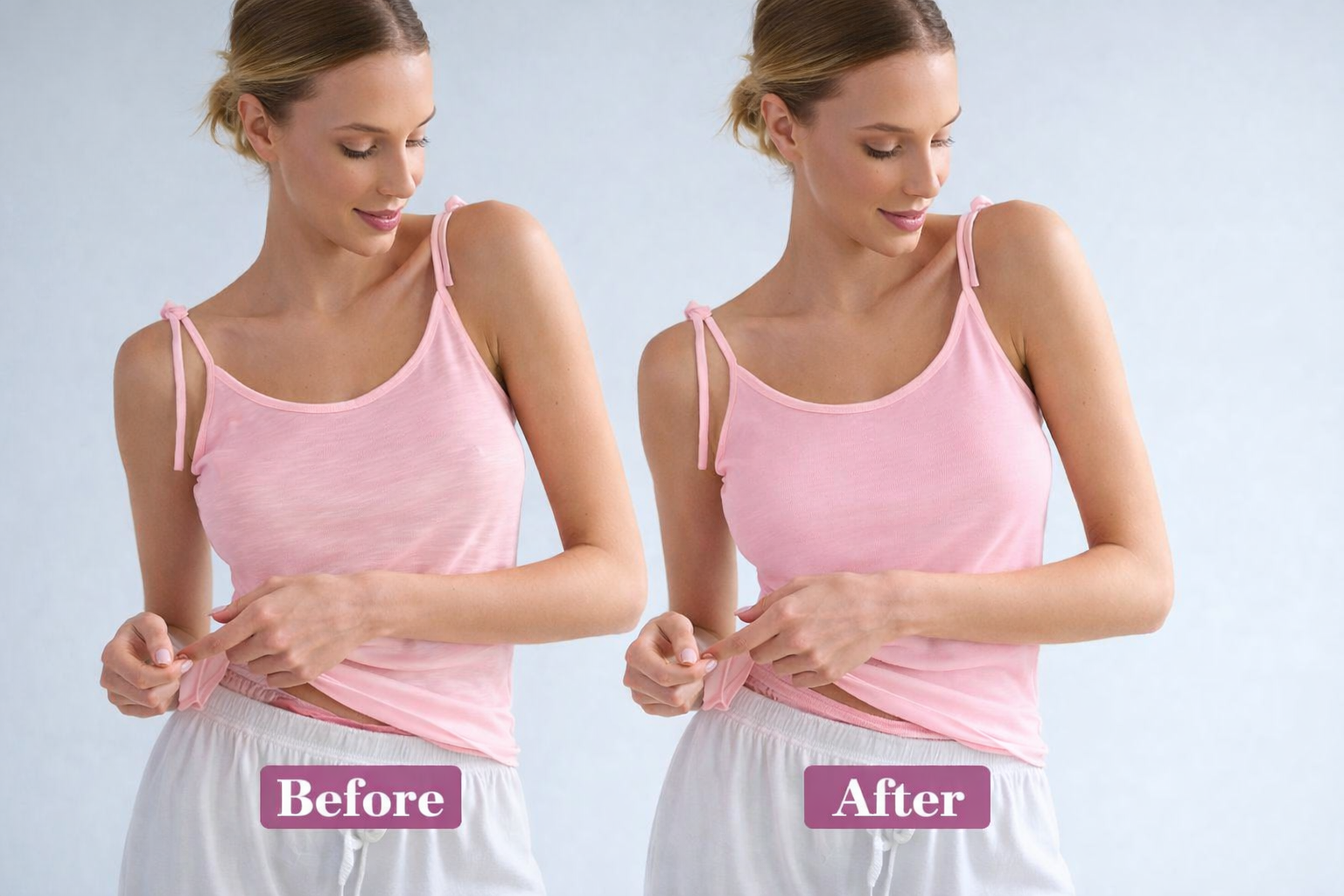
Some products rely on generic adhesives not optimized for skin contact. These may offer short-term stickiness but degrade quickly or cause irritation.
Manufacturers with in-house development capabilities can fine-tune adhesive properties based on usage scenarios. Adjustments to tack, elasticity, and peel strength allow better comfort and durability.
Documentation and testing enable continuous improvement. When feedback indicates adhesive failure, root causes can be traced to formulation, coating thickness, or curing conditions.
Adhesive is not a minor component. It is a core functional layer that defines whether a silicone bra succeeds or fails.
Conclusion
Silicone bras use skin-safe, pressure-sensitive adhesives engineered for comfort, security, and reusability. Adhesive performance depends on formulation, precise application, controlled curing, and disciplined factory processes. When these elements work together, the adhesive delivers stable hold, clean removal, and long-term reliability, turning silicone bras into functional, wearable support solutions rather than disposable accessories.
