Day: 24 3 月, 2026

Everyone Knows the Benefits of Working With an OEM/ODM Plant to Produce High-Quality Nipple Covers, but How Do You Choose a Good Factory?

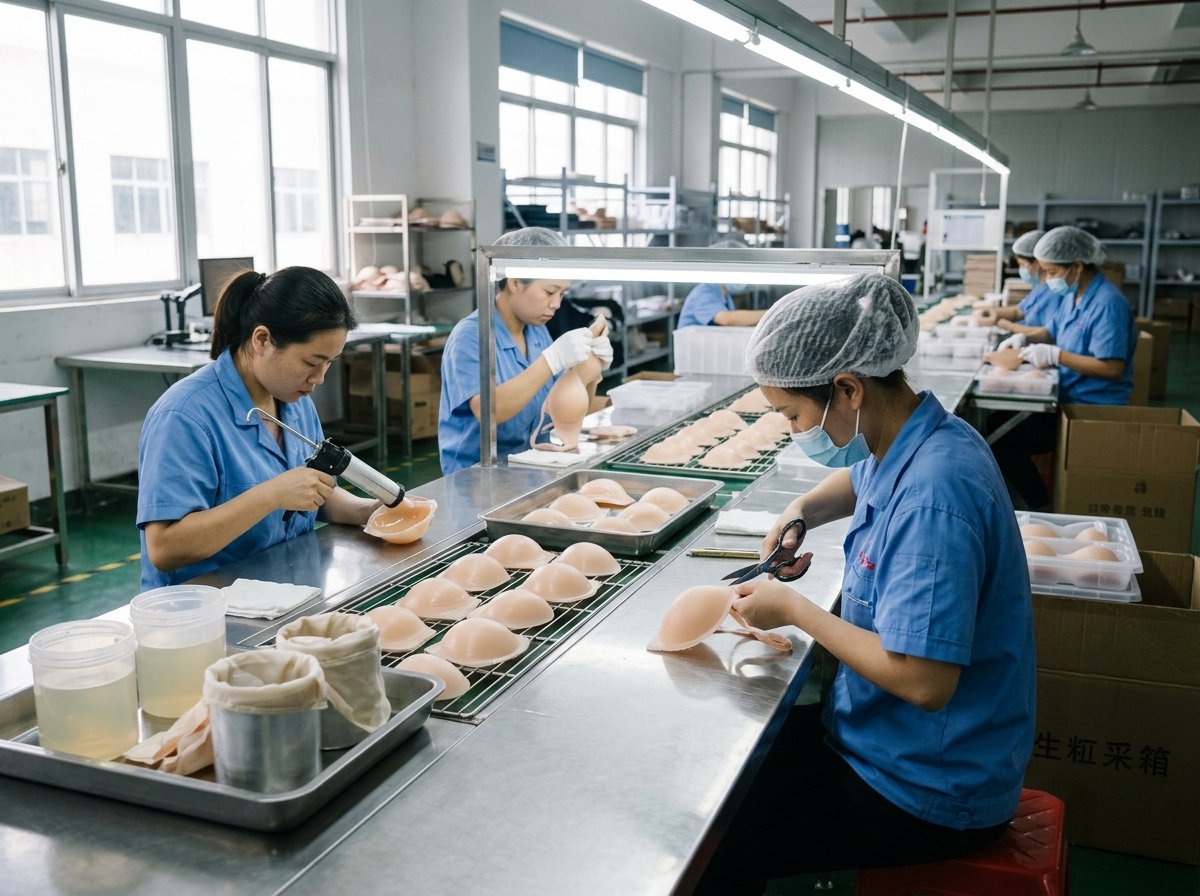
A nipple cover factory can look professional online, yet poor adhesive, weak skin safety control, and unstable quality still cause returns, complaints, and lost repeat orders. A good nipple cover factory is not judged by low price alone. It is judged by adhesive stability, skin-friendly materials, consistent shaping, accurate customization support, and the ability to turn samples into reliable bulk production. Many buyers already understand why OEM and ODM cooperation matters. It helps build a private label line faster. It makes packaging customization easier. It gives more control over price and positioning. Still, the hardest part is not deciding to work with a factory. The hardest part is choosing the right one. This matters even more in nipple covers because the product touches skin directly. A small defect does not stay small. If the adhesive feels too aggressive, users complain about pain. If the surface traps sweat, users complain about itching or rash. If the edge is too thick
OEM/ODM Seamless Bonded Lingerie: What They Are, Where They Fit, and How Fast You Can Scale?

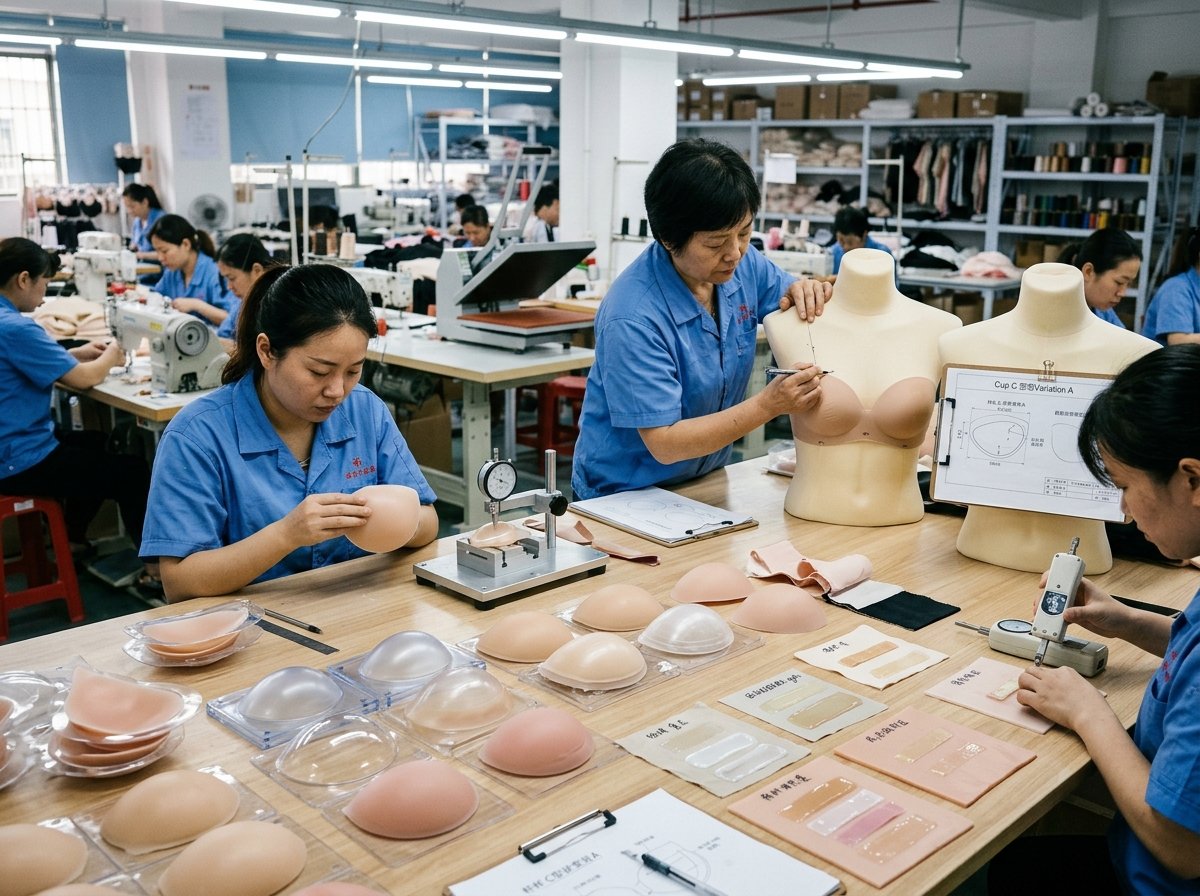
Many seamless bonded lingerie projects look easy on the surface. Then fit drifts, bonded edges fail, support feels weak, and launch timing starts to slow down. OEM/ODM seamless bonded lingerie combines clean construction, light support, and modern comfort through heat bonding, lamination, and molded shaping. The fastest scalable projects come from factories that control design, R&D, sampling, production, and QC in one system. Seamless bonded lingerie has moved far beyond a simple “no visible seam” story. In practical product development, it sits at the intersection of comfort, appearance, light structure, and apparel compatibility. That is exactly why the category is attractive for fashion brands, underwear labels, retailers, and sourcing teams that want modern products with cleaner silhouettes and faster shelf appeal. At the same time, this category also creates a different set of factory-side challenges. A bonded bra or bonded brief may look minimal, but the manufacturing logic

Quality Control for Adhesive Bra and Accessories?

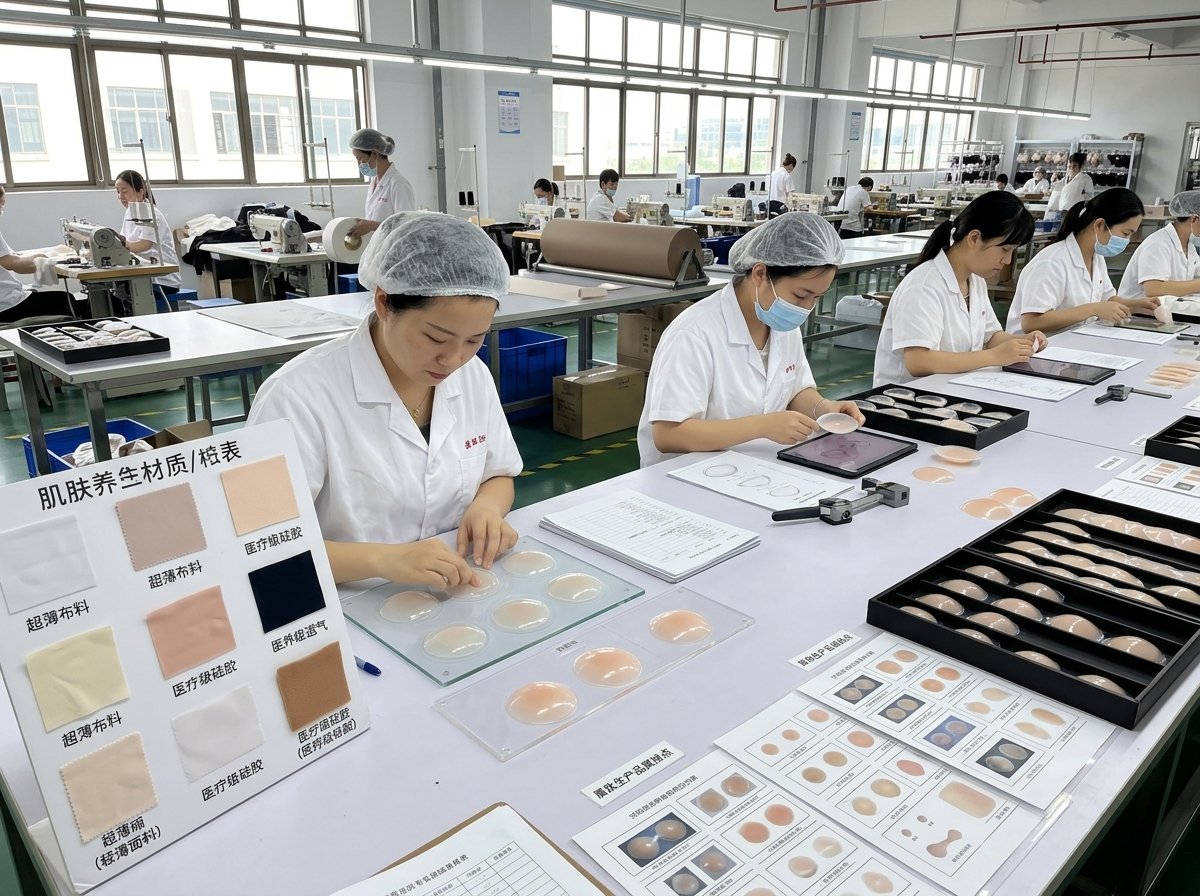
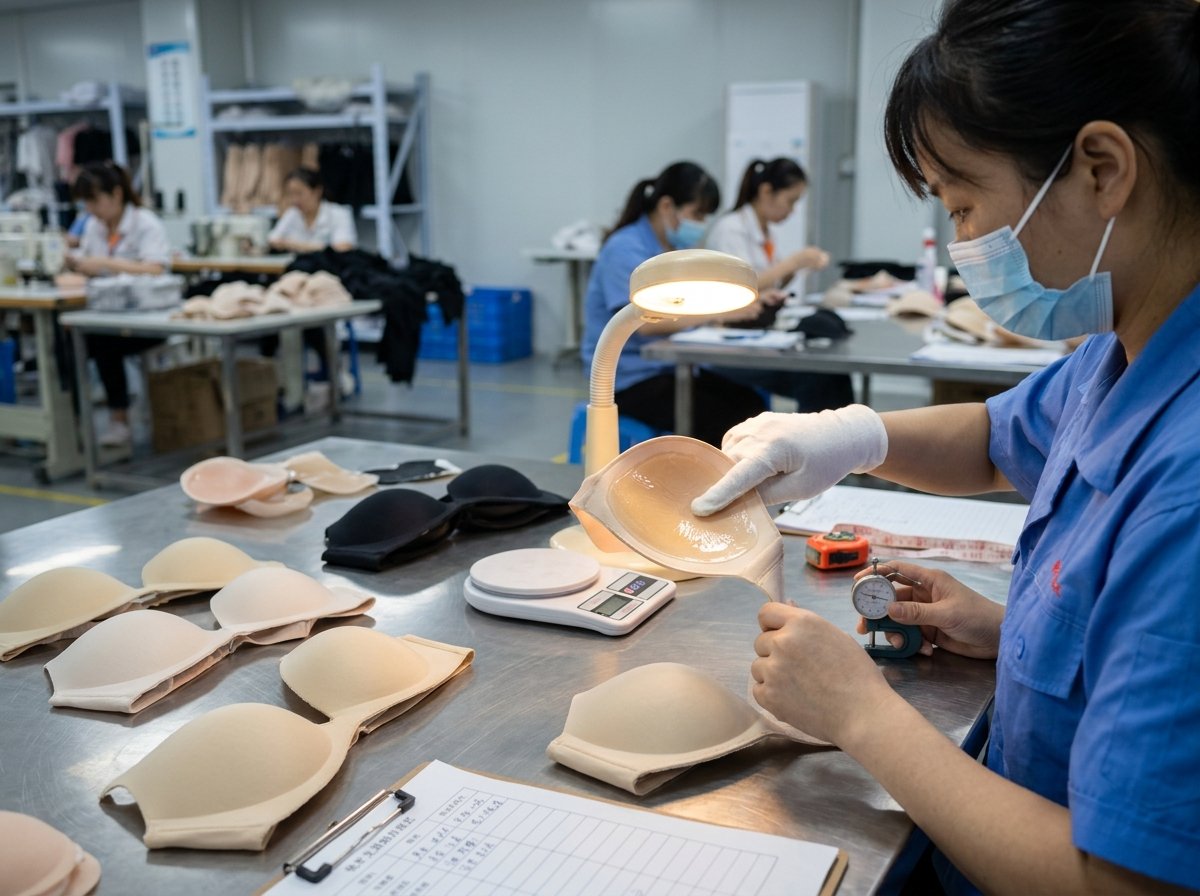
Adhesive bra quality fails in the same few ways again and again: weak stickiness, painful removal, fake lift, wrong sizing, visible edges, and bulk orders that do not match the sample. Quality control for adhesive bra products must focus on adhesive stability, skin-contact safety, fit consistency, edge finishing, durability, and packaging accuracy. Strong factory QC reduces falling off, irritation, poor shaping, size mismatch, and repeat complaints across Amazon, Reddit, YouTube, Trustpilot, and social platforms. The market feedback is already clear. End users do not complain in random ways. The same issues appear across many channels: “it fell off,” “it hurt to remove,” “it did not lift,” “the size was too small,” “the edges showed under clothes,” and “it only worked once.” That means adhesive bra quality control cannot be limited to appearance inspection. It must cover real use conditions, including sweat, movement, skin contact, long wear, and reuse. Why Is Quality Control So Impor

Silicone Bra Manufacturing Process in the Factory

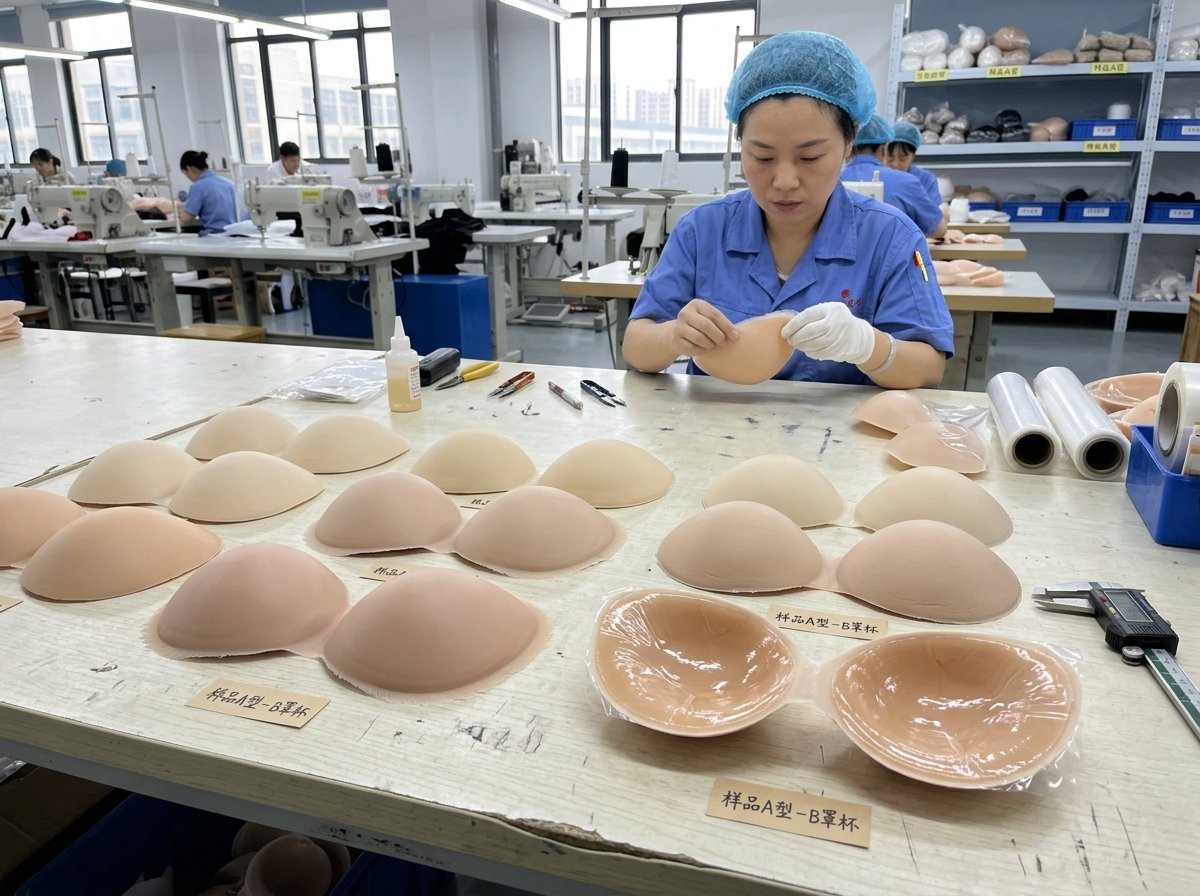
Bad silicone bra production creates the same problems again and again. Weak adhesion, thick edges, wrong cup shape, unstable quality, and skin irritation all start inside the factory. Silicone bra manufacturing in a factory follows a full process from raw material selection, mold forming, adhesive treatment, trimming, inspection, and packing. Stable production depends on controlling shape, edge softness, adhesive performance, and batch consistency at every step. From the outside, a silicone bra looks simple. In real production, it is not simple at all. The final result depends on how the silicone is chosen, how the mold is built, how the cup shape is formed, how the adhesive layer is controlled, and how each pair is inspected before packing. Many public complaints about silicone bras are not caused by one single mistake. They usually come from weak process control across several steps. That is why a real factory with in-house design, R&D, and production coordination can make a big

How to Customize Silicone Bra in a Factory: Full Step-by-Step Manufacturing Guide

Private label buyers often find that silicone bras look simple on the surface, but the real risk hides in stickiness, cup shape, skin comfort, and size accuracy. A custom silicone bra project succeeds when material choice, mold design, adhesive performance, and fit testing are developed together. If one part is weak, the final product may slip, feel painful, look bulky, or fail in real wear. A factory-level customization process matters because most product failures do not begin at the sales page. They begin in mold development, adhesive selection, edge thickness control, and wear testing. That is why serious buyers need a step-by-step view before choosing an OEM or ODM supplier. Why Does Silicone Bra Customization Need More Than Just a Logo? Many buyers enter the category by thinking customization means logo printing, box design, and color changes. That looks efficient at first, but it often creates a product that is easy to launch and hard to reorder. Real silicone bra customization