
Many seamless bonded lingerie projects look easy on the surface. Then fit drifts, bonded edges fail, support feels weak, and launch timing starts to slow down.
OEM/ODM seamless bonded lingerie combines clean construction, light support, and modern comfort through heat bonding, lamination, and molded shaping. The fastest scalable projects come from factories that control design, R&D, sampling, production, and QC in one system.
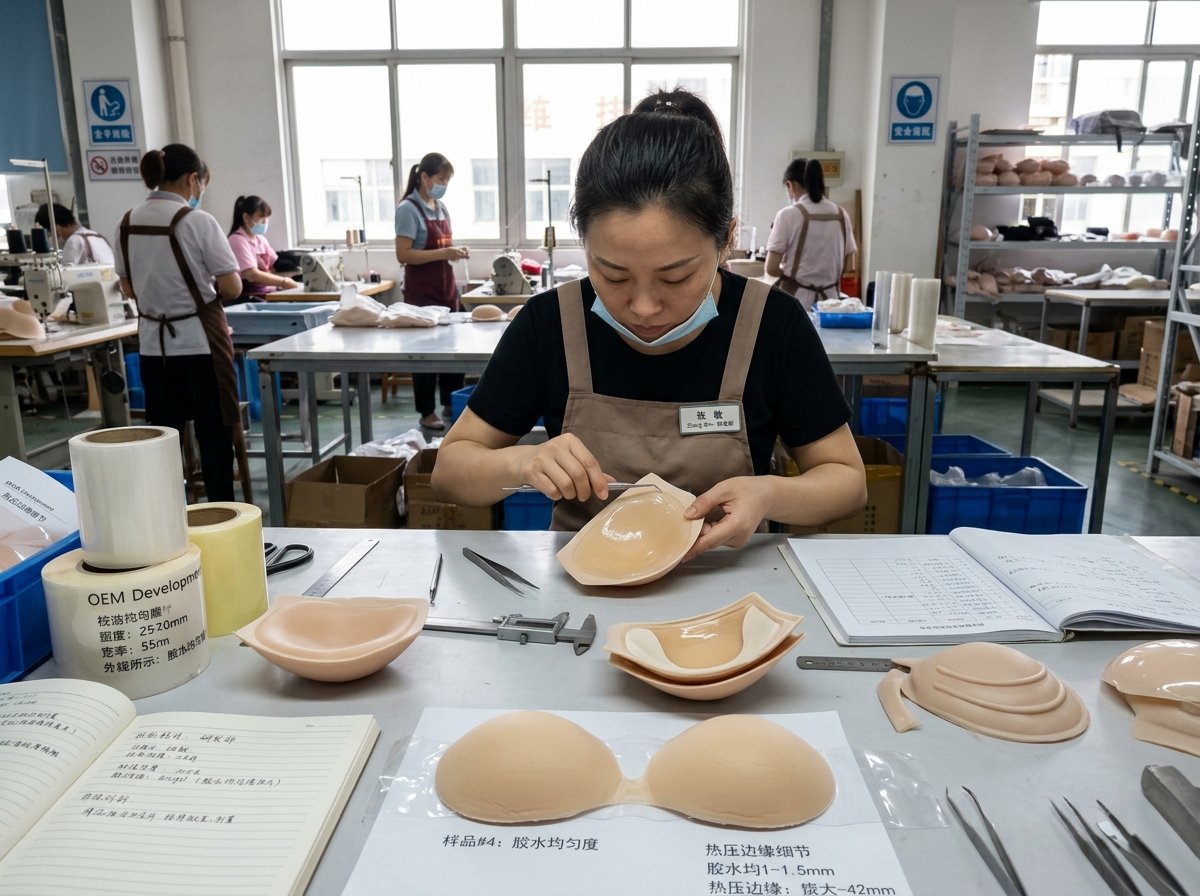
Seamless bonded lingerie has moved far beyond a simple “no visible seam” story. In practical product development, it sits at the intersection of comfort, appearance, light structure, and apparel compatibility. That is exactly why the category is attractive for fashion brands, underwear labels, retailers, and sourcing teams that want modern products with cleaner silhouettes and faster shelf appeal.
At the same time, this category also creates a different set of factory-side challenges. A bonded bra or bonded brief may look minimal, but the manufacturing logic is not simple. Material pairing, bonding strength, edge recovery, cup shape, stretch balance, and wash durability all decide whether the product feels premium or turns into a return problem.
What Is Seamless Bonded Lingerie and Why Is It Growing?
Seamless bonded lingerie often looks sleek in photos. The real challenge is making that clean look survive actual wear, movement, washing, and size variation.
Seamless bonded lingerie refers to underwear products made with bonding, lamination, molding, and seam-reduction techniques instead of traditional bulky stitching. It is growing because it offers smoother appearance, lighter feel, cleaner edges, and better compatibility with fitted apparel.
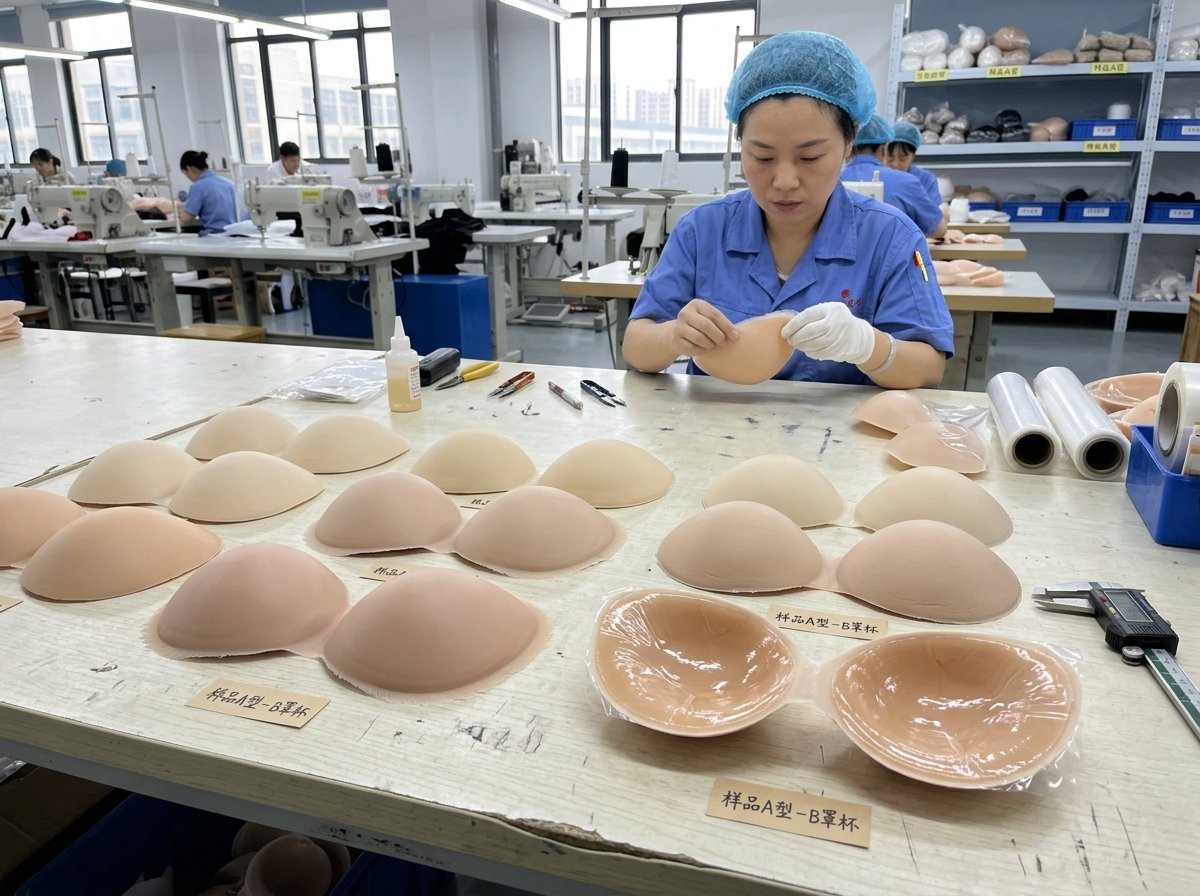
In simple terms, bonded lingerie replaces part of the visible seam structure with adhesive film, heat pressing, lamination, and engineered fabric layers. This creates flatter edges and a more “second-skin” appearance. The category fits well into modern retail demand because consumers increasingly want products that disappear under clothing, feel soft, and photograph cleanly online.
Still, “seamless” is often misunderstood. Seamless does not automatically mean shapeless. Bonded does not automatically mean weak. The best products are not just smooth. They are built with controlled tension, fabric recovery, and support mapping.
What makes this category attractive
| Product advantage | Why brands like it |
|---|---|
| Smooth appearance | Better under leggings, dresses, and fitted tops |
| Cleaner edge finish | Less visible underwear line |
| Lighter feel | Better comfort perception |
| Modern retail look | Stronger visual appeal for private label collections |
| Flexible development | Suitable for bras, briefs, shapewear, and layering pieces |
For OEM and ODM projects, this category is especially useful because it supports both volume basics and differentiated collections. A factory with in-house design and R&D can adjust fabric handfeel, edge direction, support zones, removable pad systems, logo applications, and packaging style to match different brand positions.
Applications and Product Categories of OEM/ODM Seamless Bonded Lingerie?
A lot of buyers enter this category with one bra concept in mind. Then the product line expands quickly because bonded construction fits more use cases than expected.
OEM/ODM seamless bonded lingerie is used across bras, panties, camis, shaping pieces, lounge essentials, and light active-intimate hybrids. It works best where brands need smooth appearance, low bulk, high comfort, and modern clean finishing.
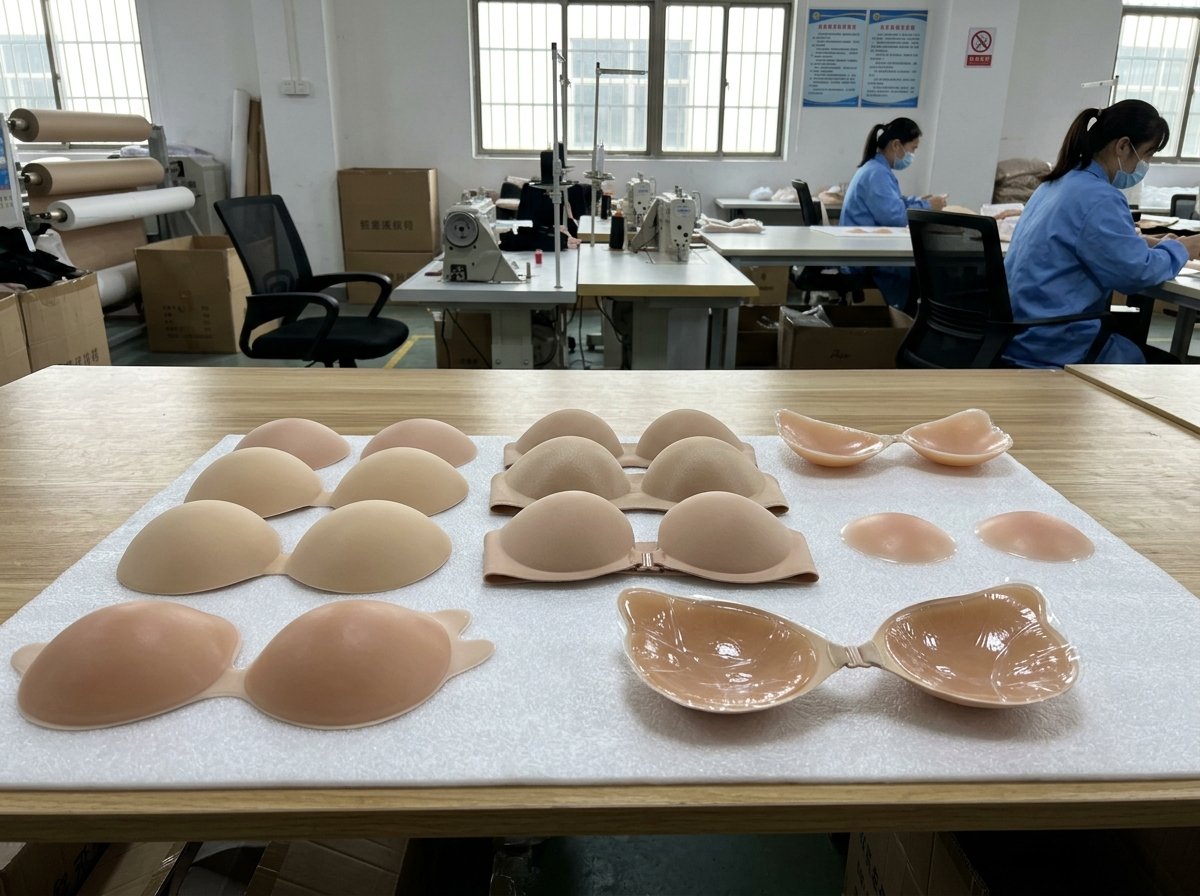
This category is broad. It is not only about a bonded bra. It includes several commercially useful subcategories that can be developed from related material systems and production logic.
Main product categories
1. Bonded bras
These are often the core entry point. Common versions include wireless bras, lightly supportive molded bras, removable pad bras, plunge bras, bandeau bras, and daily comfort bras.
2. Bonded panties
Bonded briefs, hipsters, thongs, and high-waist styles are strong sellers because clean-cut edges solve visible panty line issues.
3. Bonded camis and bralettes
These combine lounge comfort with smoother appearance and often fit fashion layering stories.
4. Bonded shapewear
This area needs more structure control. It works when compression, edge grip, and comfort are balanced carefully.
5. Hybrid intimate-active pieces
Some brands now position bonded intimates between underwear and light activewear, especially for all-day wear and travel use.
| Category | Typical strength |
|---|---|
| Wireless bonded bra | Comfort + clean look |
| Bonded brief | Invisible under fitted bottoms |
| Bonded bralette | Soft daily wear |
| Bonded shapewear | Light smoothing |
| Cami or crop innerwear | Layering and lounge use |
Where does it fit commercially? It fits best in everyday wear, fashion layering, travel essentials, office dressing, fitted apparel, and warmer-climate wardrobes where heavy seam bulk feels outdated. For private label programs, this also means cleaner assortment building. A brand can start with bonded basics, then expand into higher-margin capsules with upgraded handfeel, pad systems, or premium trims.
Where Does Bonded Lingerie Fit in a Brand Lineup?
Some collections add bonded styles as trend pieces. Better collections use them as a structural line because the category fills several wardrobe needs at once.
Bonded lingerie fits best as a daily comfort line, invisible-under-clothing line, modern essentials program, or premium lightweight collection. It can also work as a bridge between basic underwear and light shapewear.
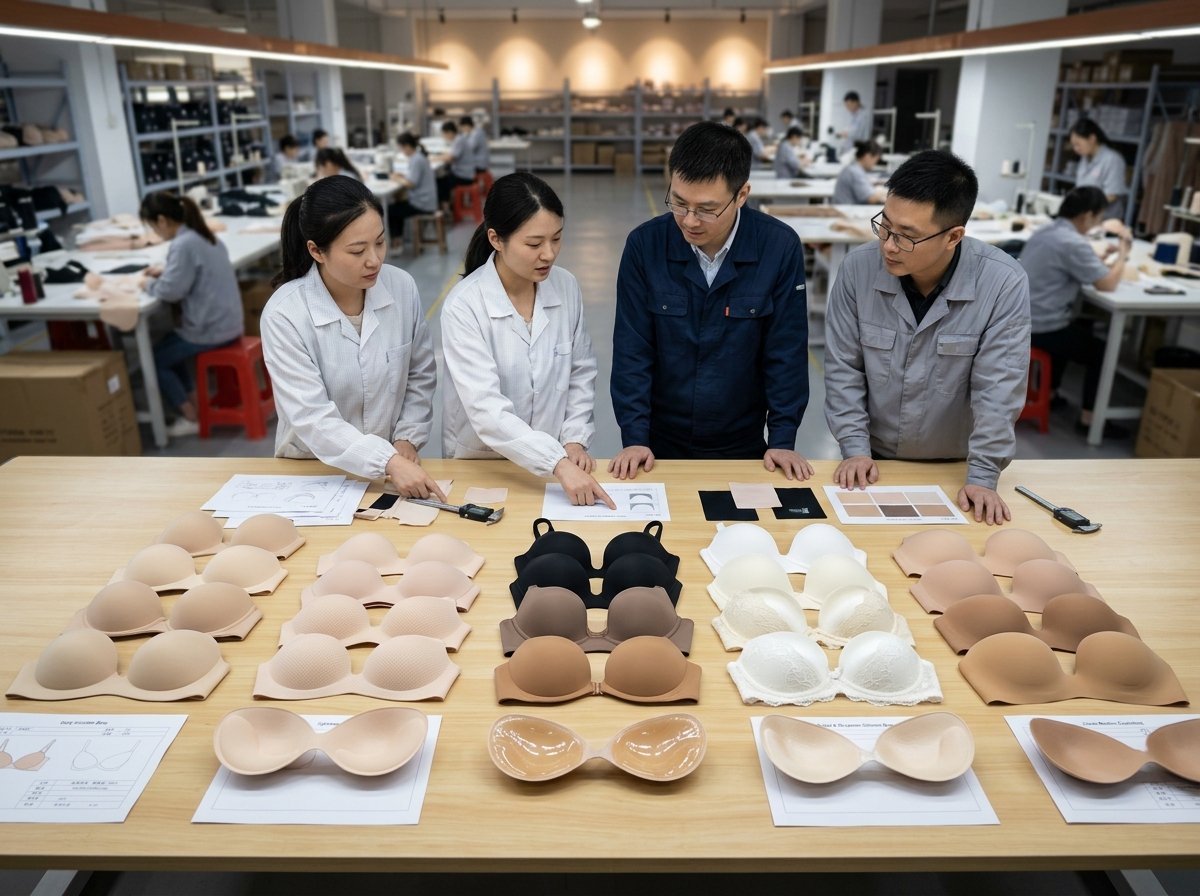
The strongest assortment logic usually starts with use case, not just appearance. A bonded bra may compete with a T-shirt bra in one brand, but with a lounge bralette in another. A bonded brief may sit under everyday basics, or under a “no-show” capsule. Positioning matters because wrong claims create the same kind of disappointment seen across other intimate categories: buyers expect real support, but the product only gives coverage; buyers expect long wear stability, but the edge starts curling; buyers expect invisible finish, but the fabric rebounds badly under tight garments.
Useful assortment positions
| Brand need | Bonded lingerie role |
|---|---|
| Entry essentials | Everyday smooth basics |
| Premium update | Clean, modern comfort story |
| Travel collection | Light, easy-pack intimates |
| Fashion capsule | Invisible base layer under fitted garments |
| Summer range | Lower-bulk intimate options |
For scaling brands, this category is valuable because it can anchor both continuity SKUs and seasonal updates. Neutral-tone bonded bras and briefs create repeat-order stability. Fashion shades, printed cartons, upgraded pad shapes, and seasonal silhouettes create launch freshness.
How Fast Brands Can Launch Seamless Bonded Lingerie with OEM/ODM Support?
Every buyer asks about speed. The real answer depends less on the calendar and more on how much development risk is built into the project.
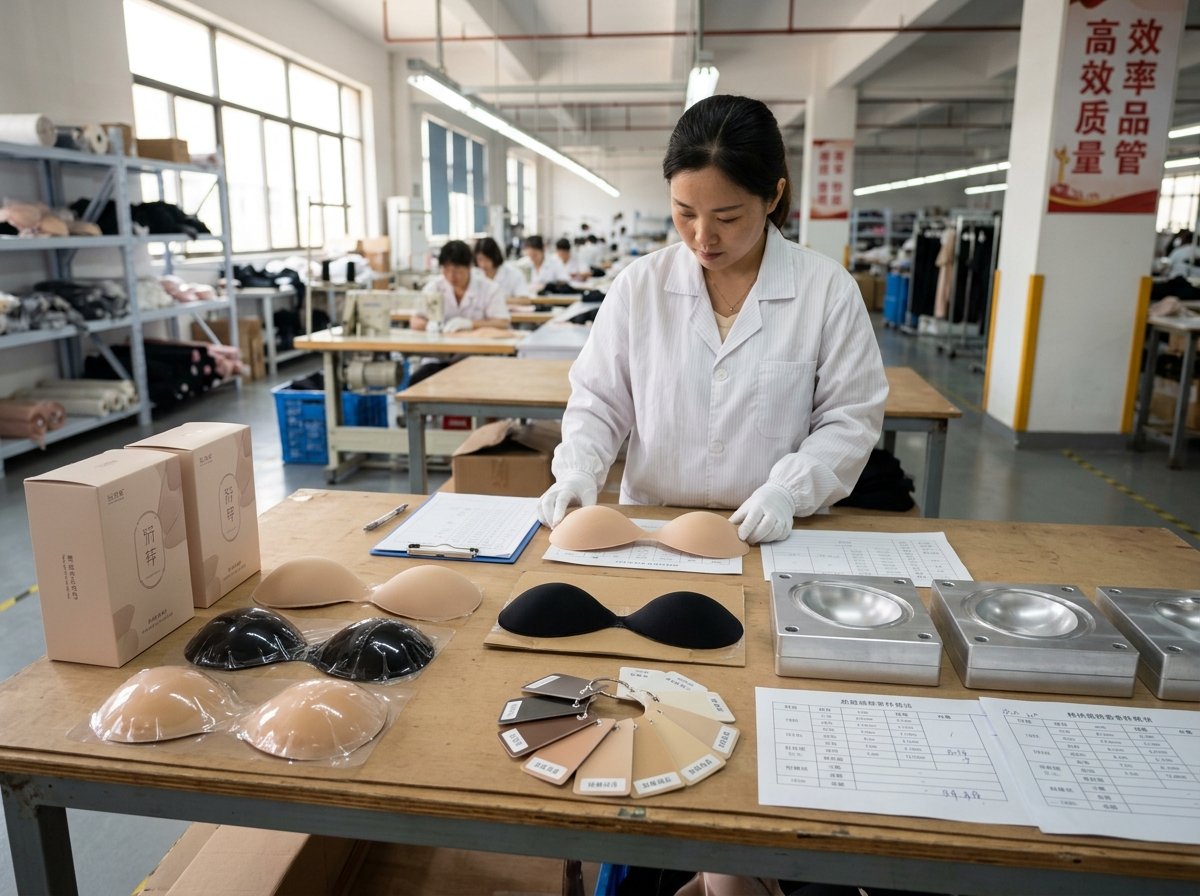
Brands can launch seamless bonded lingerie quickly when they use proven material systems, existing molds, and clear artwork standards. Launch speed slows when the project includes new support logic, new bonding structures, custom pads, or complex fit revisions.
A fast bonded lingerie launch is usually possible under an OEM path. That means using a proven base style and customizing branding, color, packaging, labels, and minor details. An ODM path takes more time because the factory needs to build or revise the product architecture itself.
Three common launch paths
Basic OEM launch
Existing bonded style, standard materials, private label packaging.
This is the fastest route.
Semi-custom launch
Existing structure, but with adjusted fabric, bonding width, pad option, logo placement, or trim detail.
This gives more differentiation without restarting the whole technical path.
Full ODM launch
New silhouette, new support target, custom cup shape, special edge logic, or new material combination.
This creates stronger uniqueness, but needs more development rounds.
| Project path | Launch speed | Development risk |
|---|---|---|
| Basic OEM | Fastest | Lowest |
| Semi-custom | Moderate | Medium |
| Full ODM | Slower | Highest |
The fastest scalable projects usually share four things. First, the factory already has stable bonded production capability. Second, the materials are commercially proven. Third, the buyer approves fit and packaging quickly. Fourth, the product is defined honestly. Trouble starts when the product promise is bigger than the construction logic. For example, a light bonded wireless bra should not be sold like a high-support structured bra. That kind of mismatch creates the same negative cycle seen in many intimate products: poor reviews, returns, and pressure on customer service.
What Technical Decisions Shape Product Success Most?
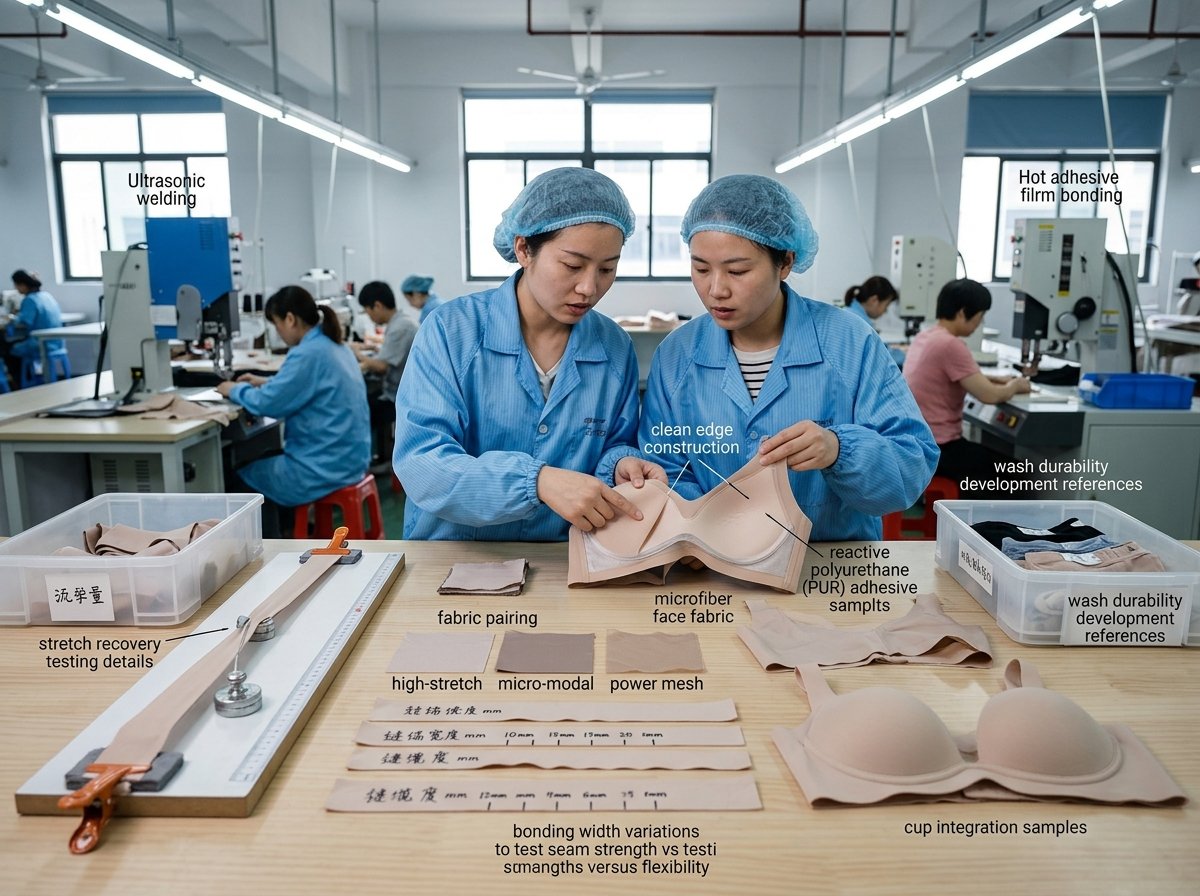
The most important decisions in bonded lingerie are fabric pairing, adhesive film choice, bonding width, stretch recovery balance, cup integration, edge construction, and wash durability. These details decide whether the product feels smooth and premium or weak and unstable.
Seamless bonded lingerie only performs well when every layer behaves correctly with the next one. A soft fabric with poor rebound may feel good at first but lose edge recovery later. An aggressive bonding film may hold well at the factory but feel stiff on the body. A very clean-cut edge may look beautiful in static photos but roll or flip during wear.
Main technical checkpoints
Fabric compatibility
Not every knit bonds well. Stretch, recovery, surface finish, and thickness must work with the selected bonding method.
Adhesive film or bonding layer
The bonding material must survive wear, washing, and movement without creating hard touch points.
Edge direction
The edge must be engineered for body movement. Wrong stretch direction often causes curling or instability.
Cup or pad integration
In bonded bras, pad placement, removable pad access, and molded area control strongly affect shape consistency.
Support mapping
Light support can work well. Weak and unstable support does not. Zone control matters.
| Technical area | Common failure |
|---|---|
| Fabric rebound | Bagging or weak recovery |
| Bond line stiffness | Uncomfortable edge feel |
| Edge engineering | Rolling or flipping |
| Cup placement | Uneven shape appearance |
| Lamination control | Delamination after washing |
Factories with in-house R&D and sample engineering teams can usually solve these problems earlier because development and production feedback stay in the same loop. That is a major advantage over a pure sourcing model.
Key Manufacturing and Quality Challenges in Bonded Lingerie Production?
This category sells on cleanliness. That means even small manufacturing flaws become easy to notice and hard to ignore.
The biggest manufacturing and QC challenges in bonded lingerie are delamination, inconsistent bonding strength, curled edges, unstable fit grading, asymmetry, visible press marks, wash durability issues, and mismatch between comfort claims and real wear performance.
The market has already shown a clear pattern across intimate products: when support is overstated, sizing is unclear, materials feel uncomfortable, or construction fails in use, buyers react quickly and harshly. In bonded lingerie, the same logic applies. The complaint may not be “adhesive fell off” like in stick-on products. Instead, it becomes “edge rolled,” “support was not real,” “fit looked odd,” “bond opened after wash,” or “the product felt flat and unsupportive.”
High-frequency production risks
| Problem | Likely reason | Factory-side response |
|---|---|---|
| Delamination | Weak bonding parameter control | Tighten temperature, pressure, and dwell standards |
| Edge rolling | Wrong material balance or edge direction | Rework pattern and stretch orientation |
| Shape inconsistency | Poor mold or grading control | Improve sample approval and size standards |
| Hard press lines | Over-pressing or wrong film | Adjust process and film selection |
| Weak support feel | Product promise exceeds structure | Redefine function and revise support zones |
| Wash failure | Poor bonding durability | Run wash-cycle validation before bulk |
Bonded lingerie needs both visual QC and functional QC. Appearance checks alone are not enough. Bulk inspection should include edge recovery, symmetrical shape, bond consistency, handfeel, and wash performance. A product can leave the line looking perfect and still fail later if the bond weakens after wear or laundering.
How Should Buyers Evaluate an OEM/ODM Bonded Lingerie Factory?
Choosing the right supplier is not just about who can make a bonded edge. It is about who can repeat it at scale without quality drift.
The best way to evaluate a bonded lingerie factory is to review design ability, R&D support, bonding equipment control, fit development process, wash testing, QC standards, and packaging execution. Strong factories explain where the product works, where it does not, and how they control consistency.
A strong factory does not only show a sample wall. It shows process logic. That includes material testing, fit comments, production checkpoints, and sample-to-bulk control. It should also show honest understanding of the category’s weak points. That is important because many failures in intimate product launches come from exaggerated claims, unclear size grading, or styles pushed into the wrong body type or usage scene.
Smart evaluation checklist
| Evaluation point | Why it matters |
|---|---|
| In-house design team | Faster revisions and better line building |
| In-house R&D | Better control of bonding, materials, and comfort |
| Sampling speed | Faster product development loop |
| Bulk QC system | Fewer repeat defects |
| Fit development process | Better size consistency |
| Packaging support | Cleaner private label execution |
| OEM/ODM experience | Better communication and commercialization |
A real factory partner brings more than sewing capacity. It brings product logic, development discipline, and launch stability. That matters for brand owners, retailers, distributors, and procurement teams trying to scale without quality surprises.
What Helps Seamless Bonded Lingerie Scale Faster After Launch?
Scaling is not only about adding more units. It is about adding volume without increasing complaints.
The fastest scaling bonded lingerie programs use stable core materials, proven best-selling silhouettes, disciplined size grading, repeatable bonding standards, and packaging systems that support reorder efficiency. Launching fewer but stronger styles usually scales better than launching too many weak variations.
The most scalable route is usually a core-line method. Start with a small bonded essentials family. Build it around a few neutral colors, stable sizes, and one or two proven silhouettes. Then extend carefully into seasonal shades, upgraded trims, or added functionality.
Factories with experience serving recognized OEM and ODM programs usually support this well because they understand repeat order discipline. They know that scale depends on stable handfeel, stable grading, stable labels, and stable pack-out, not just monthly output.
Better scaling structure
- Launch a small core bonded program first.
- Lock fit and wash performance before adding variants.
- Expand colors and packaging only after the base style stabilizes.
- Add premium capsules later, not all at once.
This method reduces the common commercial problems that damage scaling: too many SKUs, too many fit corrections, and too much promise built into under-tested products.
Conclusion
OEM and ODM seamless bonded lingerie offers a strong path for brands that want cleaner silhouettes, modern comfort, and scalable private label development. The category works best when product positioning is honest, technical choices are controlled, and manufacturing discipline is built in from the start. A factory with in-house design, R&D, sampling, and production control can help turn bonded bras, briefs, shapewear, and layering essentials into a stable long-term program rather than a short-lived trend. For brands, retailers, distributors, and sourcing teams planning the next bonded lingerie launch, the most important step is choosing a factory partner that can support both product development and scale with the same level of consistency.
