
Adhesive silicone bras often raise doubts due to slipping, poor lift, or inconsistent results. Most failures are not caused by the concept itself, but by material quality and manufacturing execution.
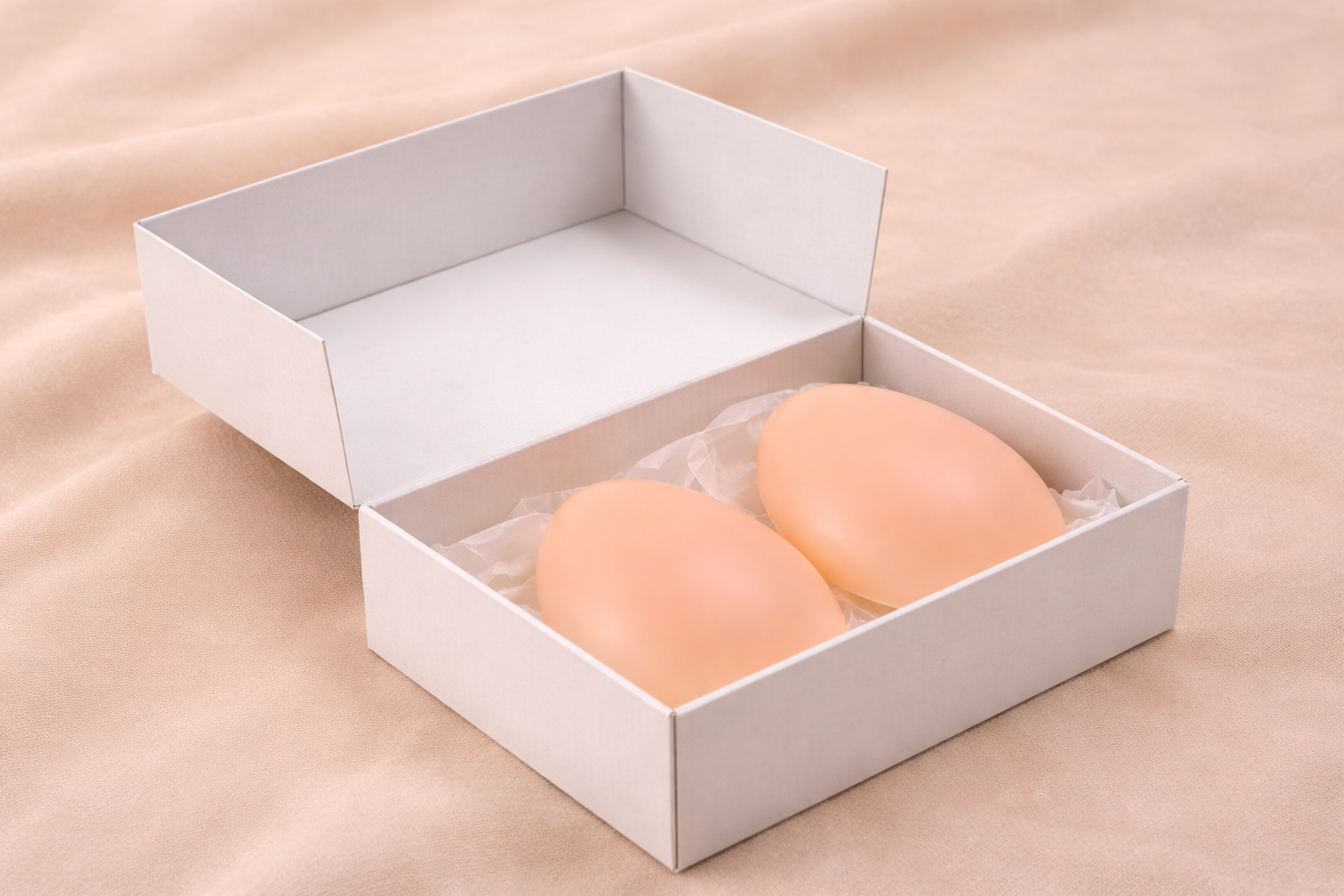
Yes, adhesive silicone bras work when designed with proper silicone structure, skin-safe adhesive, and controlled production processes that ensure stable adhesion and shaping.
The effectiveness of an adhesive silicone bra is the result of engineering, not chance. Performance depends on how materials, structure, adhesive chemistry, and factory processes work together as a complete system.
What allows adhesive silicone bras to stay in place?
Staying power is the core concern for most users.
Adhesive silicone bras stay in place through pressure-sensitive adhesive that bonds with clean skin using surface contact and body heat.
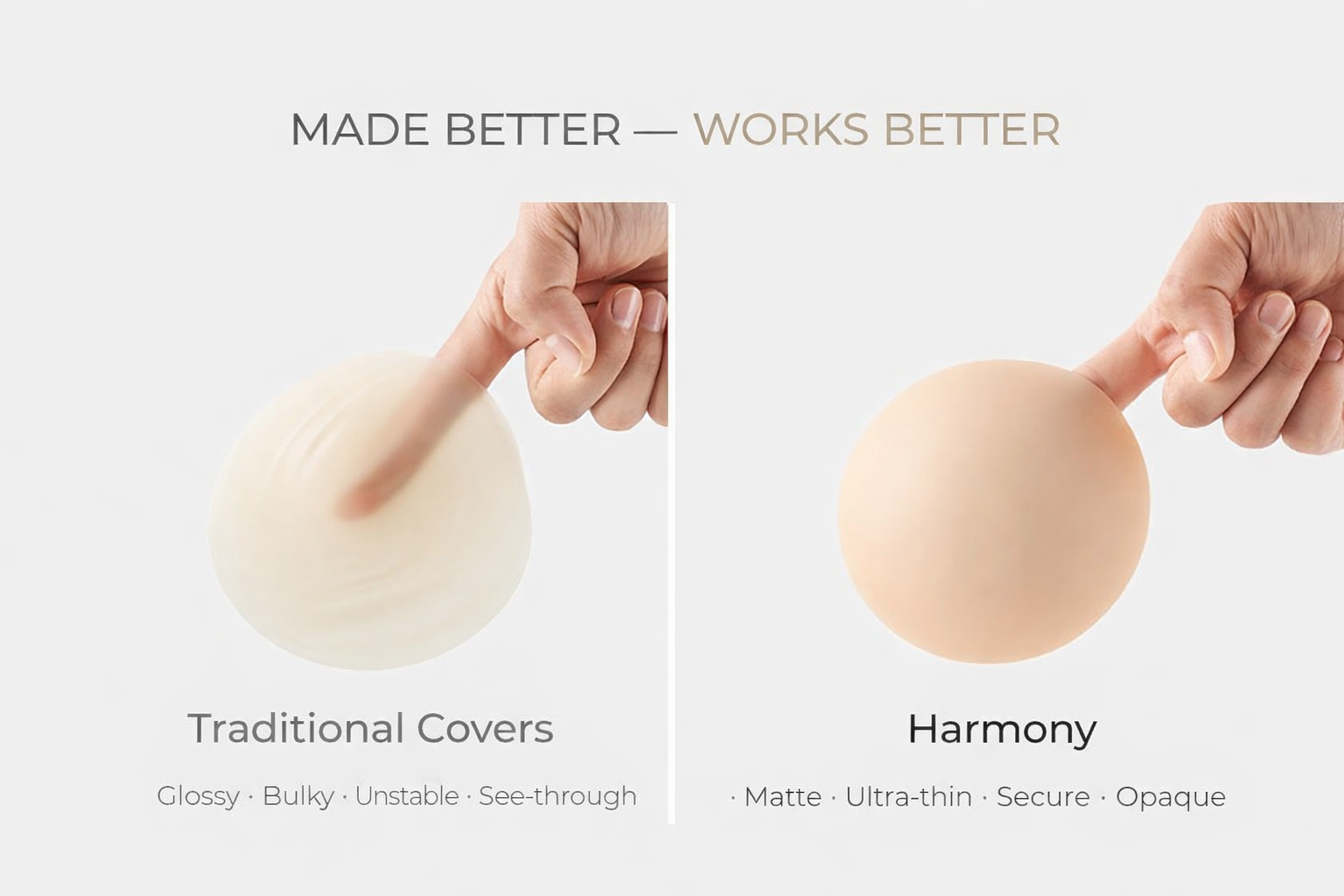
Adhesive silicone bras rely on pressure-sensitive adhesive rather than mechanical support like straps or underwires. This adhesive forms micro-level contact with the skin surface, creating friction-based grip without penetrating the skin.
The adhesive is engineered to activate under light pressure and body temperature. Once applied, the adhesive stabilizes as skin warmth increases, allowing the bra to move naturally with the body instead of resisting motion.
In professional manufacturing, adhesive strength is carefully balanced. Excessive tack may cause discomfort or skin stress during removal, while insufficient tack leads to slipping. Peel strength and shear resistance are tested repeatedly during production.
Uniform adhesive coating is critical. Automated coating machines ensure even thickness across the cup surface, preventing weak adhesion zones or edge lifting that commonly occur in low-quality products.
Can adhesive silicone bras provide real lift and shaping?
Support without straps often seems unrealistic.
Adhesive silicone bras provide lift and shaping through molded silicone structure, thickness mapping, and controlled pressure distribution.
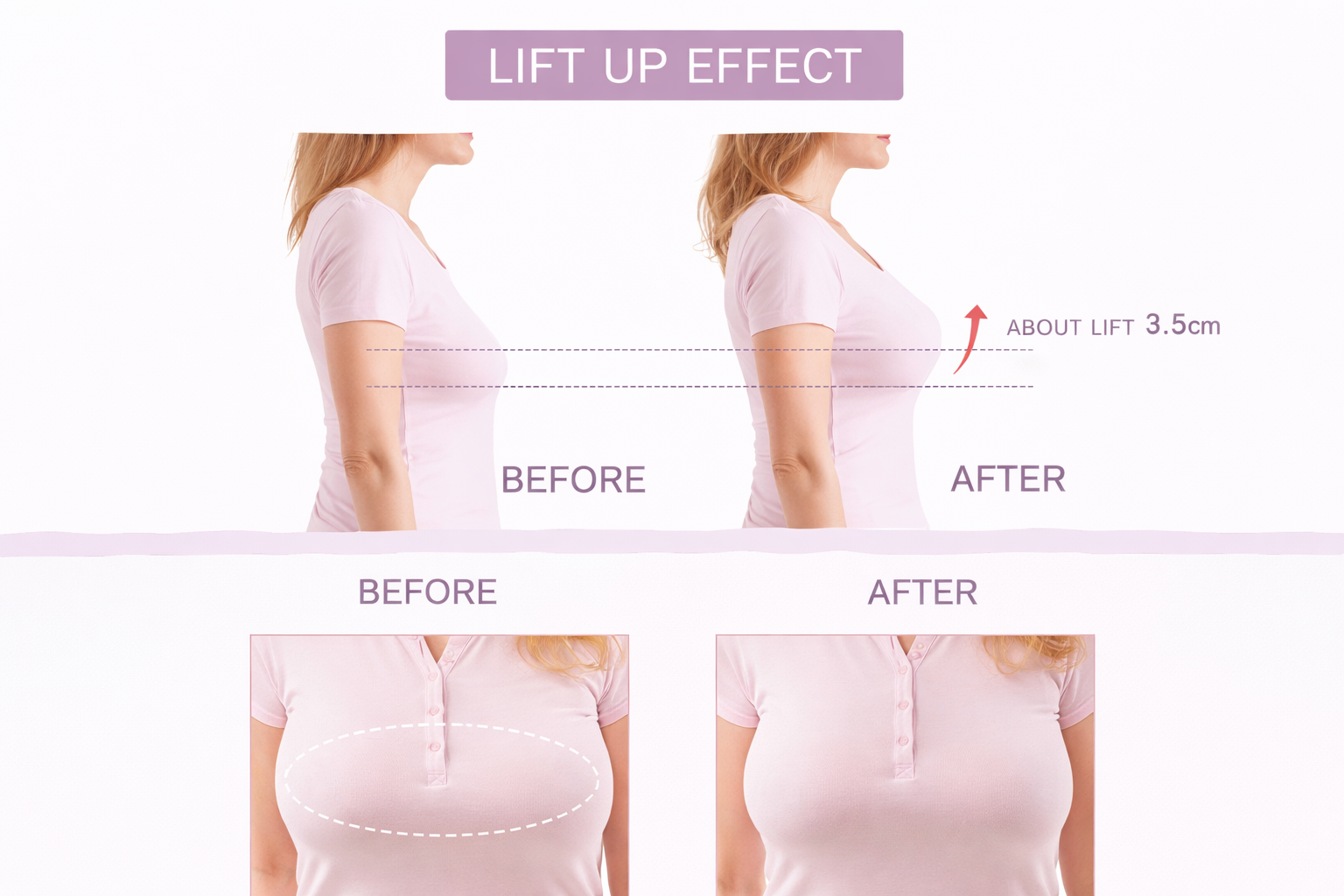
Lift in an adhesive silicone bra does not come from pulling upward, but from guiding breast tissue inward and upward through engineered cup geometry. Mold design defines where support is concentrated and how pressure is distributed.
Thicker silicone zones are placed in areas that require support, while thinner edges allow seamless blending with skin. This thickness mapping is developed during the mold engineering stage and refined through repeated wear testing.
Cup curvature also plays a key role. Proper curvature ensures natural shaping without excessive compression. Inferior designs lack this structural logic, resulting in flat appearance or discomfort.
Factories with in-house design capabilities adjust mold angles, cup depth, and edge tapering to improve shaping performance across different sizes and usage scenarios.
Does sweat or movement affect performance?
Real-life conditions challenge adhesive reliability.
High-quality adhesive silicone bras maintain performance under normal movement and moderate perspiration when properly engineered.
Sweat and movement introduce moisture and shear forces that test adhesive stability. Skin-safe adhesives used in quality silicone bras are formulated to resist breakdown under these conditions.
Adhesive chemistry is designed to maintain elasticity rather than becoming brittle or slippery when exposed to moisture. This elasticity allows the adhesive to move with the skin instead of peeling away.
In factory testing, products undergo simulated wear conditions involving heat, humidity, and repeated motion. Adhesion loss is measured over time to ensure predictable performance.
However, no adhesive product is immune to extreme conditions. Performance depends on correct skin preparation and intended usage duration. Engineering aims to maximize stability within realistic wear scenarios.
How does reusability impact effectiveness?
Repeated use often raises concerns about declining performance.
Adhesive silicone bras remain effective across multiple uses when adhesive recovery and silicone integrity are properly engineered.
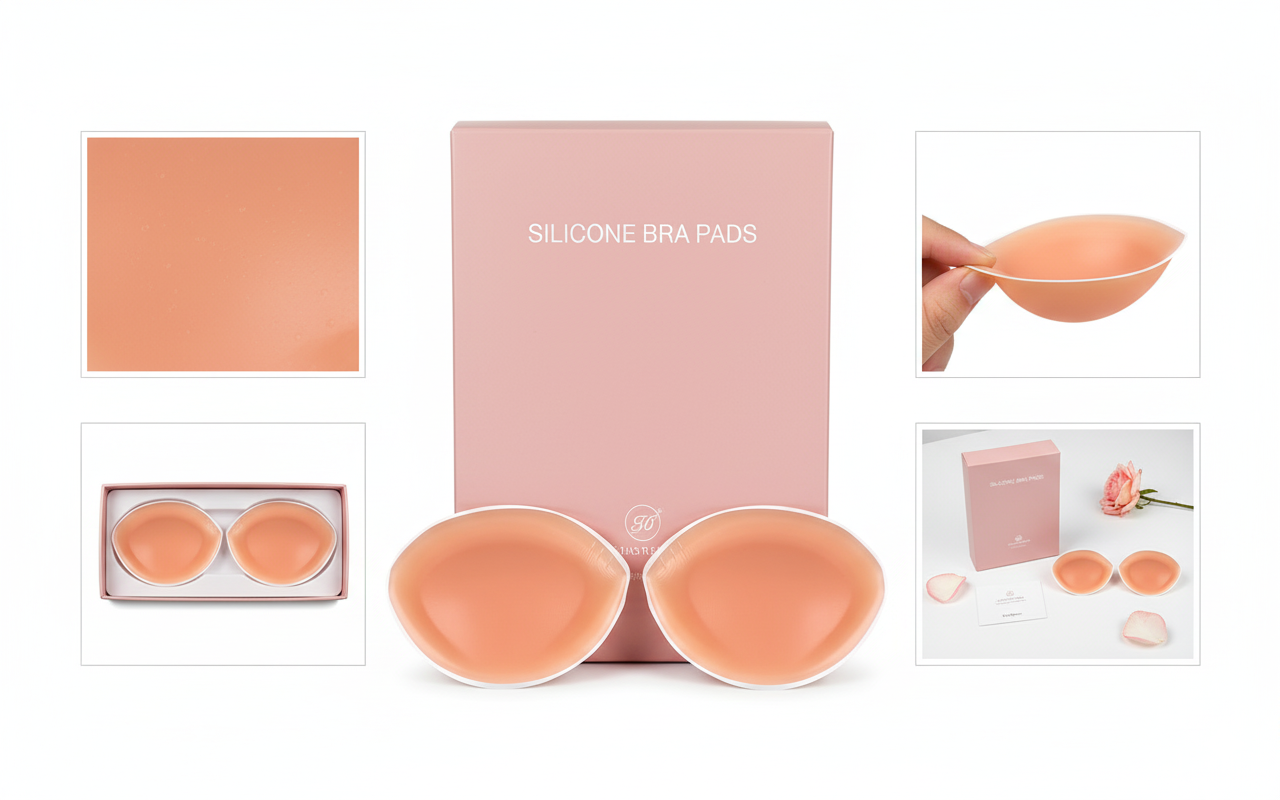
Reusable adhesive silicone bras are designed with washable pressure-sensitive adhesives. These adhesives release oils and debris when rinsed with water and regain tackiness after air drying.
Adhesive bonding to the silicone base is critical. Advanced manufacturing methods integrate adhesive layers directly onto silicone surfaces, reducing peeling or separation over time.
Wash-cycle simulations are a standard part of development testing. Products are washed, dried, and reapplied repeatedly to measure adhesion recovery and shape retention.
Silicone quality also affects reusability. High-purity silicone maintains elasticity and surface smoothness after repeated washing, while inferior silicone stiffens or deforms.
How do factory workshops and processes determine success?
Performance consistency starts on the production floor.
Controlled factory processes ensure adhesive silicone bras work reliably through precise molding, curing, coating, and inspection.
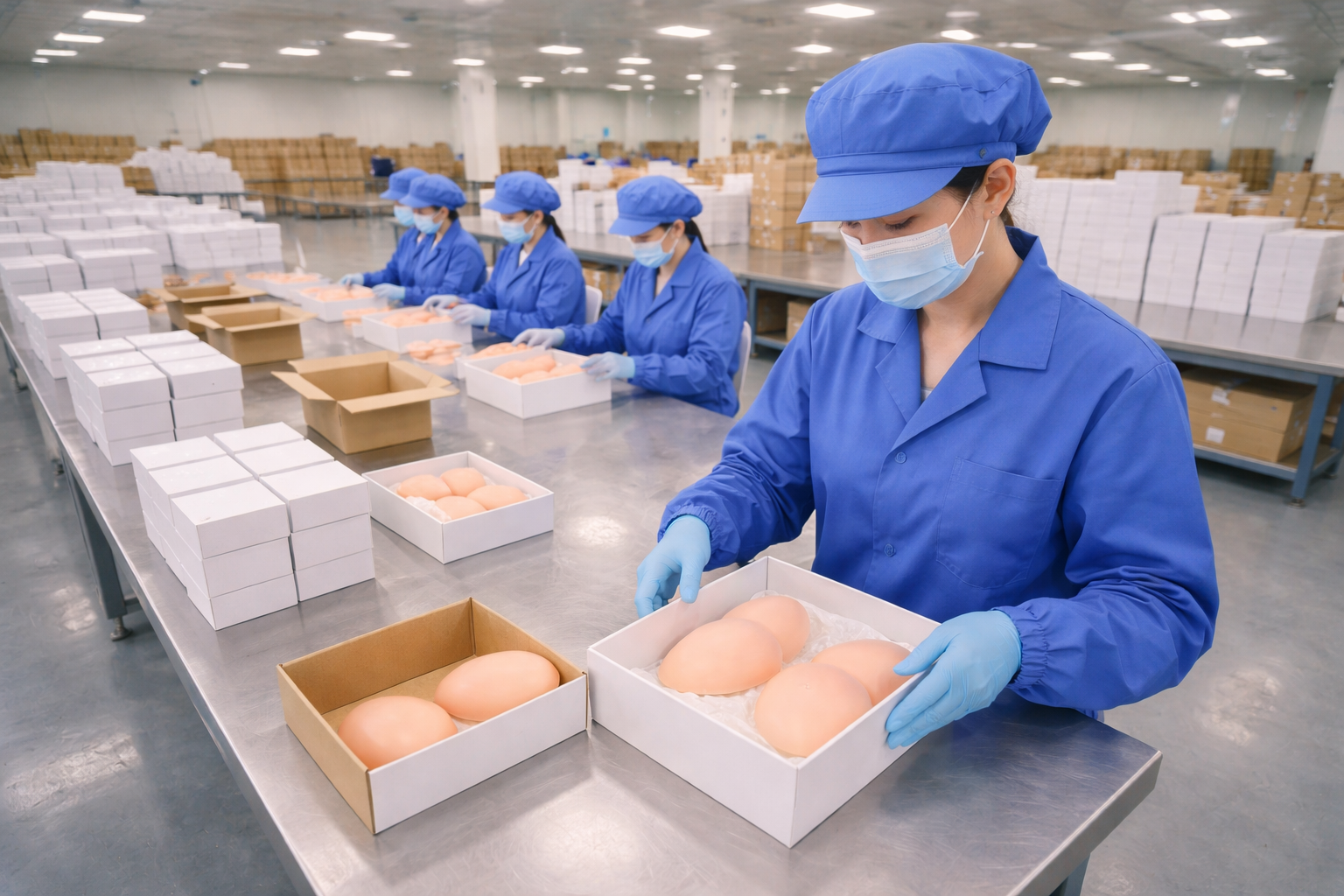
Professional manufacturing workshops are divided into functional zones: silicone preparation, molding, curing, adhesive coating, assembly, and quality control. Each zone operates under specific environmental controls.
Precision molding ensures consistent thickness and cup geometry. Post-curing stabilizes silicone properties and removes residual compounds that could affect skin comfort.
Adhesive coating lines rely on automation to maintain uniform thickness and adhesion strength. Manual application introduces variability that leads to inconsistent performance.
Quality inspection includes visual checks, adhesion testing, tensile testing, odor evaluation, and wash-cycle verification. Products that fail to meet standards are removed before packaging.
This disciplined process ensures that performance observed in samples is replicated in large-scale production.
Why do some adhesive silicone bras fail while others succeed?
Market variation reflects technical depth.
Adhesive silicone bras fail when materials, adhesive formulation, or manufacturing control are insufficient.
Low-performing products often prioritize appearance over engineering. Without proper material selection, mold design, and adhesive tuning, performance becomes inconsistent.
Factories with in-house development capabilities can continuously refine product structure based on testing data. Adjustments to silicone density, adhesive properties, and cup geometry improve reliability.
Traceable production systems allow issues to be identified and corrected at the source. This reduces variability and improves long-term performance.
Adhesive silicone bras are not simple accessories. They are engineered systems where each component affects the final result.
Conclusion
Adhesive silicone bras do work when engineered and manufactured correctly. Their effectiveness depends on skin-safe adhesive chemistry, structured silicone design, controlled factory processes, and rigorous testing. When materials, adhesion, shaping, and production discipline align, adhesive silicone bras deliver secure hold, natural lift, and consistent performance across repeated use. Long-term reliability is achieved through engineering precision rather than surface appearance, making adhesive silicone bras a practical and functional support solution under the right manufacturing standards.
