
Silicone breast forms offer shape and confidence, but slipping or shifting remains a common issue. Most problems come from incorrect adhesion methods, poor preparation, or low manufacturing standards.
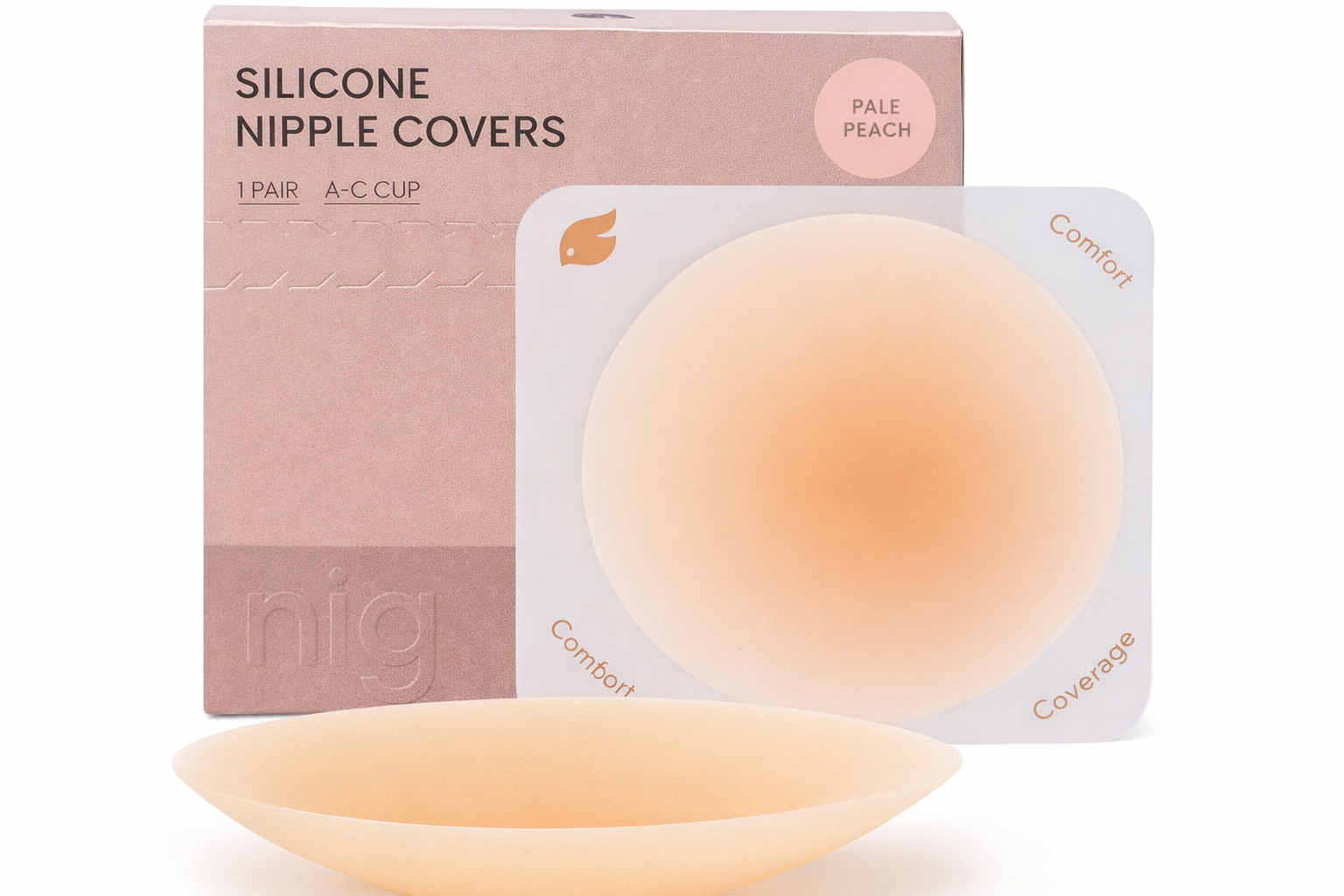
Silicone breast forms stay in place through proper skin preparation, suitable adhesion solutions, correct positioning, and well-engineered silicone structure supported by controlled manufacturing processes.
Keeping silicone breast forms securely in place is not only about how they are worn, but also about how they are designed and manufactured. Performance depends on the interaction between skin, adhesive systems, and the internal structure of the silicone form.
What preparation is needed before wearing silicone breast forms?
Poor preparation is the most common reason for slippage.
Clean, dry, oil-free skin is essential for stable adhesion and long-lasting hold.
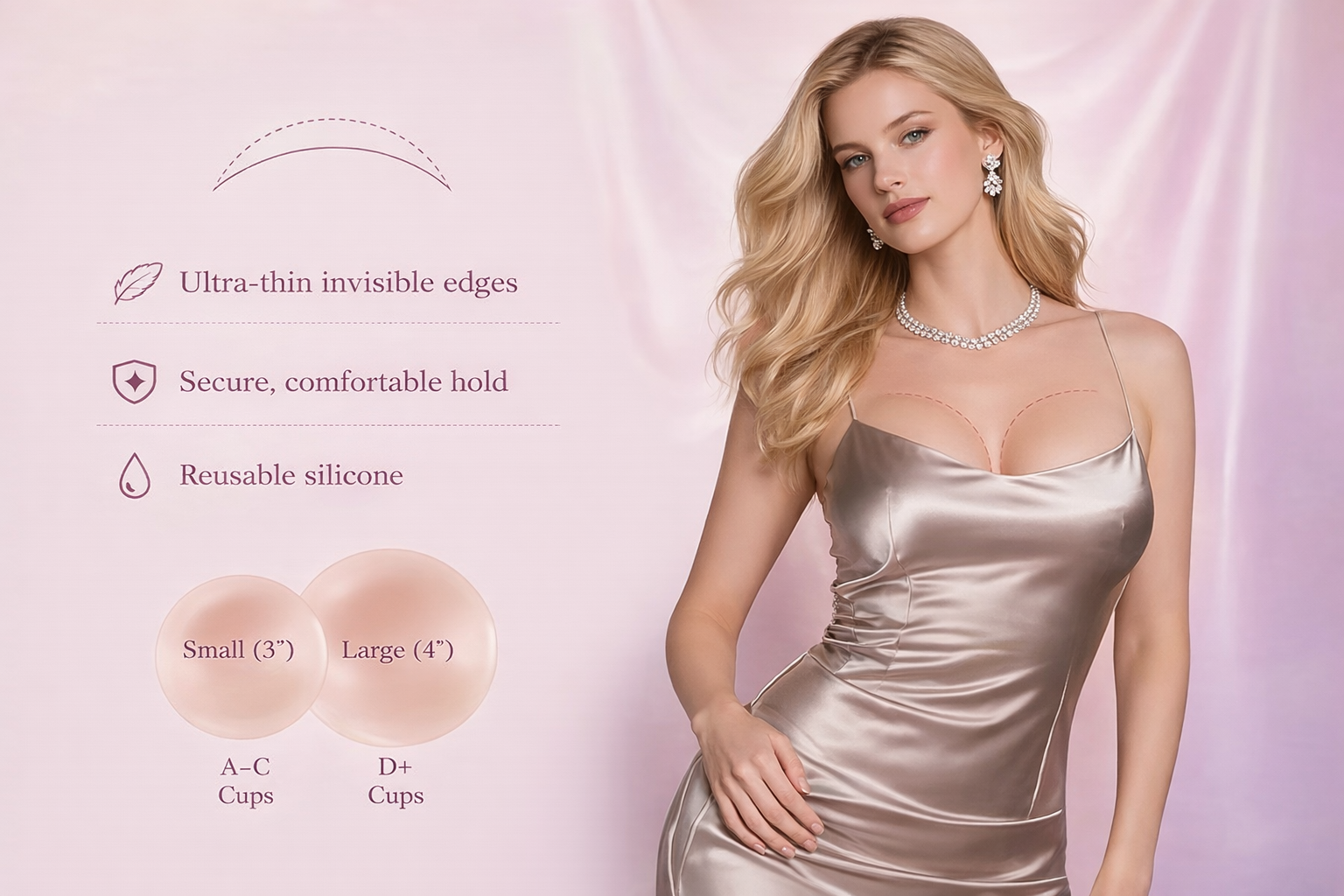
Silicone breast forms rely on surface contact to remain secure. Any barrier between the skin and the adhesive layer reduces friction and bonding strength. Lotions, oils, sunscreen, and even light perspiration can weaken adhesion immediately.
Professional silicone forms are developed and tested under clean-skin conditions. Adhesive performance data is based on direct contact with dry skin at normal body temperature. When preparation is incorrect, even high-grade adhesive systems cannot perform as designed.
Factories consider skin preparation during product development. Adhesive formulations are tuned to activate with gentle pressure and body heat, not chemical reactions. This reduces irritation while ensuring predictable hold.
Proper preparation also improves comfort. Even adhesion reduces pressure points and prevents edge lifting, which can cause discomfort during movement.
What adhesion methods keep silicone breast forms secure?
Adhesion choice directly affects stability and comfort.
Silicone breast forms are secured using integrated adhesive backing, medical-grade adhesive layers, or compatible external adhesives designed for skin contact.
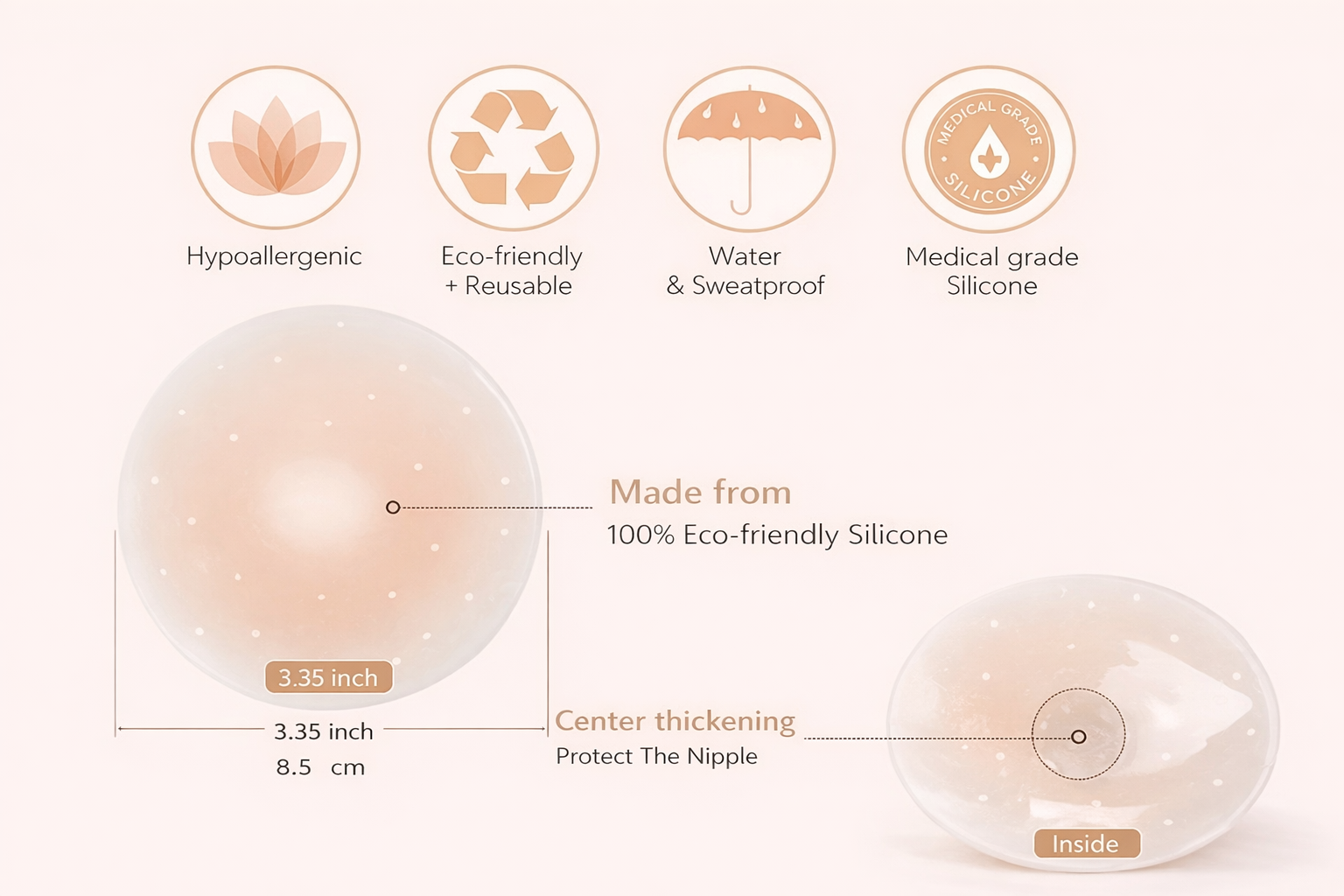
Some silicone breast forms are manufactured with built-in adhesive surfaces. These use pressure-sensitive adhesive engineered to bond with skin through surface contact. This option offers convenience and predictable performance when properly maintained.
Other forms rely on separate adhesive products. These adhesives are formulated for skin safety and elasticity, allowing movement without detachment. Compatibility between adhesive and silicone surface is critical. Incompatible combinations reduce hold and damage material integrity.
In manufacturing, adhesive systems are tested for peel strength, shear resistance, and recovery after removal. Adhesives that are too aggressive increase skin stress, while weak adhesives fail under movement.
Adhesive application during production is controlled through automated coating systems to ensure uniform thickness. Consistent coating prevents uneven bonding and reduces the risk of shifting during wear.
How does positioning affect stability?
Incorrect positioning leads to uneven weight distribution.
Correct alignment and gradual application pressure help silicone breast forms settle naturally and remain stable.
Silicone breast forms are designed with specific contours that match natural chest anatomy. Proper alignment ensures the form’s weight is evenly distributed across the adhesive surface.
Applying the form gradually from the lower portion upward allows trapped air to escape and improves surface contact. Sudden placement increases the risk of misalignment and edge lifting.
Factories design form curvature and thickness mapping to support natural positioning. Thicker silicone zones provide structural support, while thinner edges blend with skin and clothing.
Wear testing during development helps refine positioning guidance. Stable designs reduce reliance on excessive adhesive strength and improve comfort during extended wear.
How does movement and temperature affect hold?
Real-world conditions challenge stability.
Movement and body heat affect adhesion, but properly engineered silicone forms remain stable under normal daily activity.

Body heat activates pressure-sensitive adhesives, improving grip after initial application. However, excessive sweat introduces moisture that reduces surface contact.
High-quality adhesives are formulated to maintain elasticity rather than becoming slippery. This elasticity allows the form to move with the body instead of peeling away.
In factory testing, silicone breast forms undergo simulated wear conditions involving motion, heat, and humidity. Adhesion loss is measured to ensure predictable performance.
While no adhesive solution is immune to extreme conditions, engineered forms are designed to remain secure during normal walking, sitting, and light activity.
How do factory design and workshop processes improve stability?
Stability is engineered from the inside out.
Precision molding, controlled curing, and disciplined adhesive application ensure silicone breast forms remain secure during wear.
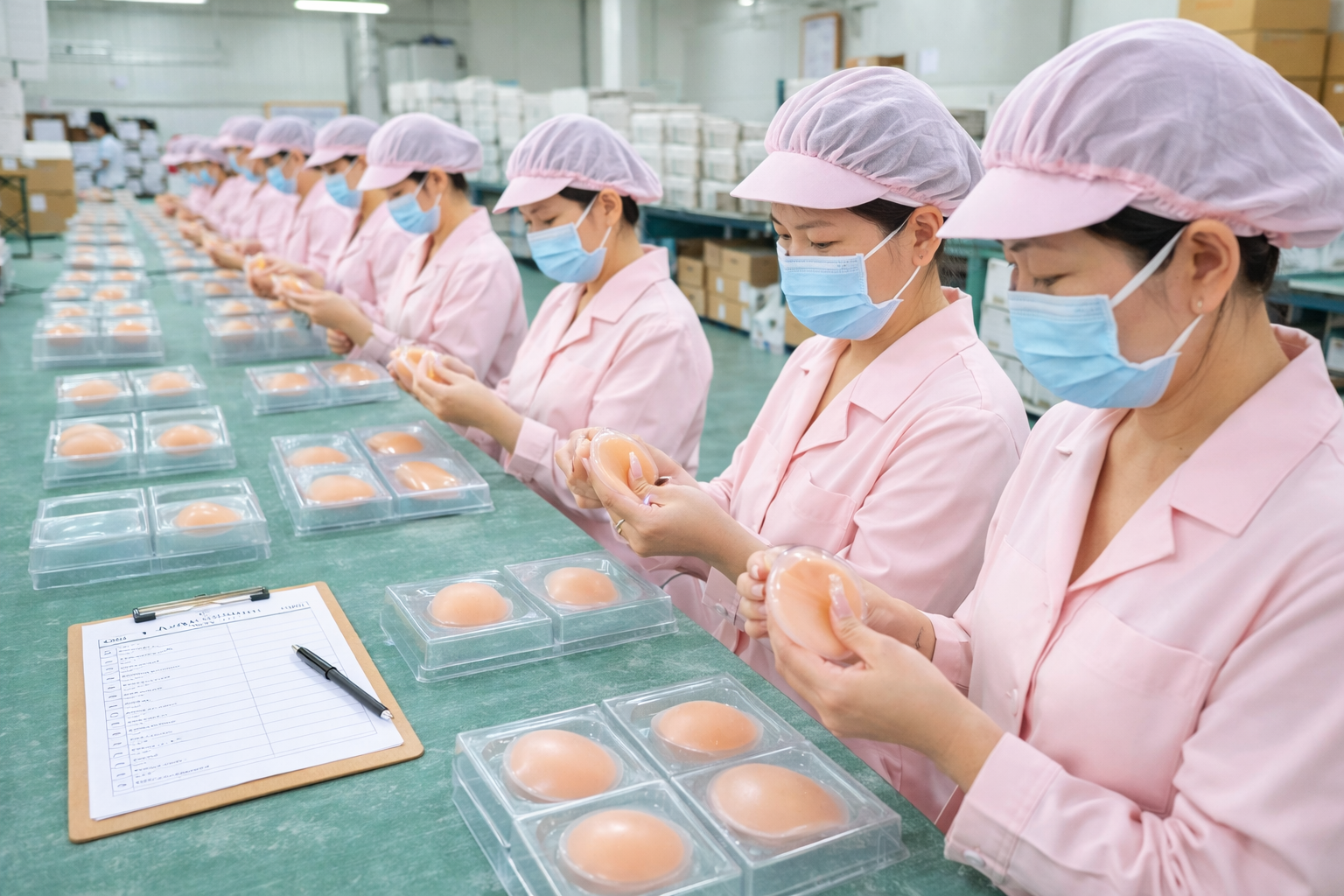
Manufacturing workshops are divided into controlled zones for silicone mixing, molding, curing, adhesive coating, assembly, and inspection. Each stage affects final stability.
Precision molds ensure uniform thickness and weight distribution. Balanced weight prevents downward pull that leads to slippage.
Post-curing stabilizes silicone elasticity and removes residual compounds that could affect adhesion or skin comfort. Adhesive layers are applied using automated systems to ensure consistency.
Quality control includes adhesion testing, tensile testing, edge inspection, and simulated wear trials. Products that fail to meet stability standards are removed before packaging.
In-house design and process control allow continuous improvement. Feedback from wear performance informs adjustments to form shape, adhesive formulation, and surface finish.
Why do some silicone breast forms stay in place better than others?
Performance differences reflect engineering depth.
Silicone breast form stability varies based on material grade, adhesive system, form geometry, and manufacturing discipline.

Low-quality products often rely on heavier silicone or overly aggressive adhesives to compensate for poor design. This leads to discomfort and inconsistent results.
Well-engineered forms balance weight, shape, and adhesion. Thin edges, anatomical curvature, and controlled adhesive strength work together to maintain position naturally.
Factories with development capability can adjust form design based on testing data rather than visual appearance alone. Traceable production systems ensure consistency between batches.
Stable silicone breast forms are the result of material science and process control, not surface-level features.
Conclusion
Keeping silicone breast forms in place requires correct skin preparation, suitable adhesion methods, proper positioning, and realistic wear conditions. These factors only work reliably when supported by precision manufacturing, engineered silicone structure, and controlled adhesive processes. When design, materials, and factory discipline align, silicone breast forms remain secure, comfortable, and stable throughout wear, delivering consistent performance rather than unpredictable results.
