
Silicone bras often look simple, yet their purpose is frequently misunderstood. Many assume they are only fashion accessories, while their real value lies in function, structure, and engineered performance.
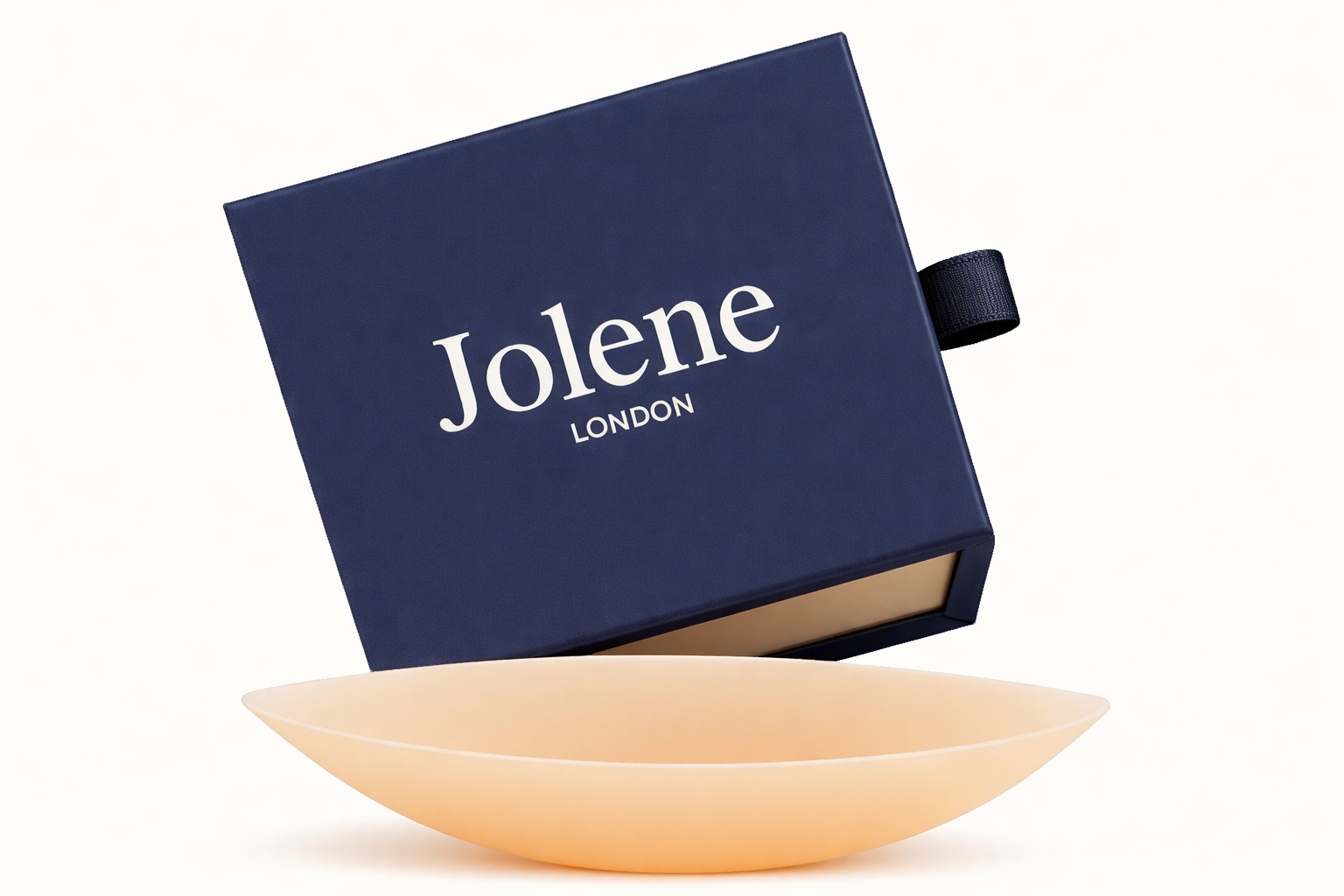
The point of silicone bras is to provide invisible support, natural shaping, and skin-contact comfort without straps, bands, or visible lines under clothing.
Silicone bras exist to solve specific wear problems that traditional bras cannot. Their role is defined by material science, adhesive technology, and manufacturing precision rather than appearance alone.
Why are silicone bras designed to be invisible?
Visible bra lines remain a major styling limitation.
Silicone bras are designed to stay hidden under backless, strapless, or deep-cut garments while maintaining a smooth silhouette.
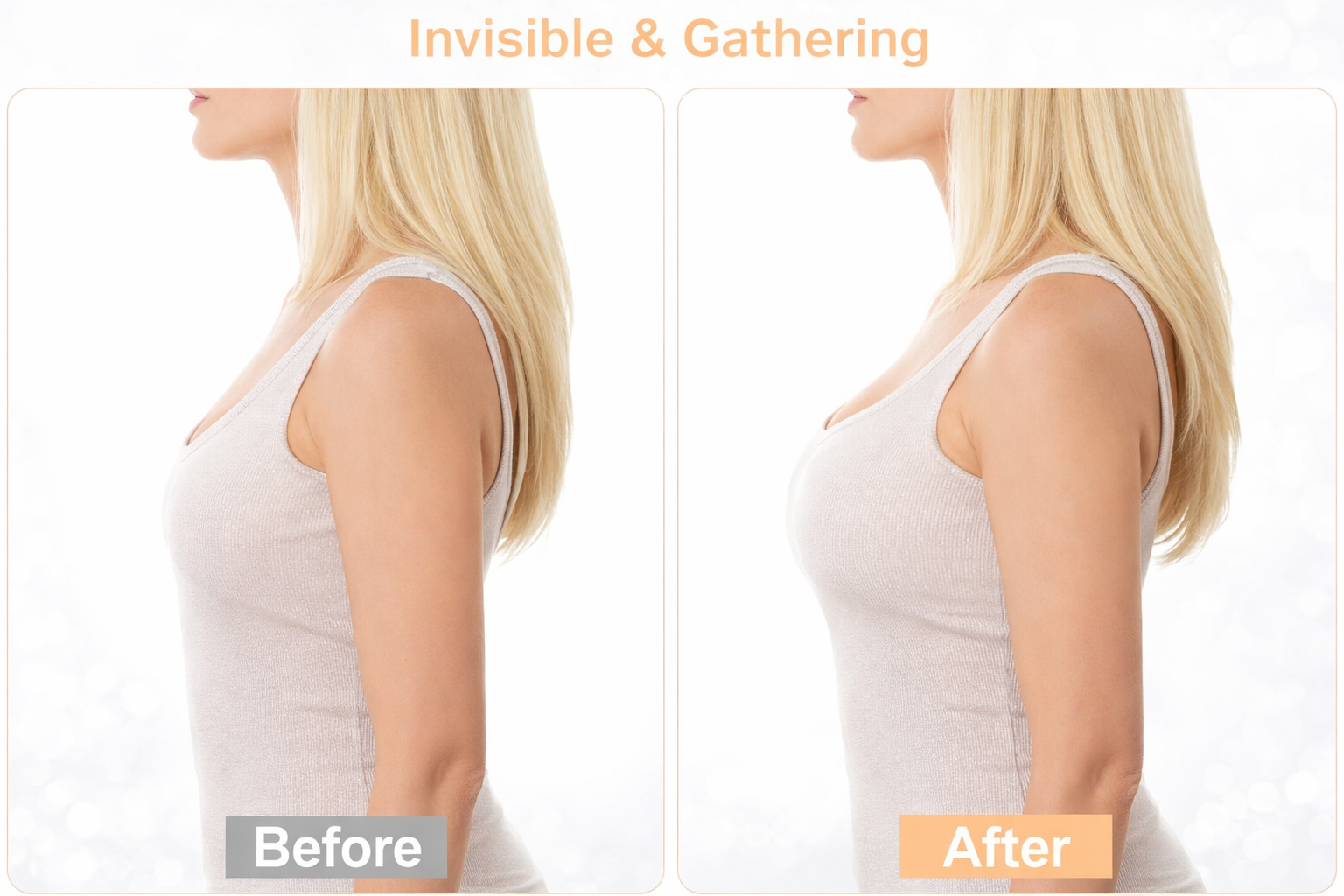
Traditional bras rely on straps, bands, and seams for support. These structural elements become visible under open-back dresses, halter tops, or sheer fabrics. Silicone bras eliminate these components entirely.
This invisibility is achieved through ultra-thin edges and seamless silicone molding. Precision molds control thickness transitions so the bra blends into the skin rather than creating sharp outlines.
In factory production, edge tapering is a critical process. Molds are polished to achieve smooth gradients, and trimming is performed with tight tolerances. Poor edge control leads to visible lines and reduced comfort.
Invisibility is not cosmetic alone. A smooth transition between silicone and skin reduces pressure points, improves comfort, and prevents edge lifting during movement.
How do silicone bras provide support without straps?
Support does not always require mechanical hardware.
Silicone bras provide support through molded structure, weight distribution, and skin-contact adhesion rather than straps or underwires.

Silicone bras rely on engineered cup geometry. Thicker silicone zones are placed where support is needed, while thinner areas allow flexibility and movement. This internal structure guides breast tissue inward and upward.
Adhesion plays a supporting role rather than acting as the sole holding force. Pressure-sensitive adhesives stabilize the bra against the skin, allowing the molded silicone shape to do the shaping work.
During manufacturing, mold design determines how support is distributed. Multiple prototypes are tested to balance lift, comfort, and weight. Excessive thickness increases heaviness, while insufficient structure reduces shaping.
This design logic allows silicone bras to function as structural garments rather than temporary covers.
Why is silicone chosen as the core material?
Material choice defines performance.
Silicone is used because it is flexible, skin-safe, durable, and capable of mimicking natural softness while maintaining shape.
High-quality silicone is biologically inert and resistant to sweat, heat, and repeated use. Unlike fabric, it does not absorb moisture or deform easily, making it suitable for direct skin contact.
Platinum-cured silicone is commonly used in professional production due to its stability and odor-free properties. It maintains elasticity even after repeated stretching and washing.
In factory settings, silicone density is carefully controlled. Density affects weight, drape, and comfort. Too dense feels heavy; too light lacks structure. Proper formulation ensures balance.
Surface finishing also matters. Smooth silicone surfaces improve comfort and reduce friction, while textured finishes may enhance grip depending on design goals.
What role does adhesion play in silicone bras?
Adhesion supports positioning, not force.
Adhesive in silicone bras stabilizes placement, allowing the molded structure to maintain shape and alignment.
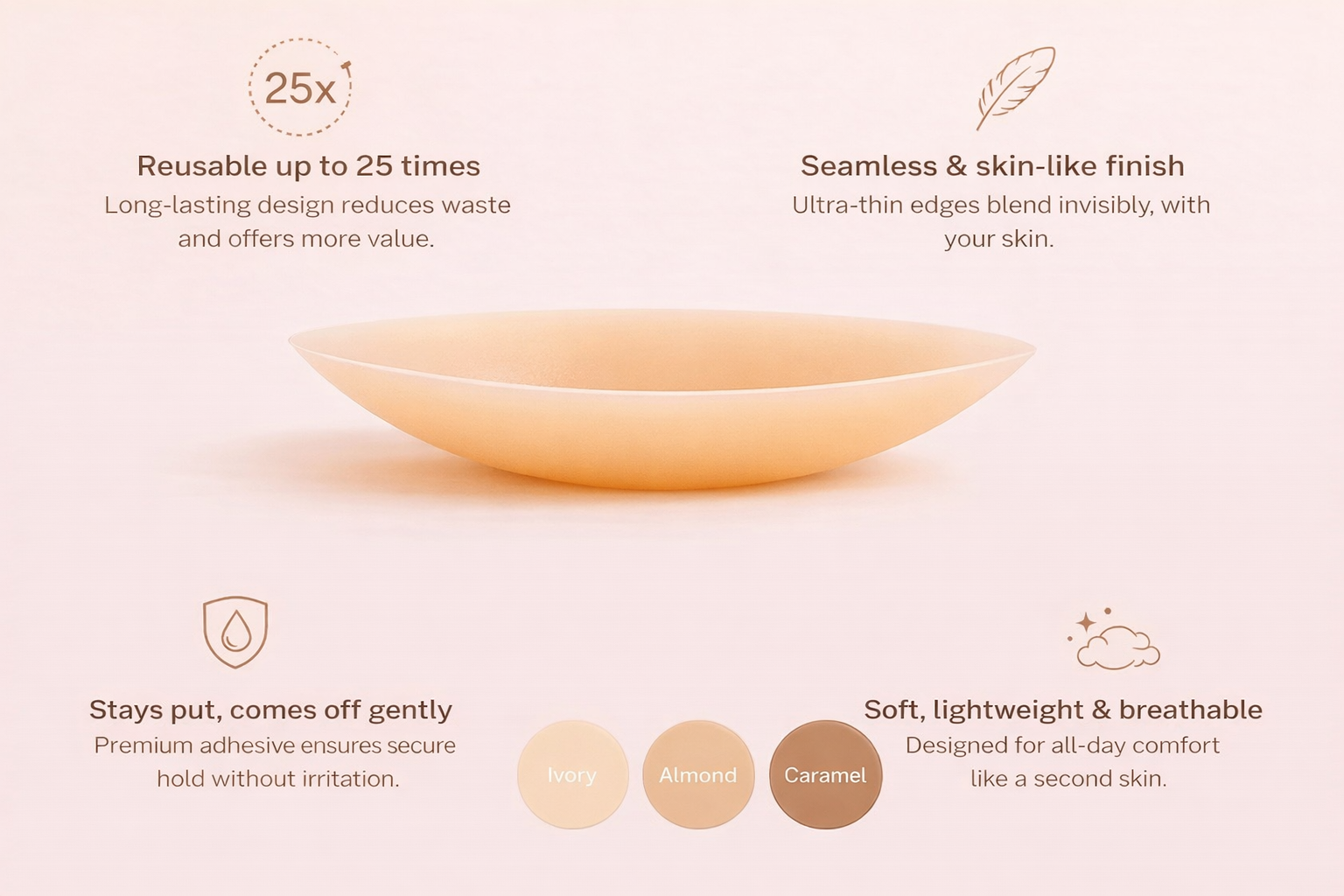
The adhesive used in silicone bras is pressure-sensitive and skin-safe. It activates with gentle pressure and body heat, forming surface-level contact rather than chemical bonding.
Adhesion strength is carefully calibrated. Overly aggressive adhesives cause discomfort and removal issues, while weak adhesives fail during movement. Balance is achieved through formulation and coating precision.
In manufacturing, adhesive layers are applied using automated coating systems. This ensures uniform thickness and predictable performance. Manual application introduces variability that affects stability.
Adhesive performance is validated through peel strength testing, wash-cycle recovery tests, and simulated wear conditions. These tests ensure adhesion supports function without compromising comfort.
How do factory processes define the real value of silicone bras?
Function is built during production.
The true value of silicone bras is determined by precision molding, controlled curing, adhesive application, and multi-stage quality inspection.
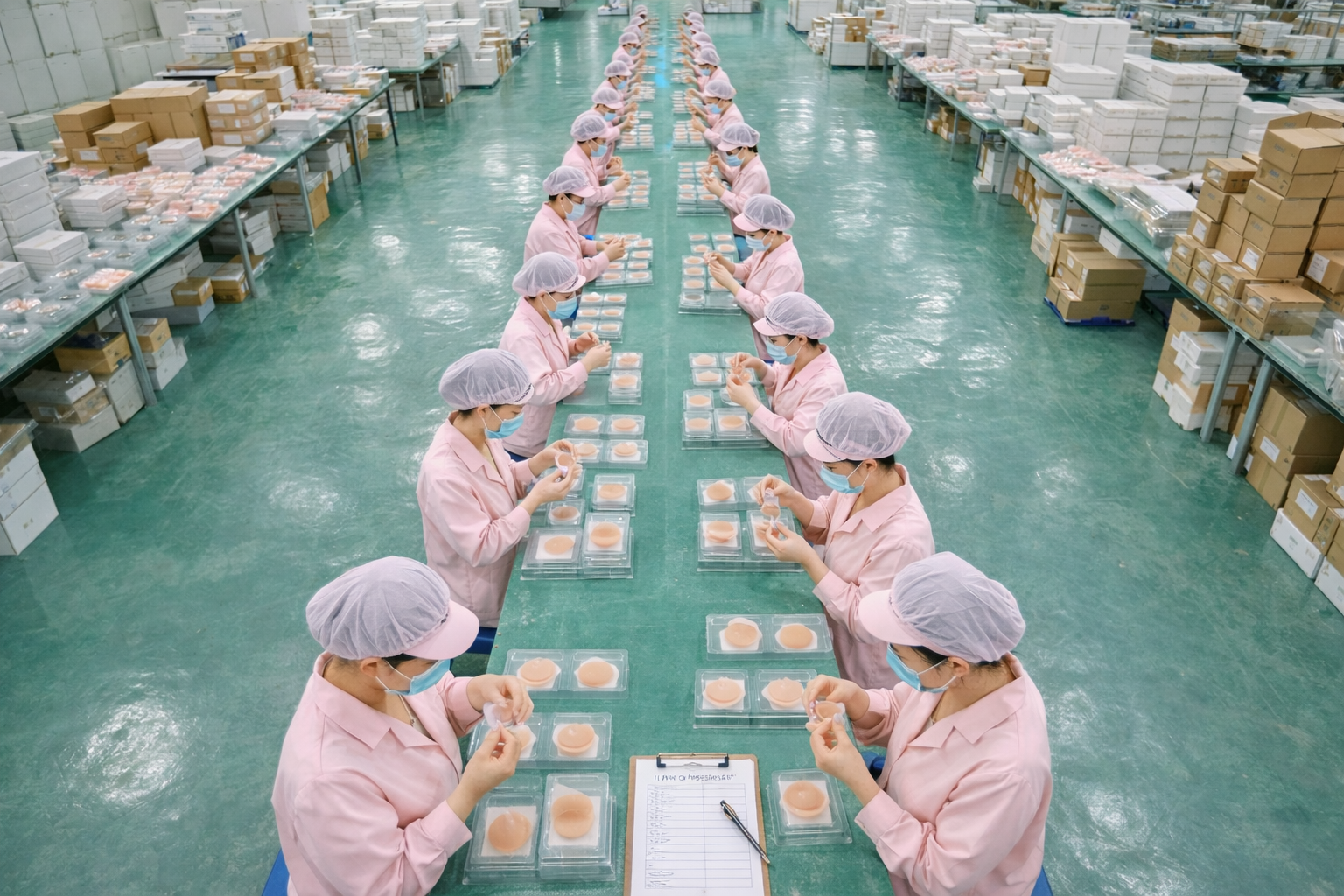
Professional production environments separate silicone preparation, molding, curing, adhesive coating, assembly, and inspection into dedicated zones. Each stage affects final performance.
Precision molds define cup shape, thickness mapping, and edge tapering. Post-curing stabilizes silicone properties and removes residual compounds that affect skin comfort.
Adhesive coating lines use automated equipment to control layer thickness at micrometer levels. This consistency ensures reliable adhesion across large production volumes.
Quality inspection includes visual checks, odor evaluation, adhesion testing, tensile strength testing, and shape verification. Products that fail any standard are removed before packaging.
This disciplined process transforms silicone bras from novelty items into functional garments.
Why do silicone bras serve specific wear scenarios better than traditional bras?
They solve targeted problems.
Silicone bras exist to meet specific styling and comfort needs that traditional bras cannot address effectively.
Silicone bras excel in situations where traditional bras become visible or restrictive. Backless dresses, plunging necklines, sheer fabrics, and asymmetrical designs demand invisible support solutions.
They also reduce pressure points associated with straps and bands. By distributing weight across the cup surface, silicone bras can feel lighter in targeted use cases.
Factories design silicone bras with these scenarios in mind. Cup shape, adhesion zones, and thickness distribution are adjusted based on garment style requirements.
Rather than replacing all bras, silicone bras serve as specialized tools within a wardrobe, optimized for certain outfits and occasions.
Conclusion
The point of silicone bras is not fashion novelty, but functional problem-solving. They exist to deliver invisible support, natural shaping, and skin-contact comfort where traditional bras fail. This purpose is fulfilled through silicone material science, adhesive balance, engineered structure, and disciplined factory processes. When properly designed and manufactured, silicone bras become reliable, purpose-driven garments that meet specific styling needs with consistency, comfort, and stability.
