
Many silicone sticky bras are replaced far earlier than expected. Loss of stickiness, deformation, or hygiene issues usually come from misunderstood lifespan limits and improper maintenance.
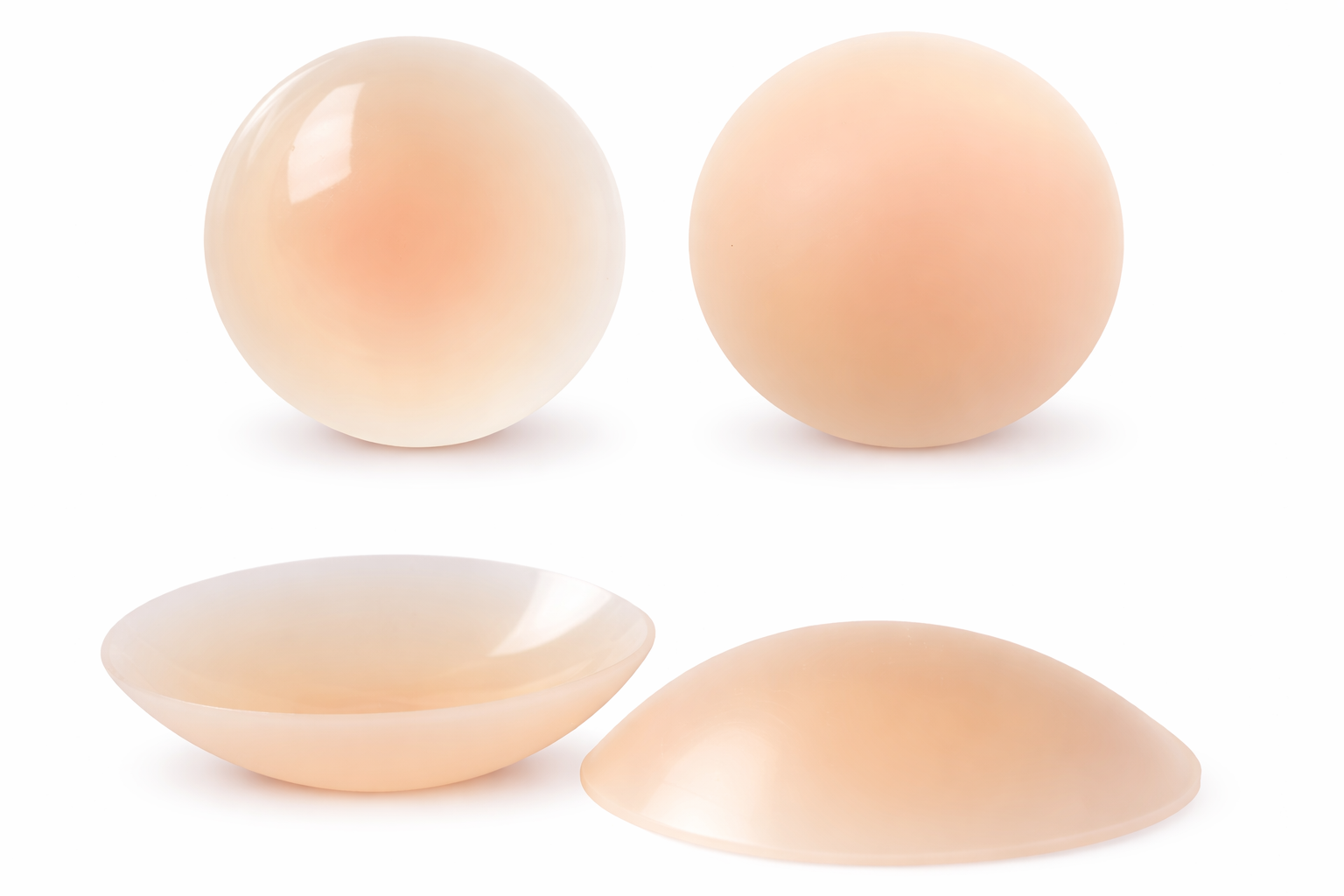
Silicone sticky bras typically last between 20–60 wears, depending on material quality, adhesive formulation, usage habits, and manufacturing standards.
The lifespan of a silicone sticky bra is not fixed by time alone. It is defined by engineering decisions made during production and how well post-use care aligns with those decisions.
What determines the lifespan of a silicone sticky bra?
Longevity is not random. It is engineered.
The lifespan depends on silicone grade, adhesive chemistry, coating thickness, and structural design.
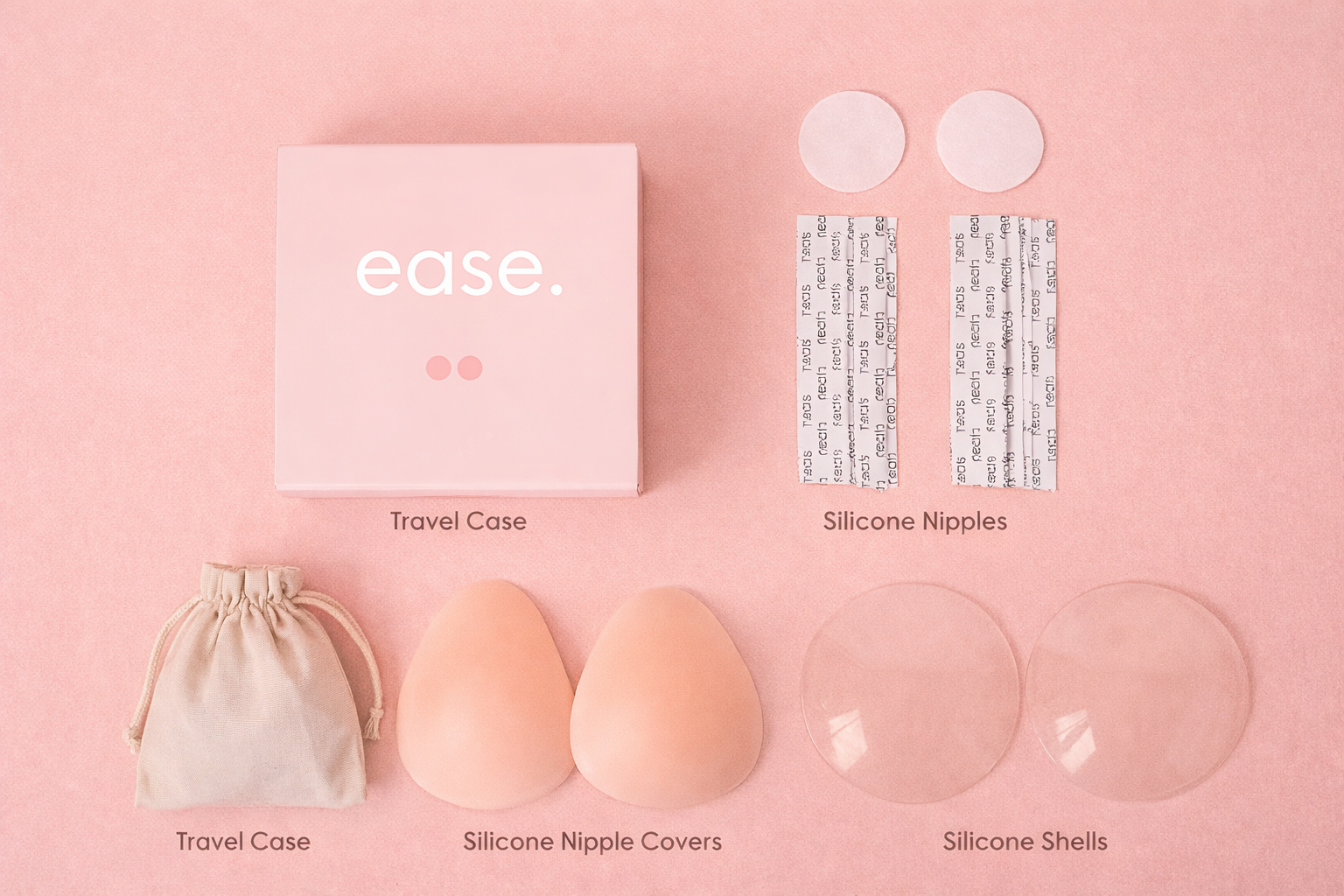
High-quality silicone sticky bras use platinum-cured silicone with stable elasticity and low oil migration. This type of silicone maintains surface smoothness and shape after repeated wear and washing. Inferior silicone stiffens or deforms, shortening usable life.
Adhesive formulation is equally critical. Washable pressure-sensitive adhesives are designed to release skin oils during cleaning and regain tackiness after drying. Poor adhesives lose polymer integrity quickly, leading to permanent stickiness loss.
Coating thickness also affects durability. Too thin, and the adhesive wears out quickly. Too thick, and it traps debris and degrades unevenly. Professional factories control coating thickness at micrometer levels using automated equipment.
Structural design, including edge tapering and thickness mapping, reduces stress concentration. Even stress distribution prevents premature peeling or edge failure, extending product lifespan.
How many times can a silicone sticky bra be reused?
Reuse limits vary widely across products.
Most well-made silicone sticky bras are designed for 30–50 reuses under normal conditions.
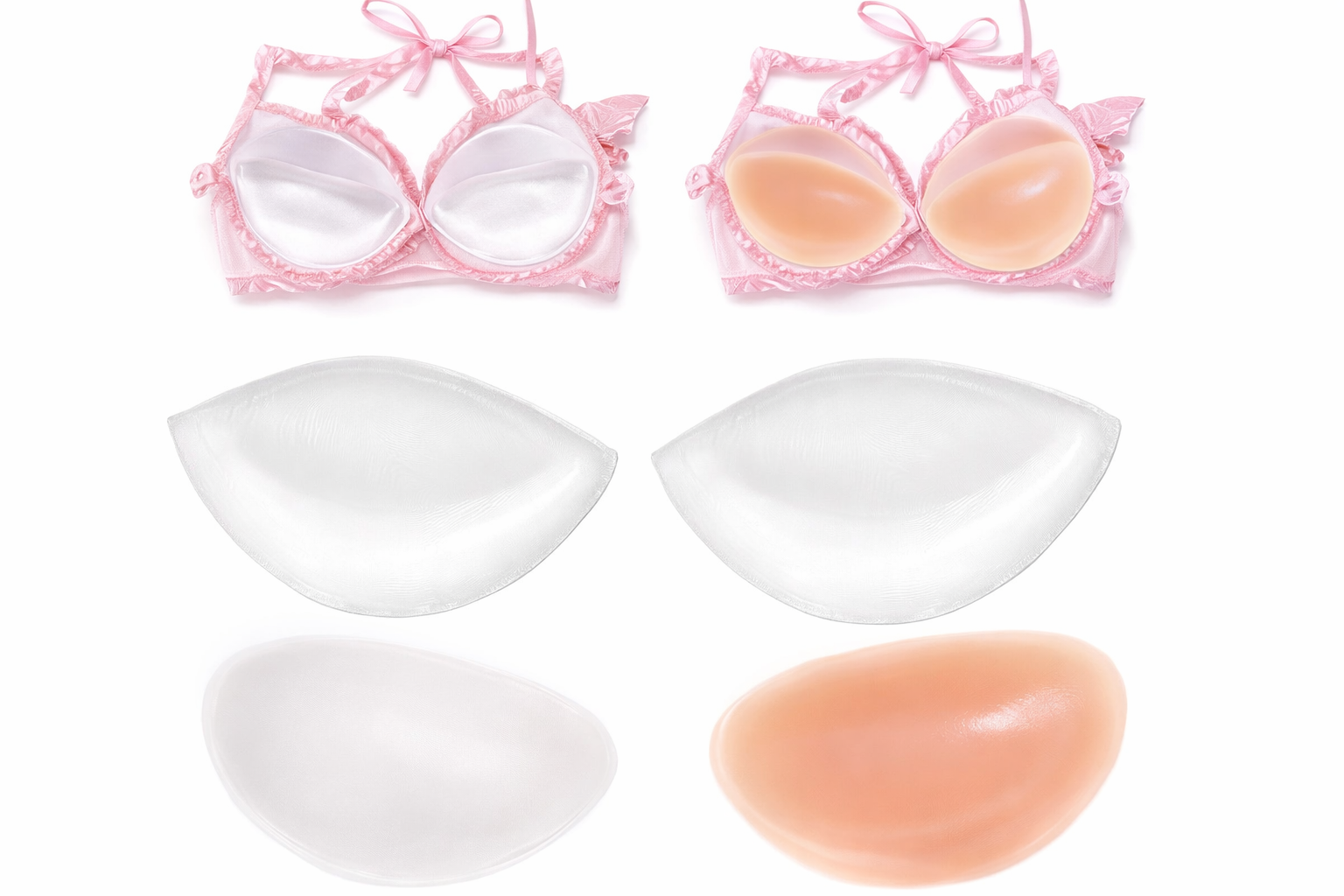
Reusability is tested during product development through simulated wear and wash cycles. Bras are applied, worn, removed, washed, air-dried, and reapplied repeatedly until adhesion performance drops below acceptable thresholds.
High-performance adhesives maintain stable peel strength across dozens of cycles. Adhesive recovery after washing is a key indicator of lifespan. Products that lose adhesion rapidly fail early-stage testing.
Silicone integrity also affects reuse. Stable silicone retains elasticity and surface smoothness, allowing adhesive to bond evenly after each cleaning. Degraded silicone creates micro-cracks that interfere with adhesion.
Factories with in-house testing facilities establish realistic reuse ratings rather than relying on marketing claims. This ensures that stated lifespan matches real-world performance.
Does washing and storage affect how long it lasts?
After-use care directly impacts durability.
Proper cleaning, air drying, and protected storage significantly extend the lifespan of silicone sticky bras.
Adhesive surfaces collect skin oils and dust after each use. If not removed, these contaminants block surface contact and reduce adhesion strength. Gentle rinsing with clean water or mild soap restores adhesive functionality.
Drying method matters. Pressure-sensitive adhesives recover best when air-dried naturally. Heat sources or sunlight degrade adhesive polymers and accelerate aging.
Protective release films prevent dust contamination during storage. Without them, adhesive surfaces accumulate particles that cannot be fully removed, shortening usable life.
Factories design adhesive systems assuming correct after-use care. When care aligns with design intent, adhesive recovery remains predictable across repeated cycles.
How do sweat and wear conditions affect lifespan?
Usage environment accelerates wear.
High heat, heavy perspiration, and extended wear reduce lifespan by accelerating adhesive fatigue.
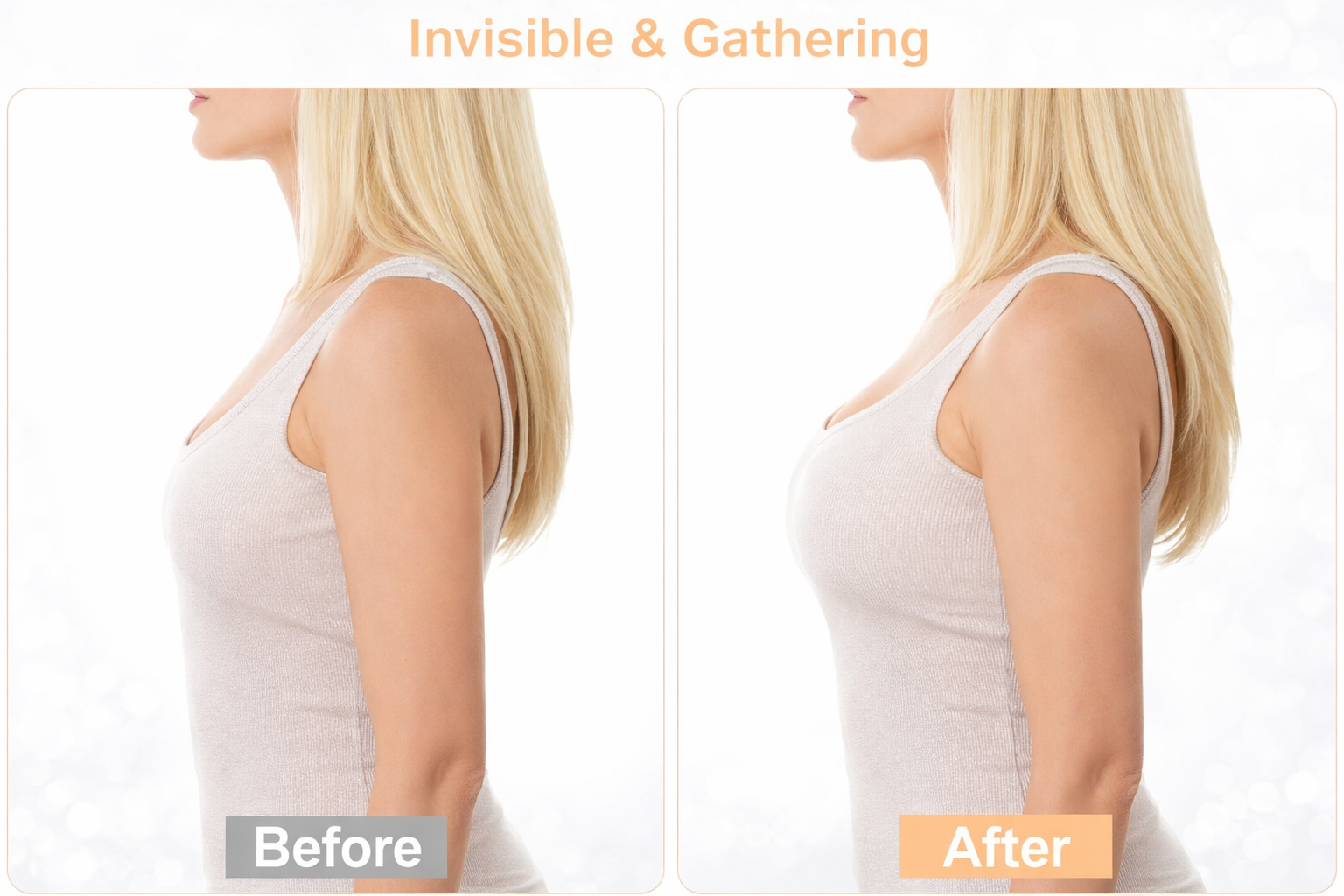
Adhesive polymers soften under body heat and moisture. While high-quality adhesives maintain elasticity, repeated exposure to sweat accelerates molecular breakdown.
During factory testing, products are exposed to simulated heat and humidity cycles. Adhesion loss is measured to determine realistic performance limits.
Extended wear beyond recommended durations increases adhesive stress. Continuous shear forces from movement stretch adhesive polymers, reducing recovery ability over time.
Engineering aims to balance comfort and durability, but extreme conditions shorten lifespan regardless of material quality. Silicone sticky bras are optimized for event-based or limited-duration wear rather than continuous daily use.
How does factory production quality influence durability?
Durability is built, not added later.
Precision molding, controlled curing, and automated adhesive coating ensure consistent lifespan across production batches.
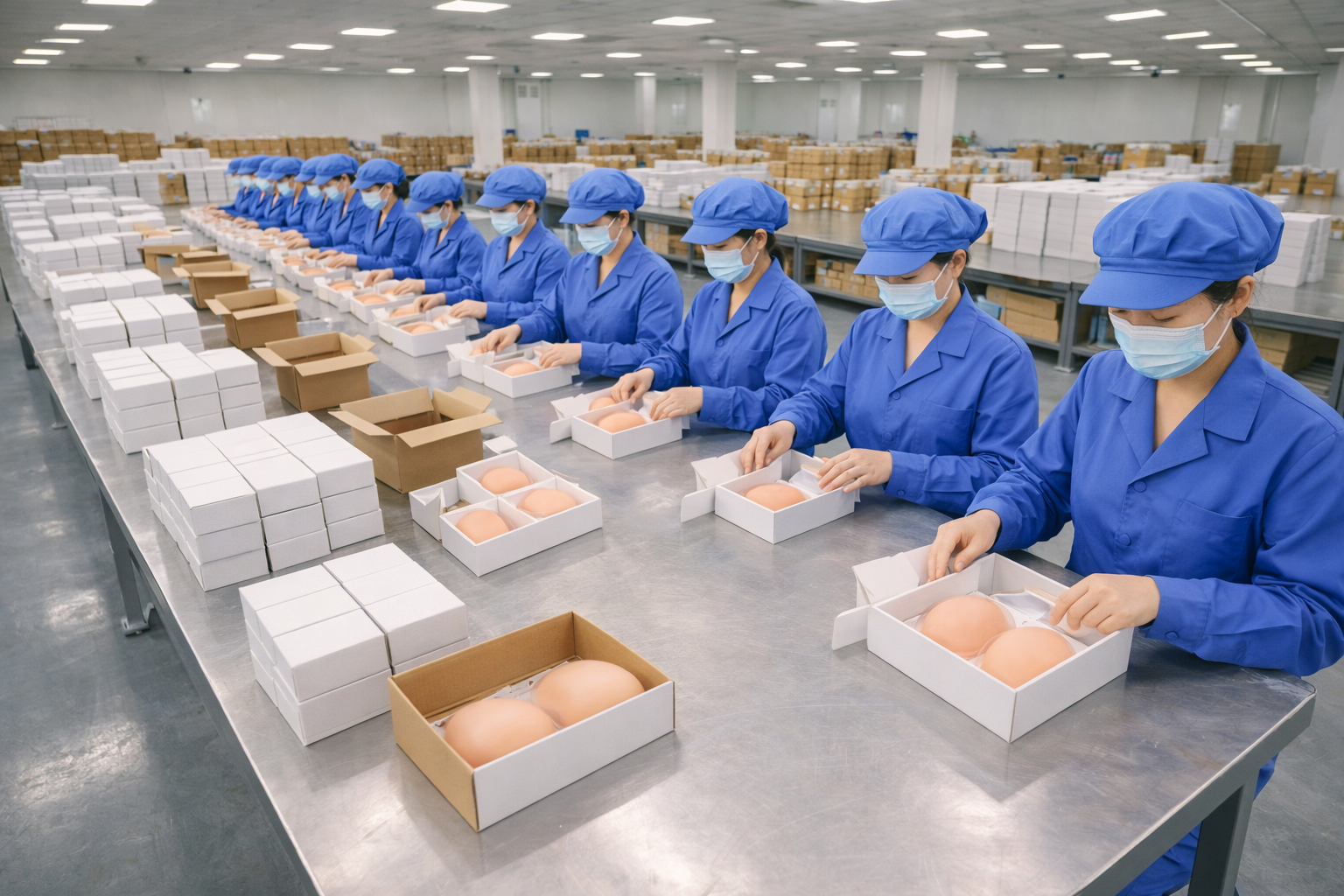
Factory workshops are divided into controlled zones for silicone preparation, molding, curing, adhesive coating, assembly, and inspection. Each stage influences durability.
Precision molds ensure even thickness, preventing stress concentration that leads to early tearing or peeling. Post-curing stabilizes silicone elasticity and removes residual compounds.
Adhesive coating lines rely on automation to maintain consistent layer thickness. Manual coating introduces variability that shortens lifespan.
Quality control includes peel strength testing, wash-cycle simulations, visual inspection, and odor evaluation. Products failing durability standards are removed before packaging.
In-house process control ensures that sample performance is replicated at scale.
Why do some silicone sticky bras last much longer than others?
Market differences reflect engineering depth.
Lifespan differences result from material grade, adhesive formulation, process discipline, and quality inspection standards.
Low-cost products often use generic silicone and adhesives with minimal testing. These products may feel sticky initially but degrade quickly.
Well-engineered silicone sticky bras balance material stability, adhesive recovery, and structural design. Traceable production records allow continuous improvement and consistency.
Factories with design and development capability adjust molds, adhesive properties, and curing parameters based on testing data rather than appearance alone.
Durability is the outcome of systematic engineering rather than surface-level features.
Conclusion
Silicone sticky bras typically last 20–60 wears when engineered and maintained correctly. Lifespan is determined by silicone quality, adhesive formulation, coating precision, and disciplined factory processes, as well as proper cleaning and storage. When production design and post-use care align, silicone sticky bras deliver consistent adhesion, stable shape, and reliable performance across repeated use, transforming them from disposable accessories into durable, functional wear solutions.
