
Silicone breast products are often associated with water resistance, but confusion remains about what “getting wet” actually means. Improper assumptions can lead to damage, reduced lifespan, or hygiene issues.
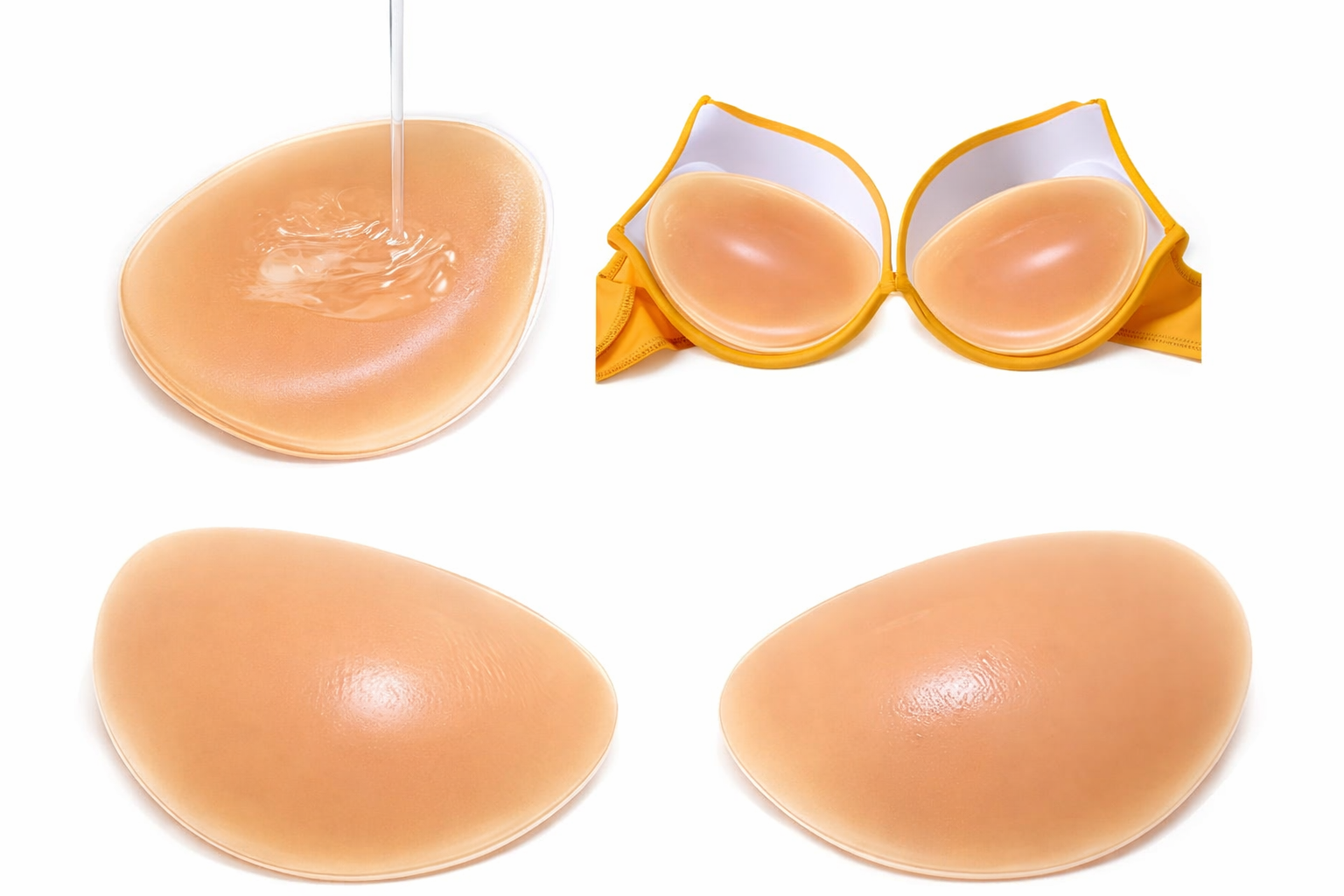
Yes, silicone breasts can get wet, but whether they can safely handle water depends on their design, adhesive system, and manufacturing process.
Silicone itself is water-resistant, but a silicone breast product is more than just raw material. Adhesive layers, surface finishing, and intended usage scenarios all determine how water exposure should be handled.
Is silicone material itself waterproof?
The base material defines water tolerance.
High-quality silicone is inherently waterproof and does not absorb water.
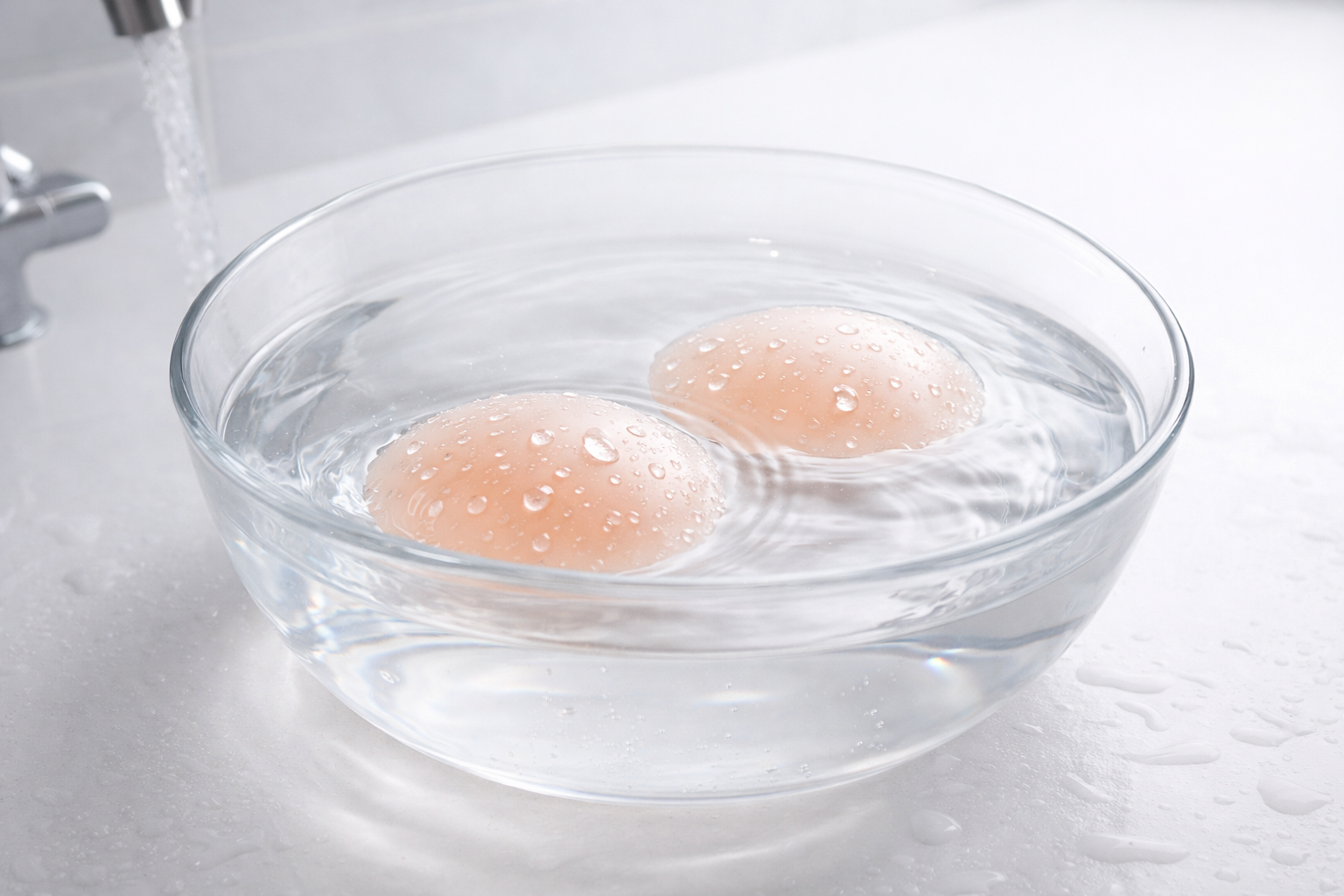
Medical-grade and high-purity silicone are non-porous materials. Water does not penetrate the silicone structure, which means the material itself will not swell, rot, or degrade when exposed to moisture.
This is why silicone is widely used in medical devices, kitchenware, and wearable products that require frequent cleaning. When properly cured, silicone maintains elasticity and softness even after repeated contact with water.
In manufacturing, silicone formulations are selected specifically for stability under washing and humidity exposure. Post-curing processes remove residual compounds and lock in material properties, ensuring that water contact does not affect performance.
From a material standpoint alone, getting silicone wet does not pose a problem.
Does water affect silicone breasts with adhesive backing?
Adhesive changes the equation.
Silicone breasts with adhesive backing can get wet, but water temporarily weakens adhesion and affects stability.
Adhesive-backed silicone breasts rely on pressure-sensitive adhesives designed for dry skin contact. When water is introduced, it forms a barrier between adhesive and skin, reducing friction and bonding strength.
Brief rinsing for cleaning is expected and accounted for during product development. Adhesives are formulated to release oils when washed and recover tackiness after air drying.
However, prolonged water exposure, submersion, or continuous water flow introduces stress beyond normal design parameters. Chlorine, saltwater, and soap residues further accelerate adhesive fatigue.
Factories test adhesive recovery after controlled washing, not after swimming or soaking. While getting wet during cleaning is safe, using adhesive silicone breasts in water-based activities is outside intended use.
Can silicone breasts be washed safely?
Cleaning is part of normal maintenance.
Silicone breasts can be safely washed with clean water and mild soap when required.
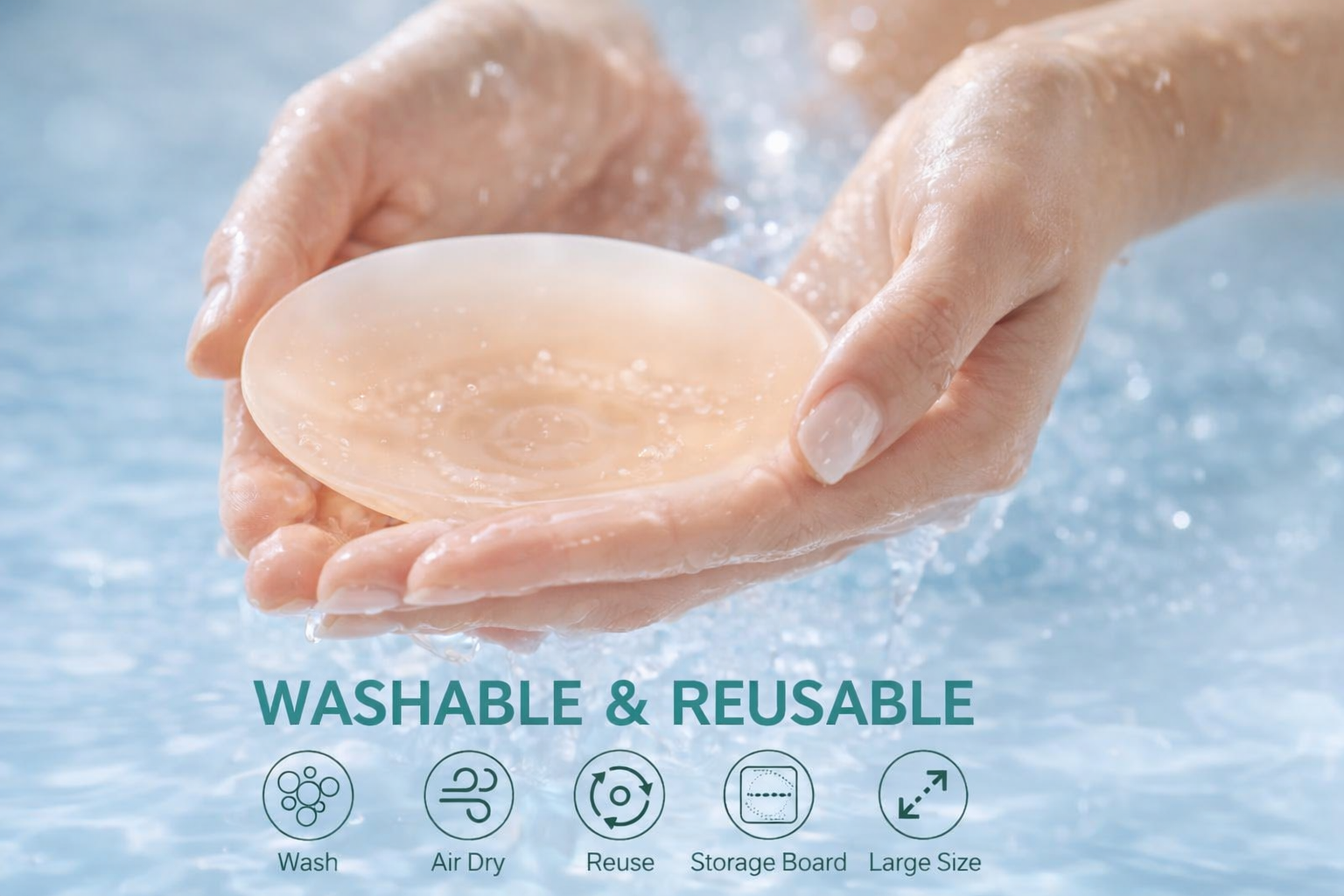
Washing removes skin oils, sweat, and debris that accumulate during wear. These contaminants reduce comfort and, in adhesive products, block surface contact.
Professional silicone breast products are designed to withstand gentle washing. Clean water or mild, skin-safe soap is sufficient. Harsh detergents, alcohol, or solvents should be avoided, as they degrade adhesive layers and surface finishes.
After washing, air drying is essential. Pressure-sensitive adhesives recover tackiness only after moisture evaporates naturally. Heat sources and direct sunlight accelerate aging and should be avoided.
Manufacturers validate washing behavior during development through repeated wash-and-dry simulations. Products that fail to recover shape or adhesion are rejected before mass production.
What about rain, sweat, or accidental splashes?
Light moisture differs from immersion.
Rain, sweat, and brief splashes generally do not damage silicone breasts, but stability may decrease temporarily.
Silicone material tolerates sweat and light moisture without issue. Adhesive performance may fluctuate slightly as moisture builds up between skin and adhesive surfaces.
High-quality adhesives are formulated to maintain elasticity rather than becoming slippery under moderate moisture. This allows the product to move with the body instead of peeling away.
In factory testing, humidity and sweat simulations are standard. These tests help define realistic wear limits and ensure predictable performance under daily conditions.
Once moisture evaporates and the product is cleaned properly, performance typically returns to normal, assuming exposure remained within intended limits.
How do factory processes ensure water tolerance?
Water resistance is engineered.
Material selection, curing control, and surface finishing determine how silicone breasts respond to water exposure.
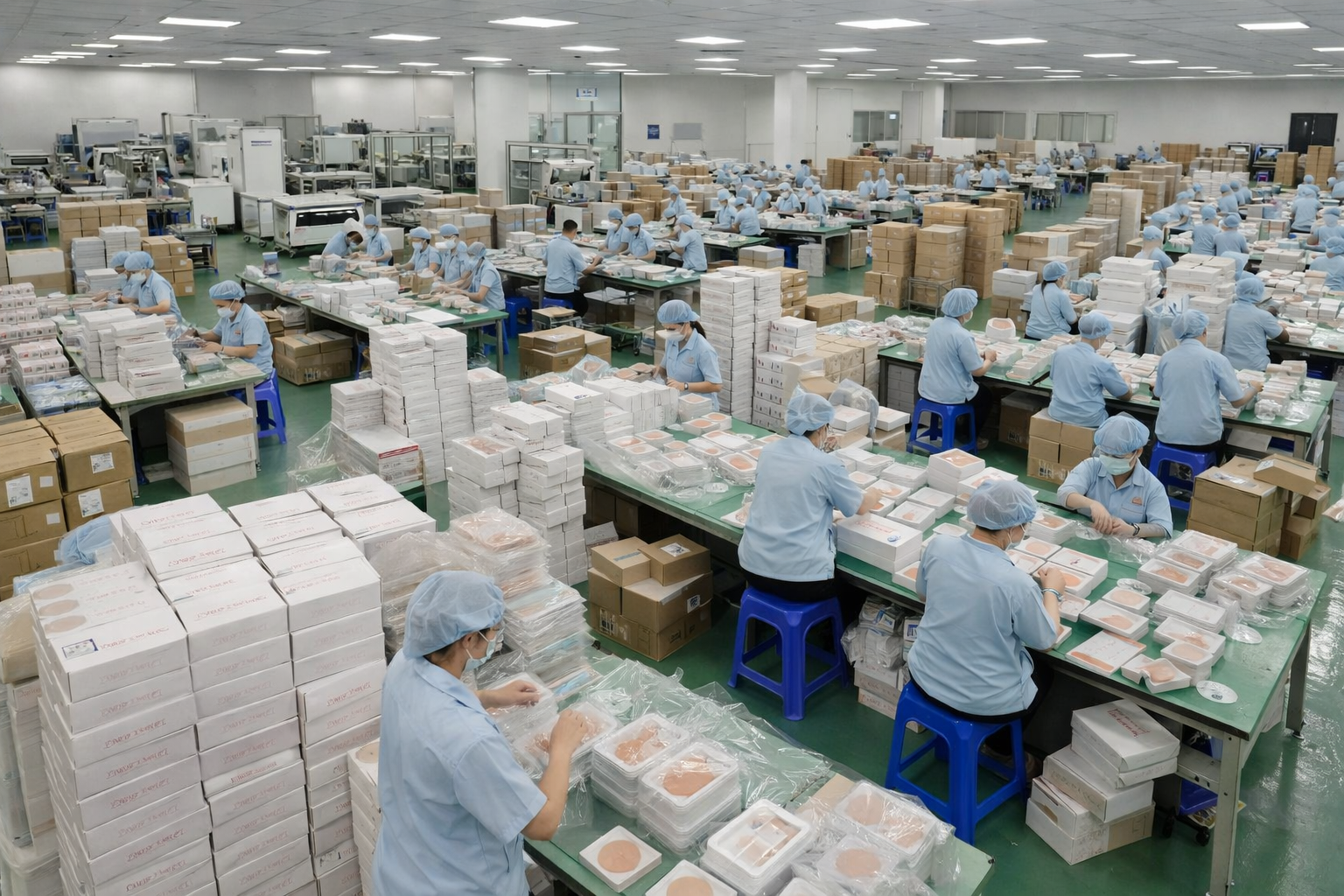
Manufacturing workshops separate silicone preparation, molding, curing, adhesive application, and inspection into controlled zones. Each step affects how the final product behaves when wet.
Proper curing ensures silicone remains stable and odor-free after washing. Surface finishing creates smooth textures that resist residue buildup and simplify cleaning.
Adhesive bonding methods are optimized for wash recovery. Automated coating systems control thickness precisely, ensuring predictable behavior after water contact.
Quality inspection includes wash tests, visual checks, adhesion recovery evaluation, and odor assessment. These controls ensure that water exposure during cleaning does not compromise performance.
Are silicone breasts suitable for swimming or bathing?
Use scenarios matter.
Silicone breasts are not designed for swimming or bathing when adhesive is involved.

While silicone itself is waterproof, adhesive systems are not engineered for full submersion, buoyancy forces, or water flow.
Swimming introduces continuous shear forces, chemical exposure, and pressure changes that exceed design limits. Even if the product stays in place briefly, adhesion degradation is likely.
Factories define intended use during product development. Silicone breasts are designed for wear under clothing, cleaning with water, and controlled reuse — not aquatic activity.
Using products outside their engineered purpose leads to premature failure that is often mistaken for quality defects.
Conclusion
Silicone breasts can get wet without damaging the silicone material itself. Washing, rain, sweat, and brief moisture exposure are safe when handled correctly. However, products with adhesive backing are not designed for swimming or prolonged water immersion. Water tolerance is determined by silicone quality, adhesive formulation, and disciplined factory processes. When water exposure aligns with intended use and proper care, silicone breast products remain stable, hygienic, and reliable over repeated use.
