
Loss of stickiness is the most common complaint with silicone bras. In most cases, the adhesive has not failed permanently; it has been weakened by oil buildup, incorrect care, or misuse outside its design limits.
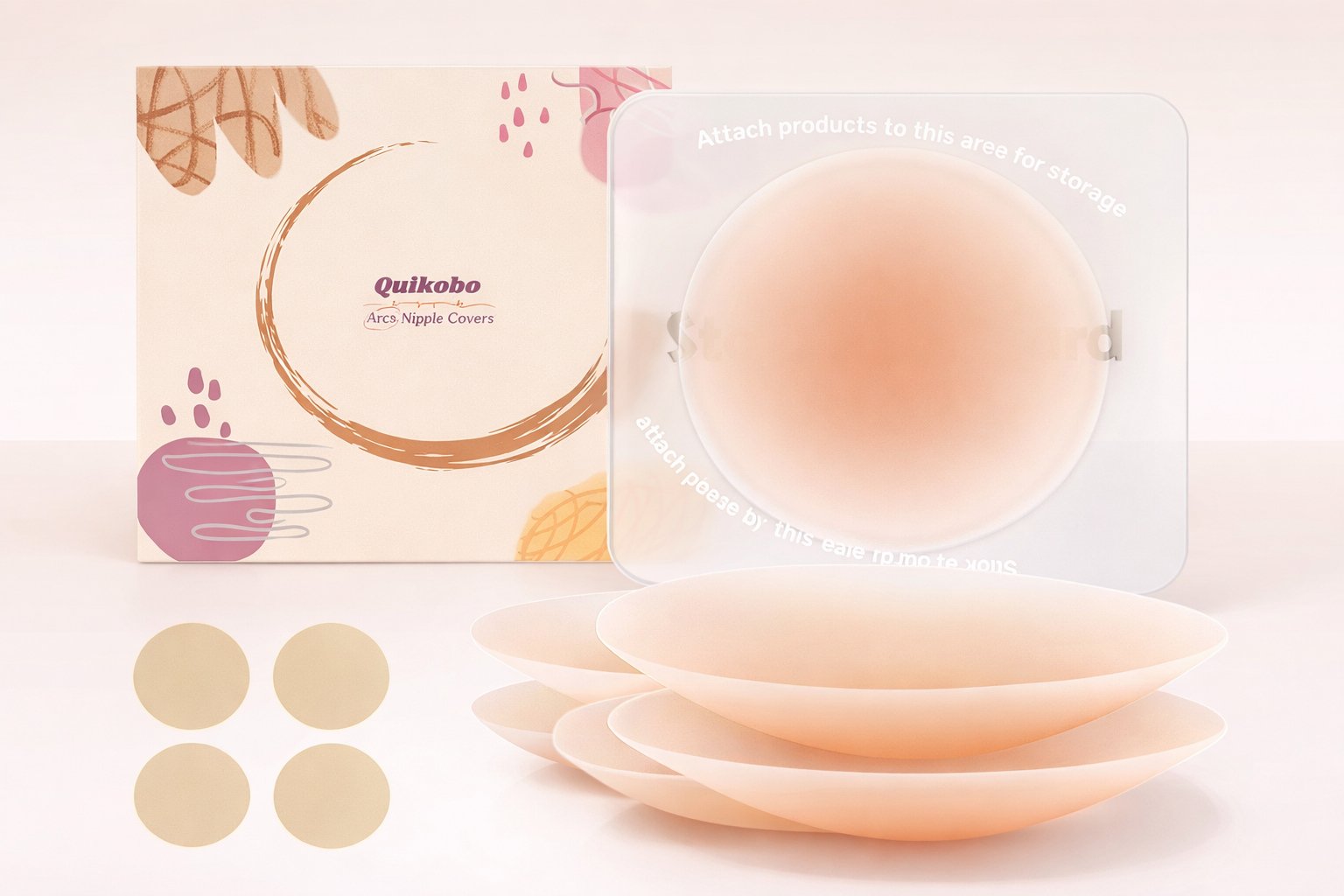
A silicone bra becomes more sticky again when adhesive surfaces are properly cleaned, fully air-dried, protected from contamination, and used within engineered wear conditions.
Stickiness is not a surface trick. It is a performance feature engineered through adhesive chemistry, silicone surface quality, and factory-controlled processes. Restoring stickiness requires aligning use and care with how the product was designed to function.
Why does a silicone bra lose stickiness?
Most adhesion problems have clear causes.
Stickiness decreases mainly due to skin oil buildup, dust contamination, moisture residue, or adhesive fatigue from overuse.
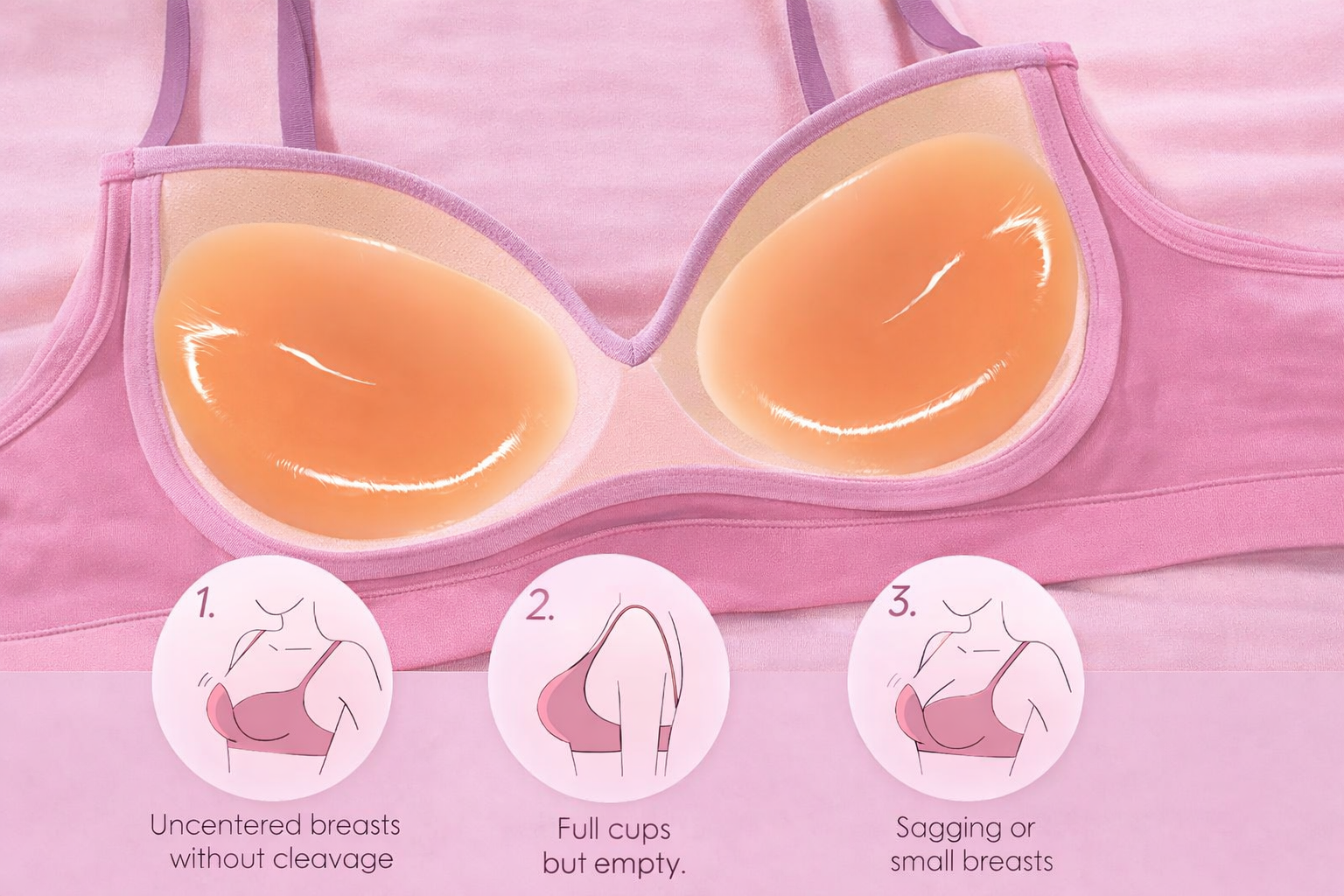
Pressure-sensitive adhesive works by making direct surface contact with clean, dry skin. After wear, the adhesive surface accumulates natural skin oils, sweat, and microscopic debris. These substances block contact and reduce friction, which feels like lost stickiness.
Another common issue is improper drying. Adhesive polymers recover tackiness only after moisture evaporates fully. If the bra is stored while still damp, adhesion weakens and contamination increases.
From a manufacturing perspective, adhesive lifespan is tested under the assumption of correct cleaning and drying. Adhesive systems are designed to recover repeatedly, but only when contaminants are removed properly.
Overuse beyond recommended wear hours also contributes to adhesive fatigue. Continuous shear stress from movement stretches adhesive polymers and reduces recovery ability over time.
How should a silicone bra be cleaned to restore stickiness?
Cleaning is the most effective recovery step.
Gentle washing with clean water and mild soap removes oils and restores adhesive surface contact.
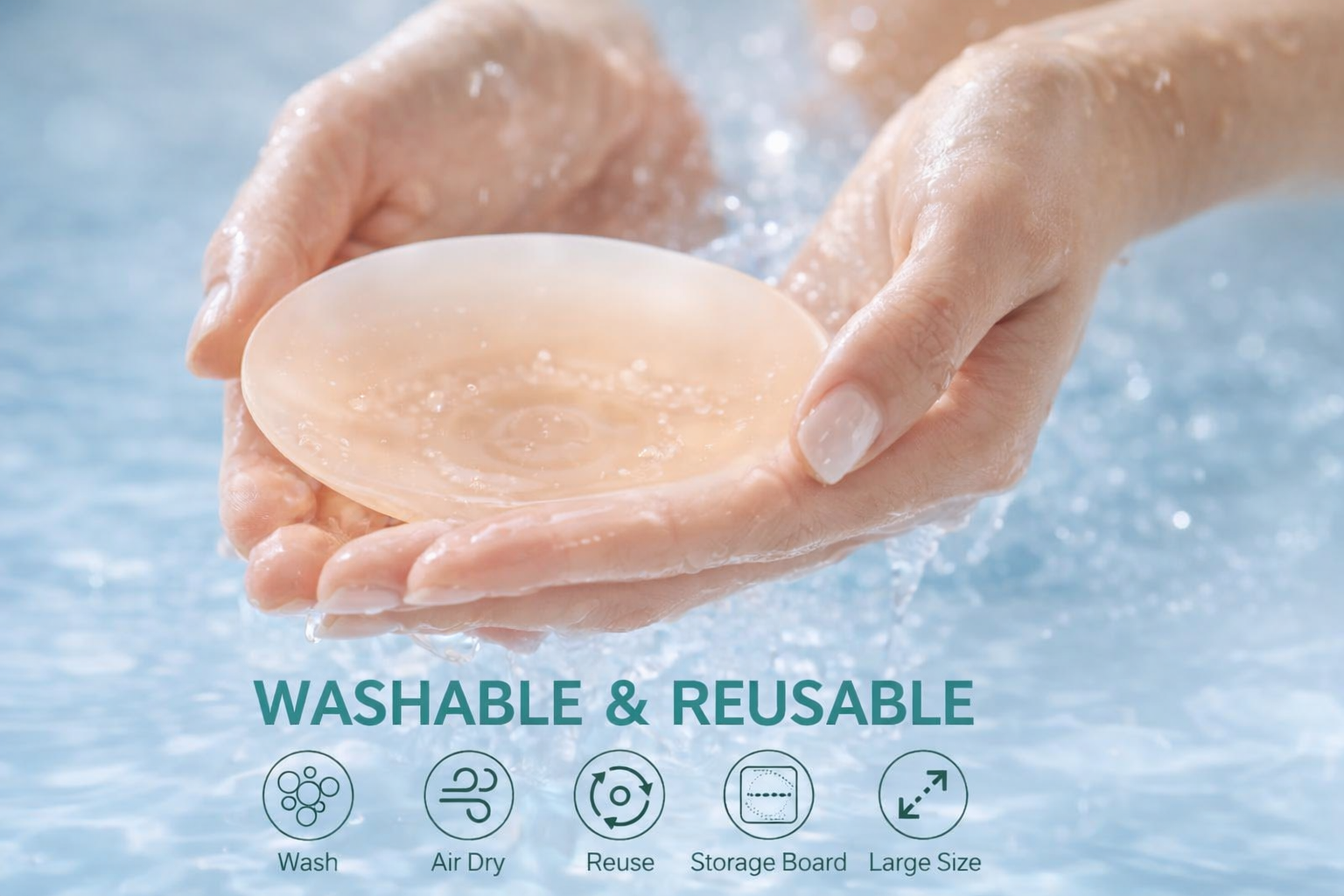
After each use, the adhesive surface should be rinsed with clean water. If oil buildup is noticeable, a small amount of mild, skin-safe soap can be used. This breaks down oils without damaging adhesive polymers.
Harsh detergents, alcohol, solvents, or antibacterial cleaners should be avoided. These substances strip plasticizers from the adhesive layer and cause permanent tack loss.
Mechanical force should be minimal. Rubbing, brushing, or squeezing the adhesive damages surface structure and creates uneven adhesion zones.
In factory testing, wash-and-recovery cycles are a key performance metric. Adhesives that fail to regain tackiness after proper washing are rejected during development. Correct cleaning restores performance only when adhesive chemistry is preserved.
Why is air drying critical for stickiness recovery?
Drying method determines adhesive recovery.
A silicone bra must be air-dried naturally with the adhesive side facing up to regain full tackiness.
Pressure-sensitive adhesives regain stickiness as water evaporates and polymer chains return to their original configuration. Heat sources such as hair dryers, radiators, or sunlight force uneven evaporation and degrade adhesive structure.
Air drying at room temperature allows uniform recovery across the adhesive surface. Placing the adhesive side upward prevents dust and fibers from settling during drying.
Manufacturers test adhesive recovery under controlled room conditions. These conditions define the performance limits stated for reusability and lifespan.
Incomplete drying is one of the most overlooked reasons silicone bras feel permanently less sticky. Moisture trapped in the adhesive layer reduces surface contact even if the surface appears dry.
How does storage affect how sticky a silicone bra remains?
Storage protects recovered adhesion.
Proper storage prevents dust, fibers, and oxidation from reducing stickiness after cleaning.
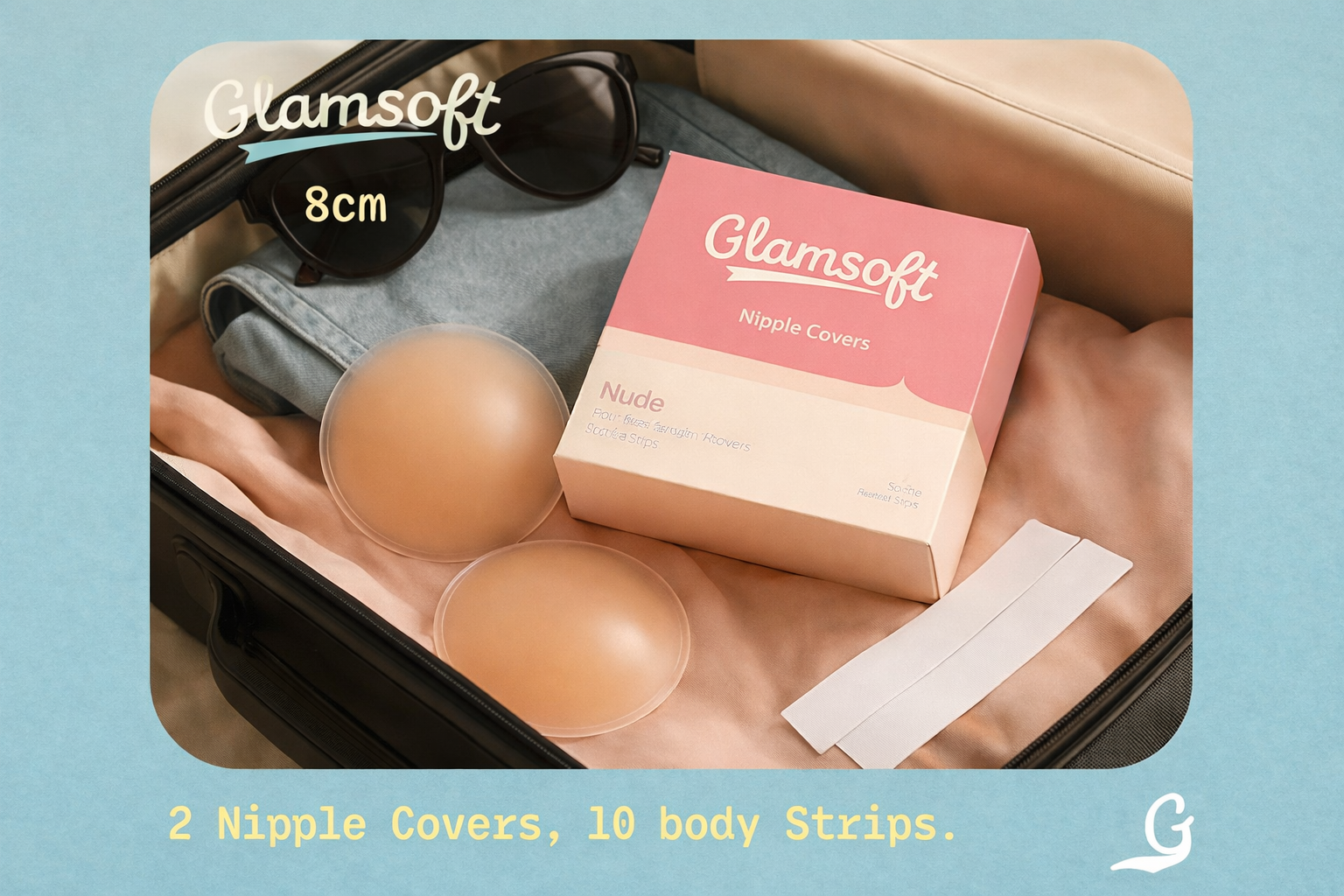
After drying, the adhesive surface should be covered with the original protective release film. This film is engineered to preserve tackiness by preventing contamination and oxidation.
Without protection, adhesive surfaces attract airborne dust and lint. These particles embed into the adhesive and cannot be fully removed during washing, permanently reducing stickiness.
Storage position also matters. Folding or compressing the cups introduces creases that disrupt adhesive contact zones. Flat storage or shaped cases preserve surface integrity.
Factories store finished products under controlled temperature and humidity to maintain adhesive stability before shipment. Similar conditions during long-term storage help maintain factory-level performance.
Can external products make a silicone bra stickier?
Short-term fixes often cause long-term damage.
External adhesives, sprays, or tapes are not recommended and often reduce long-term performance.
Some attempt to restore stickiness using glue sprays, double-sided tapes, or cosmetic adhesives. These products are not designed to bond with silicone surfaces and often leave residues that block original adhesive function.
Residues are difficult to remove and contaminate the adhesive layer permanently. Mixing adhesive systems also increases skin irritation risk and shortens product lifespan.
From a manufacturing standpoint, adhesive systems are designed as closed systems. Introducing foreign substances disrupts polymer balance and invalidates recovery behavior tested during development.
True stickiness recovery comes from restoring the original adhesive surface, not adding layers on top of it.
How do factory processes determine long-term stickiness?
Stickiness is engineered before use.
Material selection, adhesive formulation, curing control, and coating precision define how well stickiness can be restored.
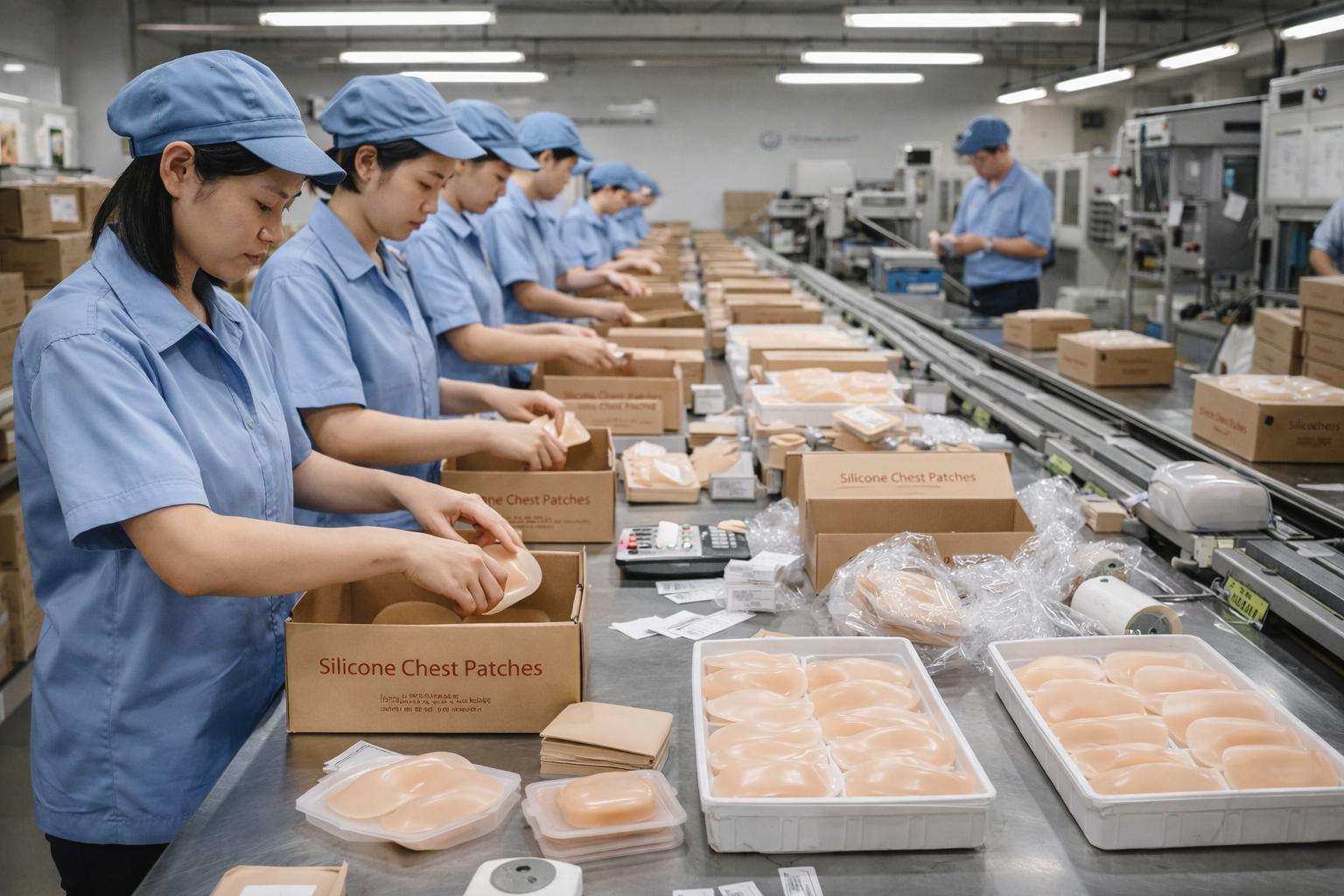
Factories select washable pressure-sensitive adhesives specifically for reusable silicone bras. These adhesives are formulated to release oils during washing and recover tackiness after drying.
Automated coating systems control adhesive thickness at micrometer levels. Uniform thickness ensures even recovery and prevents weak adhesion zones.
Curing and aging processes stabilize adhesive chemistry before assembly. Improper curing leads to rapid degradation and poor recovery.
Quality inspection includes wash-cycle simulations, peel strength testing, visual inspection, and contamination checks. Products that cannot recover adhesion consistently are removed before packaging.
This manufacturing discipline determines whether a silicone bra can regain stickiness repeatedly or only perform briefly.
Conclusion
Making a silicone bra more sticky is not about adding products or increasing pressure. It requires proper cleaning, complete air drying, protective storage, and use within engineered limits. Stickiness is a recoverable performance feature when adhesive chemistry and silicone surface integrity are respected. Products manufactured with high-grade materials, controlled adhesive coating, and disciplined factory processes are designed to regain tackiness repeatedly, delivering stable adhesion and long-term reliability rather than one-time use convenience.
